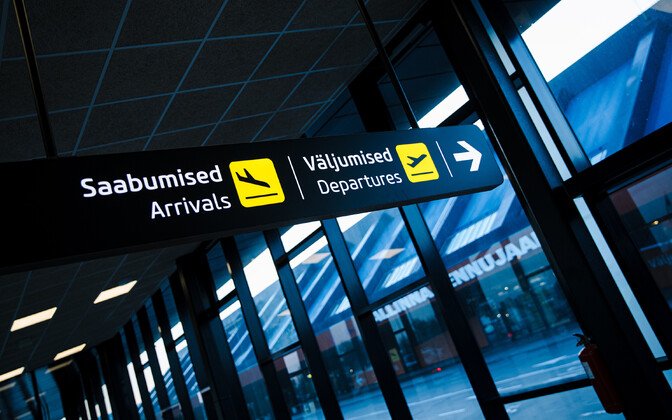
Estonia and 10 European countries are pushing for the European Union to reduce Russian access to the Schengen Area ahead of the upcoming summer.
Politico Europe cites a joint letter from nine EU members, as well as non-members Norway and Iceland, which it sums up as: “Russians shouldn’t be sunning themselves on European beaches while Ukrainians are dying.”
EU data shows that the number of visas issued to Russians has been increasing, despite the war on Ukraine, and rose 8 percent in 2025 to 623,451. France issued the most Schengen visas to Russians in 2025, followed by Italy and Spain.
The letter was initiated by Sweden and sent to EU foreign policy chief Kaja Kallas and Migration Commissioner Magnus Brunner ahead of Thursday’s Justice and Home Affairs Council. It calls for a tightening of the visa policy for Russians.
The appeal has been backed by EU foreign and interior ministers from Estonia, Latvia, Lithuania, Czech Republic, Denmark, Finland, the Netherlands, and Poland.
Letter from proposing new measures to limit EU tourist visas for Russian citizens pic.twitter.com/iFuOYKhqwx
— Sweden in EU (@SwedeninEU) June 4, 2026
The ministers argue implementation of EU guidance is patchy, allowing Russians to go “visa shopping,” Politico Europe reported.
In a statement before the meeting, Minister of the Interior Igor Taro (Eesti 200) said Estonia has already stopped issuing visas to Russian citizens.
However, this is still not enough because other member states continue to keep their shops and beaches open to them.
“Such easy travel opportunities create significant security risks. Not to mention that citizens of an aggressor state, more broadly, should not have access to benefits that they cannot enjoy at home because of their country’s crimes. In short, the Schengen door needs to be closed more tightly,” Taro said.
Russian soldier ban

The signatories also supported Estonia’s proposed visa ban for Russians who have fought in Ukraine.
Taro said he would raise the issue again with his counterparts at Thursday’s meeting.
“Closing the Schengen Area to Russian military personnel who fought in Ukraine is in the interest of all our security,” he said, adding that Estonia has already banned 2,000 former combatants.
“We are cooperating with Ukraine’s security agencies on this, and I once again call on all colleagues to act together in this matter,” Taro said.
—
Follow ERR News on Facebook and Twitter and never miss an update!