Consumers in Panama will face the Black Fridayscheduled for Friday, November 27, 2026, under a double risk in electronic commerce: the use of artificial intelligence (AI) generative to clone legitimate businesses and the absence in Panamanian legislation of a general right of withdrawal that allows you to cancel online purchases after changing your mind.
An analysis by the firm EY Central America, for Panama and the Dominican Republic, warns that the AI allows scammers to design pages Fake websites, personalized messages and automated responses that precisely imitate the visual identity and customer service of recognized brands. According to the report World Economic Forum (WEF) Global Cybersecurity Outlook 202673% of executives and experts surveyed were impacted by cyber fraud during 2025.
“The sophistication of these tools changes the way we should approach digital security. A promotion can appear authentic, use the image of a recognized brand and even offer a seemingly legitimate customer experience”he explained Waldim Rossalsenior Supply Chain consultant at EY Central America, Panama and the Dominican Republic. The specialist pointed out that AI does not create a new crime, but rather makes traditional scams more credible and scalable.
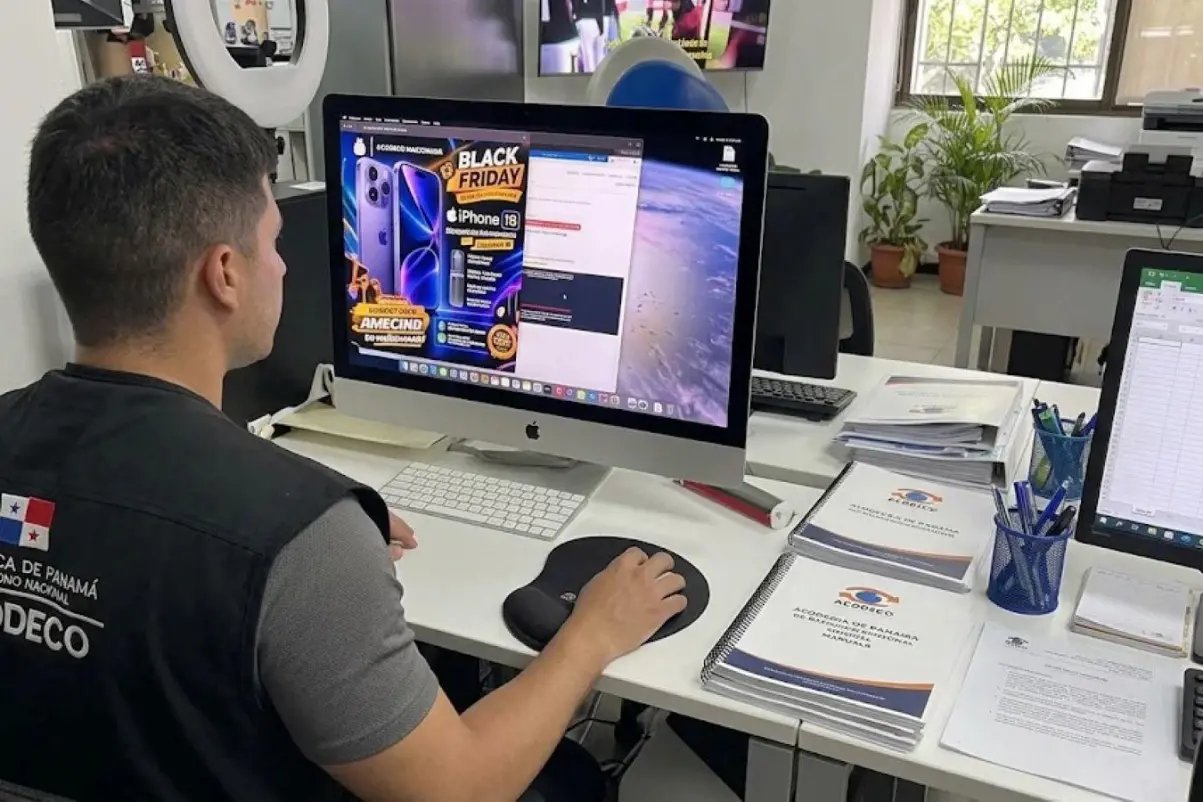
In parallel, the Authority for Consumer Protection and Defense of Competition (Acodeco) He recalled that suppliers in the country must comply with Law 45 of 2007, which sanctions misleading advertising and requires them to respect the conditions offered. However, the entity warned that in Panama there is no rule that allows the buyer to cancel any digital transaction due to simple regret, which limits return options when the trade is legitimate but the customer abandons the purchase.
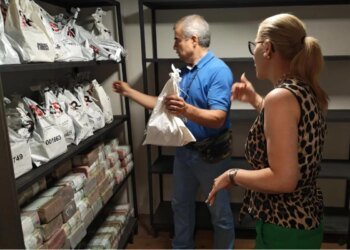
This scenario becomes relevant given the background of the Black Friday 2025 in the country. During this operation, Acodeco inspected 373 establishments nationwide and detected 58 commercial irregularities. The main failure was omitting the duration date of the offers, with 42 cases registered, followed by the absence of visible prices in 13 stores, in addition to non-compliance in the marking of the double price (before and after), stock limits and confusing advertising.
Other violations detected:
4 expired products.
3 offers without indicating the stock limit.
2 shops without double prices (before and after).
2 cases of confusing advertising.
1 direct breach of advertising.
1 case for applying double price and discount percentage without clarity.
When it comes to informal sellers or fraudulent social media sites, the margin of institutional action is reduced even further. Acodeco recommended checking before paying if the supplier has a physical address or legal representative in Panamanian territory, in addition to verify that the portal uses secure connection protocols (https://).
To reduce exposure to fraud during the Black Fridayhe Cyber Monday and the end of year partiesboth EY and Acodeco agree on the need to verify the authenticity of offers before transferring funds or providing financial data. Rossal advised to be wary of web domains with slight alterations to the official name, disproportionate discounts, messages that pressure you to pay immediately and requests for transfers to private bank accounts.
The consultant recommended entering directly the official applications or websites of the businesses, without using links received through messages or advertisements, and activating multi-factor authentication in payment methods. He also asked to avoid transactions from public Wi-Fi networks and to refrain from sharing passwords, personal identification numbers (PIN) or verification codes.
For its part, Acodeco urged buyers to compare previous and current prices to confirm if the discount is real, review additional shipping costs and keep screenshots of advertising, conversations, invoices and proof of payment. These documents constitute the necessary support to submit claims through the Acodeco App mobile application in case of non-compliance or damage.
If a user suspects that they have provided financial data on a fraudulent portal, Rossal indicated that they must suspend communication, change their access codes and immediately contact their bank to block the compromised cards or accounts, in addition to reporting the fact to the competent authorities.