San Pedro Sula, Honduras
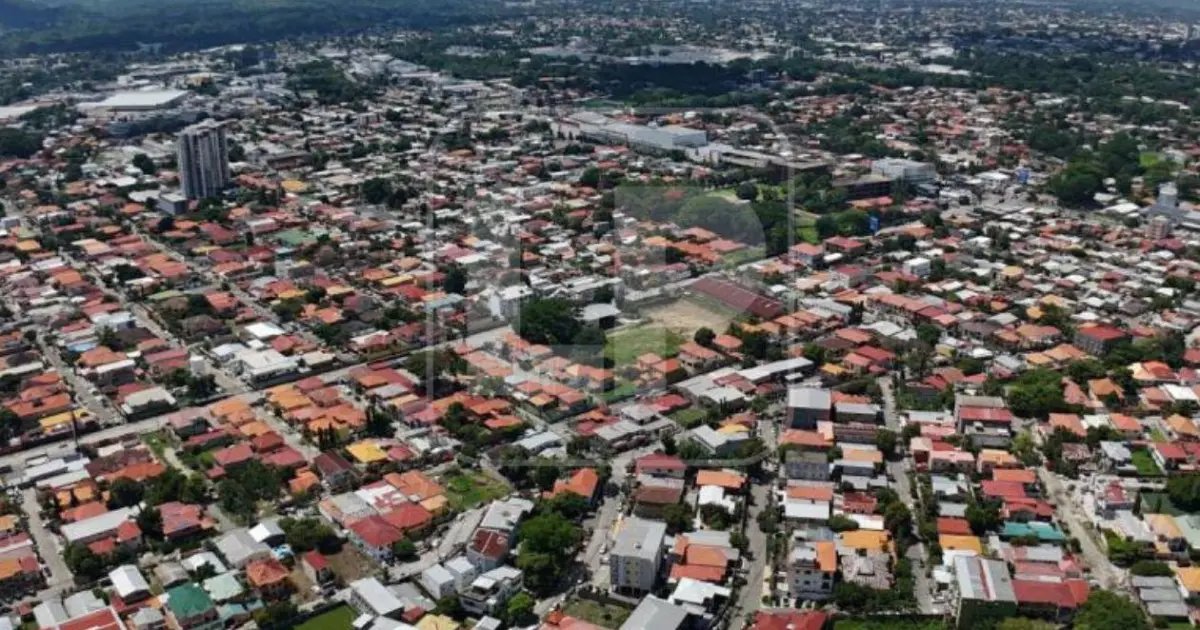
San Pedro Sula, more than being the second most populated city with about 900,000 inhabitants, continues to be a economic hub of Honduras in constant growth thanks to the dynamism of men and women who wake up every day with a positive attitude.
This Saturday, June 27, the city celebrates 490 years of foundationbetween challenges and positive advances.
This nerve center of Sula Valleywith a population close to 2,000,000 people, continues to bring and house companies of different lines, schools and colleges and hundreds of thousands of businesses started by people of all ages, mainly young people.
In 2026, the city has more than 10 universities; among them, the Unah-vs, Technological University of Honduras (UTH), Unitec, Usap and Ucenm, which total around 25,000 students enrolled in engineering, business, technology and health sciences and other careers.
The graduates of these universities, for the most part, are actors in the development of hundreds of companies that produce items for national consumption or for export or offer services or are part of the logistics sector.
After the pandemic there has been a notable resurgence in San Pedro Sula in the vertical construction sectorl; That is, a new real estate boom with dozens of tall buildings under construction or in the planning phase that confirms that this city continues to be an attractive place for capital and people.
95% of the population of the municipality of San Pedro Sula lives in the urban area, while only 5% in the rural area. 53% are made up of the female sex, a smaller percentage, 47%, of the male sex.
According to the Directory of Economic Establishments 2024, published by INE in January 2026, that year the department of Cortés had 44,367 establishments. Of those, 19,533 were from San Pedro Sula.
In San Pedro Sula, the population has an average of 9.8 years of education. Men are on average 10 years old and women are 9.7 years old. In the country, the average is 8.2 years of schooling (INE, 2025).