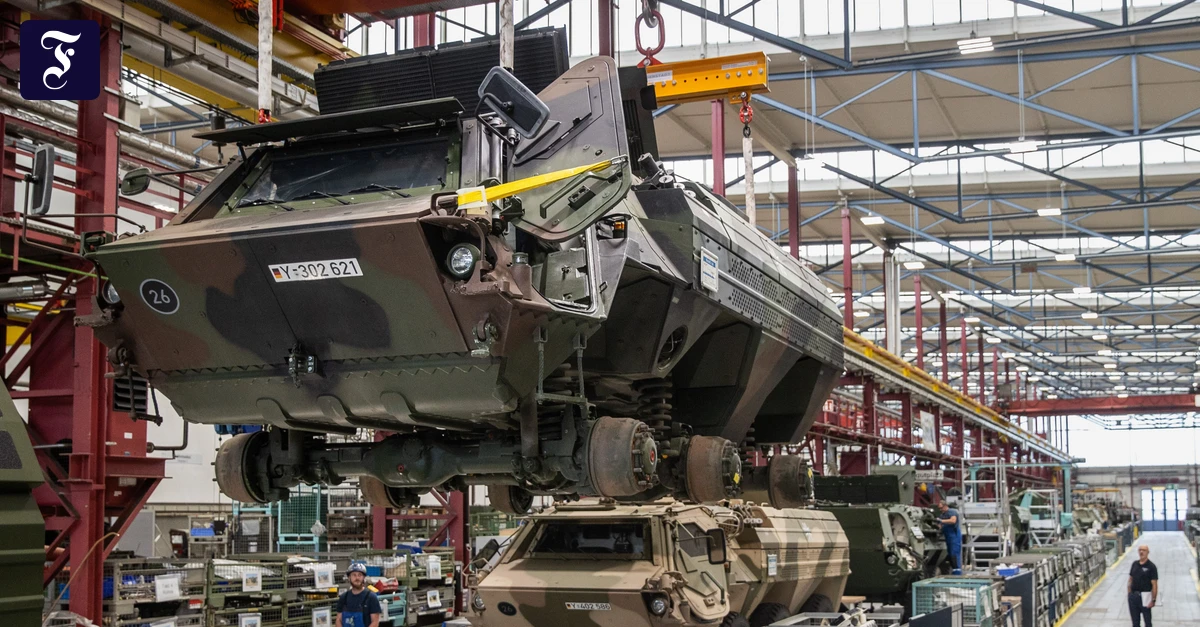
Also Rheinmetall cannot fulfill all hopes. On Tuesday, Germany’s largest defense company reported that sales in the first quarter rose by 7.7 percent to 1.94 billion euros. However, market expectations were 2.3 billion euros. The explanation that the delta was primarily due to timing effects in deliveries, combined with the commitment to pick up speed, immediately reassured investors. At midday, Rheinmetall shares were at the top of the Dax with a gain of a good four percent. The fact that Rheinmetall now has an order backlog of 73 billion euros is seen more as a sign of a rosy future than as a risk in terms of customer satisfaction.
There is no question: the high billions invested in defense equipment in the coming years will continue to arouse great desire on the financial markets. Germany in particular, which will invest around 150 billion euros in upgrading its armed forces in the coming years, is becoming the focus of investors. Individual quarters in which expectations are missed are not a problem.
Investors want to see substance
“Nothing has fundamentally changed,” says Oliver Seiler, capital markets partner at the firm Latham & Watkins in Frankfurt, which also supplies the tank transmission specialist Renk Stock market accompanied. “Foreign and increasingly German investors continue to have great interest in possible IPOs of German defense companies.” However, the view has become more precise, reports Seiler. “Investors want to see the substance of the companies.”
Current figures confirm this trend. Whether it’s about the cumulative market value, start-up financing, takeovers or IPOs: the defense industry plays a role Europe a special role. The investment bank Houlihan Lokey counts 133 mergers and acquisitions involving European military companies in the period from January 2025 to the beginning of April. According to calculations by industry experts, the amount of risk capital provided has risen sharply. European start-ups from the sector raised 7.4 billion euros last year, a good half more than the year before. More than 200 investors were active in this segment in 2025.
With the Russian invasion of Ukraine, Europe is more threatened than ever since the end of the Cold War; In addition, European NATO partners have doubted American loyalty in the alliance since Donald Trump’s re-election as US President. The European industry index Stoxx Europe Total Market Aerospace & Defense Index has increased more than threefold within five years. In a weak environment for IPOs, armaments have recently established themselves as an important driver.
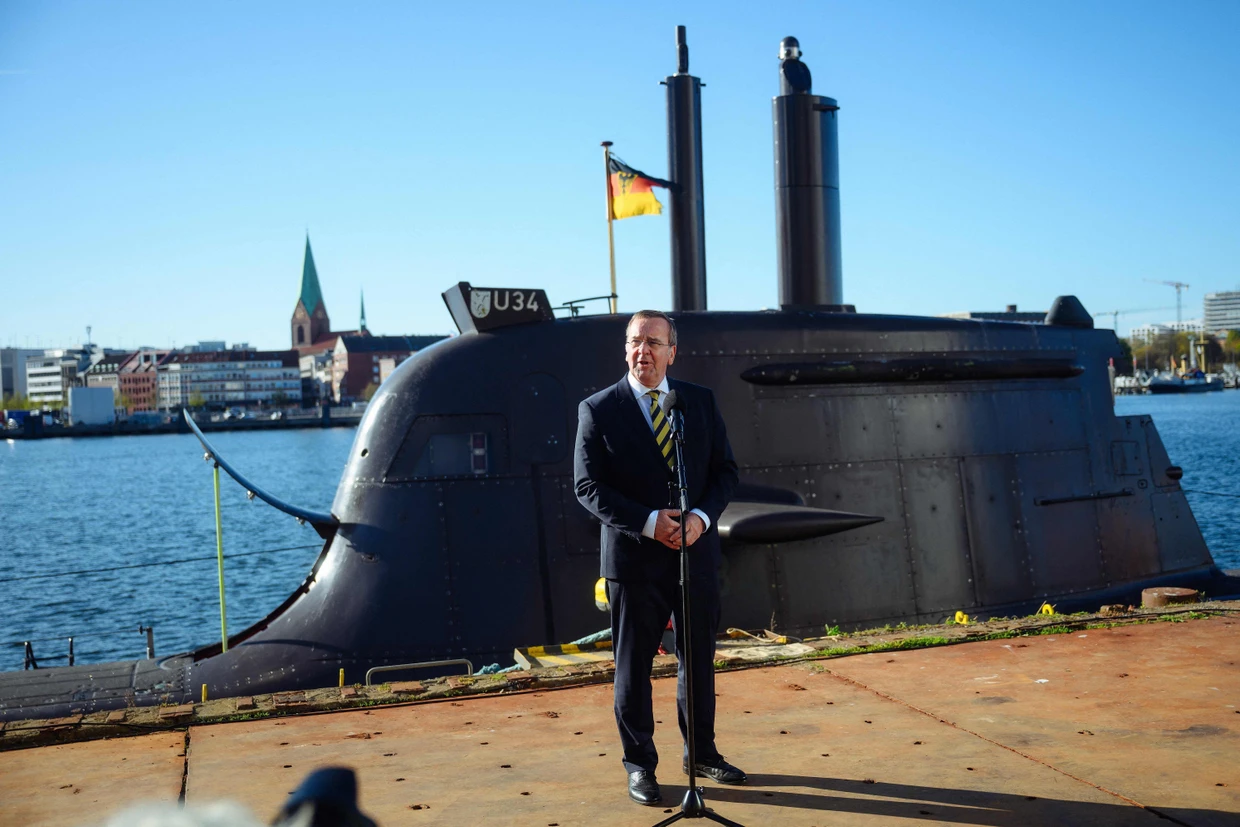
The Frankfurt Stock Exchange has welcomed three newcomers since autumn: the Kiel-based submarine manufacturer Thyssenkrupp Marine Systems (TKMS), the specialist for submarine deployment devices Gabler and the electronics, precision engineering and software company Vincorion. CSG went public in Amsterdam in January: the largest IPO of a defense company to date in terms of issue volume and market capitalization. The Czech manufacturer of large- and small-caliber ammunition and heavy vehicles earned 3.8 billion euros and went into trading with a market capitalization of 25 billion euros.
Another Czech arms company has recently been listed in Amsterdam: Colt CZ Group, a specialist in small arms and ammunition, has a secondary listing in addition to the main stock exchange in Prague. According to CEO Radek Musil, it serves to “expand the visibility among international investors, increase the liquidity of our shares and thus strengthen the attractiveness of the Colt CZ share”.
Satellites and submarines are in demand
The next major project is already foreseeable: two years after KKR’s minority investment, the space company OHB is preparing a full return to the stock market, as confirmed in financial circles. The Fuchs family as the majority owner and the US investor are working on plans to sell both new shares through a capital increase and existing shares. According to information from the FAZ, the investment bank Rothschild and KKR with its special unit KKR Capital Markets act as higher-level advisors.
A small portion of OHB – six percent – is in free float, which is why the project is not formally a real initial public offering (IPO). With the planned step, the Bremen-based company would once again become a listed company with significant liquidity. There is therefore talk in Frankfurt financial circles that it has the characteristics of a “re-IPO”, i.e. a new IPO. Three banks will act as global coordinators for the project, as confirmed in financial circles: Deutsche Bank, JP Morgan, Goldman Sachs.
OHB wants to finance the growth that is likely to occur through public contracts. The company is best known as a satellite manufacturer. The group is planning a joint venture with Rheinmetall with which both parties want to apply for a billion-dollar contract from the Bundeswehr to set up a military satellite network. The Federal Cartel Office approved the joint venture in April.
Who will be the next neoprime?
The start-ups Quantum System and Helsing are also considered IPO candidates. Quantum started out as a specialist for reconnaissance drones in the civilian sector. When the Bundeswehr’s need for attack drones became apparent, founder Florian Seibel launched another company, Stark Defense. The controversial US investor Peter Thiel is also among the minority financiers. At the beginning of the year, Stark received his first order from the Bundeswehr. Together, the two companies have a valuation of more than four billion euros. A Quantum IPO has been being explored in financial circles for some time. However, there could be another round of financing before that. There is also speculation about a merger with Stark before the IPO.
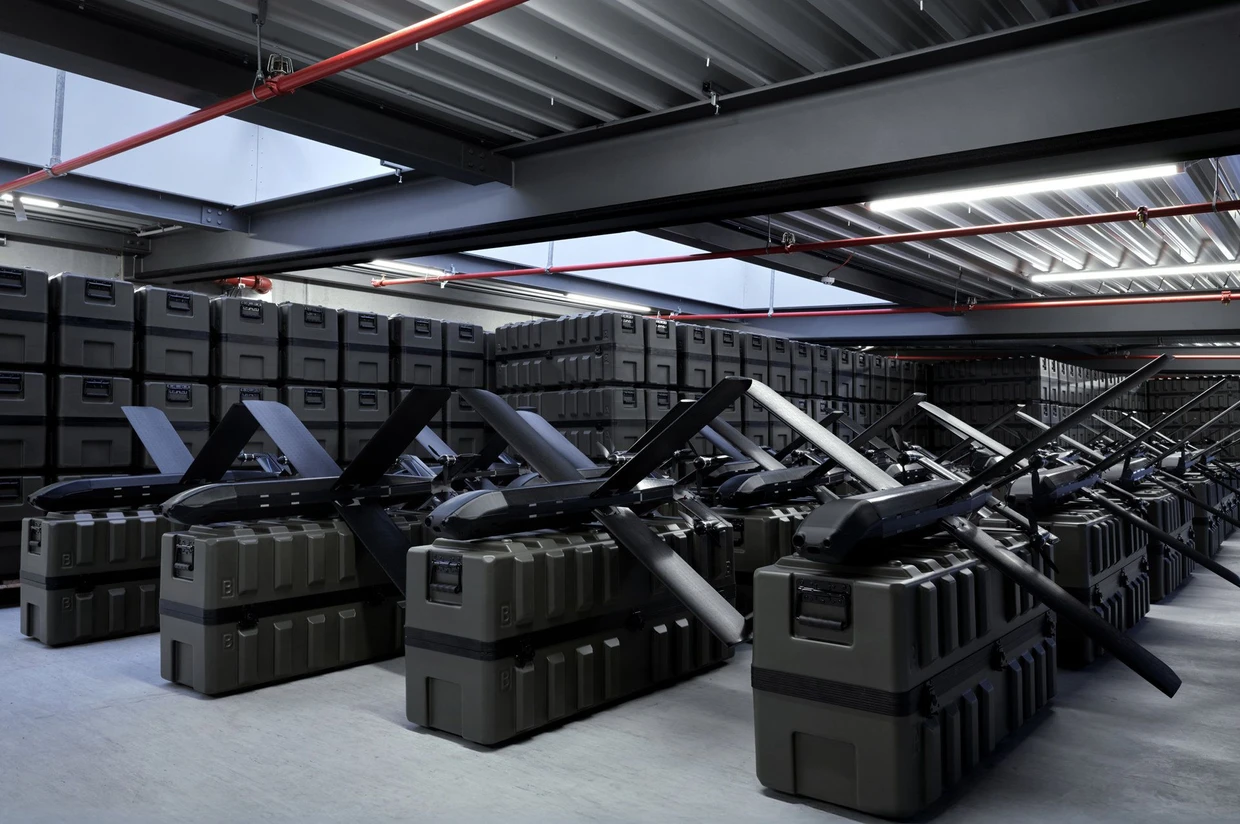
The big question is which of the many start-ups will make the leap out of the niche and become a “neoprime”, i.e. a large provider with a wide range. This also applies to Helsing, which will also supply kamikaze drones to the Bundeswehr for almost half a billion euros. At twelve billion euros, the Munich-based company is considered Europe’s most valuable defense start-up. In the financing rounds, Helsing has so far relied on European investors, including Spotify founder Daniel Ek.
The question of new IPOs will continue to concern investors in the coming months. “There is currently no strong M&A market; the valuations are sometimes too high for that,” estimates Oliver Seiler from Latham & Watkins. In general, he sees this development as a great opportunity for the German market. “There is still a strong engineering and development skill here that investors value.”