Monday, May 4, 2026
    The GeoStrategic Consensus
    No Result
    View All Result
    • Login
    • HOME
    • AMERICAS
      • Argentina
      • Brazil
      • Canada
      • Chile
      • Colombia
      • Costa Rica
      • Cuba
      • Dominican Republic
      • Ecuador
      • El Salvador
      • Greenland
      • Guatemala
      • Honduras
      • Mexico
      • Nicaragua
      • Panama
      • Paraguay
      • Peru
      • United States
      • Uruguay
      • Venezuela
    • ASIA-PACIFIC
      • Australia
      • Brunei Darussalam
      • Cambodia
      • China
      • Federated States of Micronesia
      • Fiji
      • Indonesia
      • Japan
      • Kiribati
      • Laos
      • Malaysia
      • Marshall Islands
      • Mongolia
      • Myanmar
      • Nauru
      • New Zealand
      • North Korea
      • Palau
      • Papua New Guinea
      • Philippines
      • Samoa
      • Singapore
      • Solomon Islands
      • South Korea
      • Taiwan
      • Thailand
      • Timor-Leste
      • Tonga
      • Tuvalu
      • Vanuatu
      • Vietnam
    • CARICOM
      • CARICOM – Non-English
        • Haiti
        • Suriname
      • CARICOM Associates
        • Anguilla
        • Bermuda
        • British-Virgin-Islands
        • Cayman-Islands
        • Curacao
        • Turks-and-Caicos
      • CARICOM English
        • Antigua and Barbuda
        • Barbados
        • Belize
        • Dominica
        • Grenada
        • Guyana
        • Jamaica
        • Montserrat
        • Saint Kitts and Nevis
        • Saint Lucia
        • Saint Vincent and the Grenadines
        • The Bahamas
        • Trinidad and Tobago
    • EURASIA
      • Armenia
      • Azerbaijan
      • Balarus
      • Georgia
      • Kazakhstan
      • Kyrgyzstan
      • Moldova
      • Russia
      • Tajikistan
      • Turkmenistan
      • Ukraine
      • Uzbekistan
    • EUROPE
      • Albania
      • Andorra
      • Austria
      • Bosnia and Herzegovina
      • Bulgaria
      • Croatia
      • Cyprus
      • Czech Republic
      • Denmark
      • Estonia
      • Finland
      • France
      • Germany
      • Greece
      • Holy See
      • Hungary
      • Iceland
      • Ireland
      • Italy
      • Kosovo
      • Latvia
      • Liechtenstein
      • Lithuania
      • Luxembourg
      • Malta
      • Monaco
      • Montenegro
      • Netherlands
      • North Macedonia
      • Norway
      • Poland
      • Portugal
      • Romania
      • San Marino
      • Serbia
      • Slovakia
      • Slovenia
      • Spain
      • Sweden
      • Switzerland
      • United Kingdom
    • MIDDLE EAST AND NORTH AFRICA
      • Algeria
      • Bahrain
      • Egypt
      • Iran
      • Iraq
      • Israel
      • Jordan
      • Kuwait
      • Lebanon
      • Lybia
      • Morocco
      • Oman
      • Palestinian Territories
      • Qatar
      • Saudi Arabia
      • Syria
      • Tunisia
      • Turkey
      • United Arab Emirates
      • Western Sahara
      • Yemen
    • SOUTH ASIA
      • Afghanistan
      • Bangladesh
      • Bhutan
      • India
      • Maldives
      • Nepal
      • Pakistan
      • Sri Lanka
    • SUB-SAHARAN AFRICA
      • Angola
      • Benin
      • Botswana
      • Burkina Faso
      • Burundi
      • Cabo Verde
      • Cameroon
      • Central African Republic
      • Chad
      • Comoros
      • Cote d’Ivoire
      • Democratic Republic of the Congo
      • Djibouti
      • Equatorial Guinea
      • Eritrea
      • Eswatini
      • Ethiopia
      • Gabon
      • Gambia
      • Ghana
      • Guinea
      • Guinea Bissau
      • Kenya
      • Lesotho
      • Liberia
      • Madagascar
      • Malawi
      • Mali
      • Mauritania
      • Mauritius
      • Mozambique
      • Namibia
      • Niger
      • Nigeria
      • Republic of the Congo
      • Rwanda
      • Sao Tome and Principe
      • Senegal
      • Seychelles
      • Sierra Leone
      • Somalia
      • South Africa
      • South Sudan
      • Sudan
      • Tanzania
      • Togo
      • Uganda
      • Zambia
      • Zimbabwe
    • HOME
    • AMERICAS
      • Argentina
      • Brazil
      • Canada
      • Chile
      • Colombia
      • Costa Rica
      • Cuba
      • Dominican Republic
      • Ecuador
      • El Salvador
      • Greenland
      • Guatemala
      • Honduras
      • Mexico
      • Nicaragua
      • Panama
      • Paraguay
      • Peru
      • United States
      • Uruguay
      • Venezuela
    • ASIA-PACIFIC
      • Australia
      • Brunei Darussalam
      • Cambodia
      • China
      • Federated States of Micronesia
      • Fiji
      • Indonesia
      • Japan
      • Kiribati
      • Laos
      • Malaysia
      • Marshall Islands
      • Mongolia
      • Myanmar
      • Nauru
      • New Zealand
      • North Korea
      • Palau
      • Papua New Guinea
      • Philippines
      • Samoa
      • Singapore
      • Solomon Islands
      • South Korea
      • Taiwan
      • Thailand
      • Timor-Leste
      • Tonga
      • Tuvalu
      • Vanuatu
      • Vietnam
    • CARICOM
      • CARICOM – Non-English
        • Haiti
        • Suriname
      • CARICOM Associates
        • Anguilla
        • Bermuda
        • British-Virgin-Islands
        • Cayman-Islands
        • Curacao
        • Turks-and-Caicos
      • CARICOM English
        • Antigua and Barbuda
        • Barbados
        • Belize
        • Dominica
        • Grenada
        • Guyana
        • Jamaica
        • Montserrat
        • Saint Kitts and Nevis
        • Saint Lucia
        • Saint Vincent and the Grenadines
        • The Bahamas
        • Trinidad and Tobago
    • EURASIA
      • Armenia
      • Azerbaijan
      • Balarus
      • Georgia
      • Kazakhstan
      • Kyrgyzstan
      • Moldova
      • Russia
      • Tajikistan
      • Turkmenistan
      • Ukraine
      • Uzbekistan
    • EUROPE
      • Albania
      • Andorra
      • Austria
      • Bosnia and Herzegovina
      • Bulgaria
      • Croatia
      • Cyprus
      • Czech Republic
      • Denmark
      • Estonia
      • Finland
      • France
      • Germany
      • Greece
      • Holy See
      • Hungary
      • Iceland
      • Ireland
      • Italy
      • Kosovo
      • Latvia
      • Liechtenstein
      • Lithuania
      • Luxembourg
      • Malta
      • Monaco
      • Montenegro
      • Netherlands
      • North Macedonia
      • Norway
      • Poland
      • Portugal
      • Romania
      • San Marino
      • Serbia
      • Slovakia
      • Slovenia
      • Spain
      • Sweden
      • Switzerland
      • United Kingdom
    • MIDDLE EAST AND NORTH AFRICA
      • Algeria
      • Bahrain
      • Egypt
      • Iran
      • Iraq
      • Israel
      • Jordan
      • Kuwait
      • Lebanon
      • Lybia
      • Morocco
      • Oman
      • Palestinian Territories
      • Qatar
      • Saudi Arabia
      • Syria
      • Tunisia
      • Turkey
      • United Arab Emirates
      • Western Sahara
      • Yemen
    • SOUTH ASIA
      • Afghanistan
      • Bangladesh
      • Bhutan
      • India
      • Maldives
      • Nepal
      • Pakistan
      • Sri Lanka
    • SUB-SAHARAN AFRICA
      • Angola
      • Benin
      • Botswana
      • Burkina Faso
      • Burundi
      • Cabo Verde
      • Cameroon
      • Central African Republic
      • Chad
      • Comoros
      • Cote d’Ivoire
      • Democratic Republic of the Congo
      • Djibouti
      • Equatorial Guinea
      • Eritrea
      • Eswatini
      • Ethiopia
      • Gabon
      • Gambia
      • Ghana
      • Guinea
      • Guinea Bissau
      • Kenya
      • Lesotho
      • Liberia
      • Madagascar
      • Malawi
      • Mali
      • Mauritania
      • Mauritius
      • Mozambique
      • Namibia
      • Niger
      • Nigeria
      • Republic of the Congo
      • Rwanda
      • Sao Tome and Principe
      • Senegal
      • Seychelles
      • Sierra Leone
      • Somalia
      • South Africa
      • South Sudan
      • Sudan
      • Tanzania
      • Togo
      • Uganda
      • Zambia
      • Zimbabwe
    No Result
    View All Result
    Agentially
    No Result
    View All Result
    Home AMERICAS Canada

    Reopening the Strait of Hormuz is easier said than done. Here’s why

    The Analyst by The Analyst
    April 22, 2026
    in Canada
    Reopening the Strait of Hormuz is easier said than done. Here’s why


    Assurances from Iran and the U.S. that the Strait of Hormuz was again “completely” open to traffic on Friday have been quickly dashed with Tehran’s announcement 24 hours later that the waterway has “returned to its previous state.”

    READ ALSO

    Government documents suggest Ottawa stalled airline fee meant to fund passenger complaints system

    Peter Nygard’s appeal of sexual assault convictions being heard Monday in Toronto

    It’s the latest twist in a saga of uncertainty about the viability of the critical waterway, whose effective closure since the U.S. and Israel launched strikes on Iran on Feb. 28 has debilitated global trade and sent oil prices soaring.

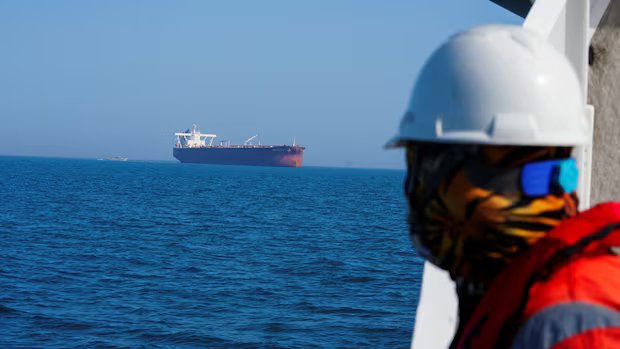
    Not for the first time in the past seven weeks of war and tenuous ceasefire, the details of developments concerning the strait have been sparse, creating unease and anxiety among the shipping companies and crews whose tankers and containers slowly circle the waters on either side of the channel.

    Here’s what we know and don’t know about the movement of shipping through the channel and the wider effects of all this uncertainty.

    How did we get here?

    Restoring marine traffic through the strait currently hinges on two fragile, short-term ceasefires.

    A two-week ceasefire between Iran and the U.S. has been in place since April 7, but talks since then on ending the war have foundered.

    With Tehran continuing to apply a chokehold on the Strait of Hormuz — because the ceasefire had not included Israel’s strikes on Hezbollah targets in Lebanon — the U.S. set up its own blockade of ships coming to and from Iran in the Gulf of Oman, east of the strait, beginning April 13.

    Following Thursday’s announcement of a 10-day ceasefire in Lebanon, Iranian Foreign Affairs Minister Abbas Araghchi said Friday the strait would open for all commercial vessels as long as the cessation of hostilities remains in place.

    But the U.S. has not backed down on its naval blockade, and it appears it will only be lifted when Iran agrees to wider terms — with just days until the ceasefire is set to end.

    After Iran warned it would take “necessary reciprocal measures” if the U.S. blockade continues, Ebrahim Azizi, head of the Iranian parliament’s National Security Commission, said Saturday the strait was “returning to the status quo.” He said earlier that this means ships would require Iranian authorization and toll payment before transiting.

    WATCH | The challenges of fully reopening the Strait of Hormuz:

    Why you can’t just ‘fully’ reopen the Strait of Hormuz | About That

    After more than six weeks of the de facto closure of the world’s most critical energy chokepoint, Iran said the Strait of Hormuz was “completely open” to ship traffic. But as Andrew Chang explains, a few key factors complicate how open the shipping route actually is, and how long the status quo might hold.

    Images provided by The Canadian Press, Reuters and Getty Images

    Are any ships moving through the strait?

    Accordingly, with all the uncertainty, marine traffic through the Strait of Hormuz has remained effectively at a standstill — even on Friday, when the channel was supposed to be open.

    About 20 vessels began sailing toward the strait that evening but soon halted, with some turning back, data from Marine Traffic showed. It was not immediately clear why the ships ⁠stopped.

    Through Friday and into Saturday, Marine Traffic still showed oil tankers and container vessels clustered on either side of the strait.

    Even 20 vessels would be a far cry from what used to navigate the channel — UN Trade and Development estimated as many as 151 ships were transiting through daily in February. 

    WATCH | U.S. keeps naval blockade in place for ships heading to and from Iran:

    Strait of Hormuz open during U.S.-Iran ceasefire, Trump and Iran’s foreign minister say

    U.S. President Donald Trump and Iran’s foreign affairs minister say the Strait of Hormuz is open during the ceasefire between their countries, as they negotiate a peace deal. Trump also said the U.S. naval blockade is still in place, but only for Iranian vessels.

    How safe is the strait? 

    Transiting the strait was always going to be risky while the U.S. and Israel traded airstrikes with Iran and, indeed, a handful of ships were hit by projectiles.

    But even in the ceasefire, safety does not appear to be guaranteed.

    Two Indian-flagged vessels carrying crude oil were attacked Saturday while attempting to cross the strait, India’s Ministry of External Affairs said.

    Another big source of uncertainty is how heavily the strait has been mined.

    U.S. President Donald Trump said Friday that Iran, with U.S. help, “has removed or is in the process of removing all sea mines it had placed in the strait.” Iran gave no corroboration, and it remains unclear how many mines have been laid and how many remain.

    U.S. officials quoted by the New York Times said Iran hasn’t been able to locate all of the mines it laid and doesn’t have the capability to remove them.

    Admiral Brad Cooper, the top U.S. commander in the Middle East, confirmed the U.S. military will be working to clear mines from the strait but offered no details on the scope of the task.

    WATCH | No trade shock compares to the one created by Iran war, analyst says:

    Trade through Strait of Hormuz down to a ‘trickle,’ says analyst

    The economy has seen trade shocks before, such as the Russian invasion of Ukraine, but ‘nothing compares to this scale,’ says Alexis Ellender, global trade analyst for Kpler.

    Clearing a strategic waterway such as the Strait of Hormuz would be a multi‑step process that could take two to three weeks, former naval officers and industry specialists have said.

    The lack of any clear information on the quantity of mines and their location is clearly causing nerves among shipping companies. The head of the Norwegian Shipowners’ Association, Knut Arild Hareide, said there are “a number of outstanding uncertainties” in the strait’s reopening, “including questions related to the presence of sea mines.”

    How long would it take to restore traffic?

    While there are safety and security challenges to getting marine traffic flowing again, there is also a stark logistical one. 

    More than 1,000 ocean-going vessels have been trapped in the Persian Gulf for weeks, according to Daejin Lee, global head of research ​at Fertmax FZCO. 

    The strait is just 33 kilometres wide at its narrowest point and navigable channels for huge tankers and container ships are much narrower, so it won’t be a simple case of letting everyone set sail at the same time when conditions are right.

    It would likely take more than two weeks to clear the backlog even under normal conditions, Lee said.

    Nils Haupt, senior director of communications of German shipping giant Hapag-Lloyd, said a lot more detail and reassurance is needed before vessels can leave.

    “Who is leaving first? Will it be like a chain? How is the procedure? This is all information we would need to know and because priority No. 1 is safety and security of the seafarers,” Haupt said.

    When could energy prices start to come down? 

    Haupt’s concerns point to another major factor in the global consequences of the strait’s closure: time. 

    Markets may have reacted positively Friday to news of the strait’s apparent reopening, but with Gulf exports now effectively stalled for seven weeks, supply — and prices — will take a long time to recover. 

    “Oil only travels at the speed of a tanker,” Rory Johnston, founder of Commodity Context, told CBC News in late March. Those tankers can take weeks to make it to their respective destinations so oil can once again flow to where it’s needed. 

    Meanwhile, every added day of disruption disproportionately lengthens that recovery time as more oil waits for export.

    WATCH | Tit-for-tat blockades:

    Is this U.S. blockade Trump’s riskiest move yet? | About That

    President Donald Trump announced the United States would apply its own blockade of the Strait of Hormuz in retaliation for Iran’s de facto shutdown, which is now stretching into its seventh week. But, as Andrew Chang explains, responding this way to Iran’s control of 20 per cent of the world’s energy supply could pose several risks as the war in the Middle East escalates.

    CORRECTION (April 16, 2026): An earlier version of this video incorrectly used an aerial image of the Clarence Strait to illustrate the Strait of Hormuz. The image has been replaced.

    Images provided by The Canadian Press, Reuters, Adobe Stock and Getty Images

    Johnston estimated three weeks ago that around half a billion barrels of oil was locked behind Hormuz.

    Heather Exner-Pirot of the Macdonald-Laurier Institute in Ottawa believes that figure is now closer to a billion — and it could take years to replace the inventory that’s lost.

    While announcements saying the strait has reopened could offer a short-term easing of oil prices and a consequent reprieve for consumers, the uncertainty surrounding ceasefires and longer-term peace means that won’t last long, Exner-Pirot told CBC News Network on Friday.

    “Energy analysts would have consensus that the supply still isn’t back on, and it’ll take a long time to unwind,” she said.


    Source link

    Related Posts

    Government documents suggest Ottawa stalled airline fee meant to fund passenger complaints system
    Canada

    Government documents suggest Ottawa stalled airline fee meant to fund passenger complaints system

    May 4, 2026
    Peter Nygard’s appeal of sexual assault convictions being heard Monday in Toronto
    Canada

    Peter Nygard’s appeal of sexual assault convictions being heard Monday in Toronto

    May 4, 2026
    What airlines are supposed to do when uncontrollable circumstances lead to flight disruptions
    Canada

    What airlines are supposed to do when uncontrollable circumstances lead to flight disruptions

    May 4, 2026
    Reeling from crisis, P.E.I.’s oyster industry hopes disease-resistant seed from U.S. helps
    Canada

    Reeling from crisis, P.E.I.’s oyster industry hopes disease-resistant seed from U.S. helps

    May 4, 2026
    This mother says Air Canada ignored refund plea for months after her child’s death
    Canada

    This mother says Air Canada ignored refund plea for months after her child’s death

    May 4, 2026
    FIFA World Cup: Everything (and more) you need to know about the 16 stadiums
    Canada

    FIFA World Cup: Everything (and more) you need to know about the 16 stadiums

    May 4, 2026
    Next Post
    Consolidation and expensive energy were not enough. Slovaks are in for another blow to their wallets, this time coming from Brussels – Energy – Economy

    Consolidation and expensive energy were not enough. Slovaks are in for another blow to their wallets, this time coming from Brussels - Energy - Economy

    POPULAR NEWS

    Justin Bieber fans flood Coachella festival for headlining show – Entertainment

    Justin Bieber fans flood Coachella festival for headlining show – Entertainment

    April 20, 2026

    Over 600 flee homes as Army, NPA clash in Negros Occidental

    April 21, 2026

    Ex-DPWH exec recalls P800-M ‘delivery’ to Zaldy Co 

    April 20, 2026

    Former PM Paluckas suspends party membership, to waive immunity over criminal probe

    April 24, 2026
    Pres. Ali challenges CARICOM to transform into health research powerhouse

    Pres. Ali challenges CARICOM to transform into health research powerhouse

    April 23, 2026

    EDITOR'S PICK

    Gulf News | When meeting with His Highness the King of Jordan, the Crown Prince and Prime Minister: Strengthening bilateral cooperation and developing the strategic partnership between Bahrain and Jordan

    Gulf News | When meeting with His Highness the King of Jordan, the Crown Prince and Prime Minister: Strengthening bilateral cooperation and developing the strategic partnership between Bahrain and Jordan

    May 3, 2026
    An isolated continent under iron heels: War atrocities committed by Japanese militarists against Australia – Opinion

    An isolated continent under iron heels: War atrocities committed by Japanese militarists against Australia – Opinion

    April 28, 2026
    ISPAN report on events at Citadelle Henry

    ISPAN report on events at Citadelle Henry

    April 15, 2026
    New Hotel Opens at Lake Balaton with Dining-Focused Concept

    New Hotel Opens at Lake Balaton with Dining-Focused Concept

    April 22, 2026

    Recent Posts

    • The managing director of Patagonia discusses salmon farming in Iceland
    • KPMG and EY demote partners in end of job-for-life model in UK – The Irish Times
    • ‘It just seems bizarre’ – council intervenes as public green where children play is fenced off without permission
    • Rolands Zagorskis comments on rumors about health and poverty

      © 2026 Agentially - Navigating shifting sovereignties and global risk .

      Welcome Back!

      Login to your account below

      Forgotten Password?

      Retrieve your password

      Please enter your username or email address to reset your password.

      Log In
      No Result
      View All Result

        © 2026 Agentially - Navigating shifting sovereignties and global risk .

        This website uses cookies. By continuing to use this website you are giving consent to cookies being used. Visit our Privacy and Cookie Policy.