
While citizens’ attention is focused on the outcome of the eventful first round and on the political crisis opened by President José Balcázar himself over the purchase of F-16 aircraft from the United States, in Petro-Perú the usual interests have begun to move to block the efforts that seek to reform the company.
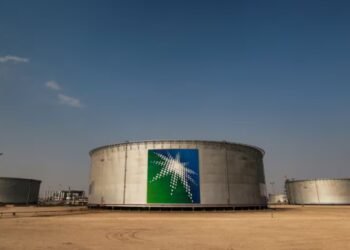
But let’s briefly remember the situation of the state company. Before the end of 2025, the then government of José Jerí issued an emergency decree that proposed a series of measures to prevent Petro-Perú from continuing to squander taxpayer resources, among which was the reorganization of the firm’s assets (entrusted to Pro Inversión). In parallel, the then Minister of Economy, Denisse Miralles, had ruled out new bailouts, an announcement that many of us welcomed, because let us not forget that, according to data from the Peruvian Institute of Economy (IPE), since 2013 the Peruvian State has provided support to the oil company for more than S/24 billion. Money that could well have been used to close gaps in health or education, to mention two examples.
Well, we have not reached May and both commitments – the reorganization of Petro-Perú and the refusal to give it new bailouts – are watering down. A report published yesterday in this newspaper revealed that the general management of the state company has made suspicious moves in three departments that had been working with Pro Inversión within the framework of the reorganization: human resources, administration and legal. According to internal sources, its officials were sent on “forced vacations” and, instead, those areas became led by employees who would be part of the circle of trust of Óscar Vera, the former Petro-Perú manager remembered for his efforts to maintain the status quo. And they would be seeking to fire two important officials who, against all odds, have sought to push for the company’s reform.
This, while the Balcázar government is preparing, it has emerged, a new financial rescue for some US$2.5 billion to which, surely, they will try to give another nomenclature to avoid citizen indignation. As has been happening, furthermore, this lifeline will be given without major commitments to change things, which means that the government will once again throw all taxpayers’ money into the water.
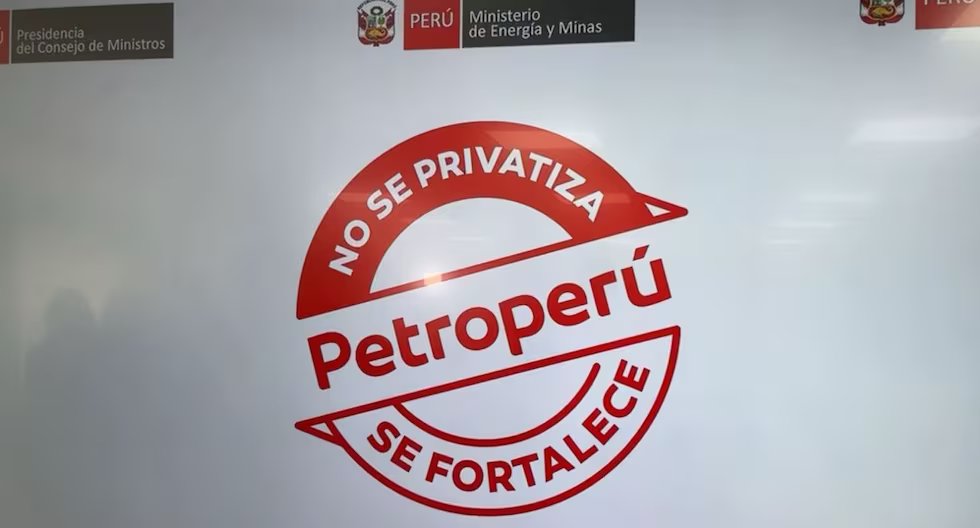
All of the above suggests that we are about to see, once again, how small efforts to prevent Petro-Perú from remaining a waste machine fail. Citizens may be deceived with inaccurate advertisements and empty promises, but the truth is that, as long as there is no firm political commitment to confront the brotherhoods that have encrusted themselves in the oil company, nothing will change. And the Balcázar government does not have it.