In 2026, the Hajj season falls on the last ten days of May. The Saudi government has announced several measures to welcome millions of pilgrims from all over the world and to pass the season without casualties.
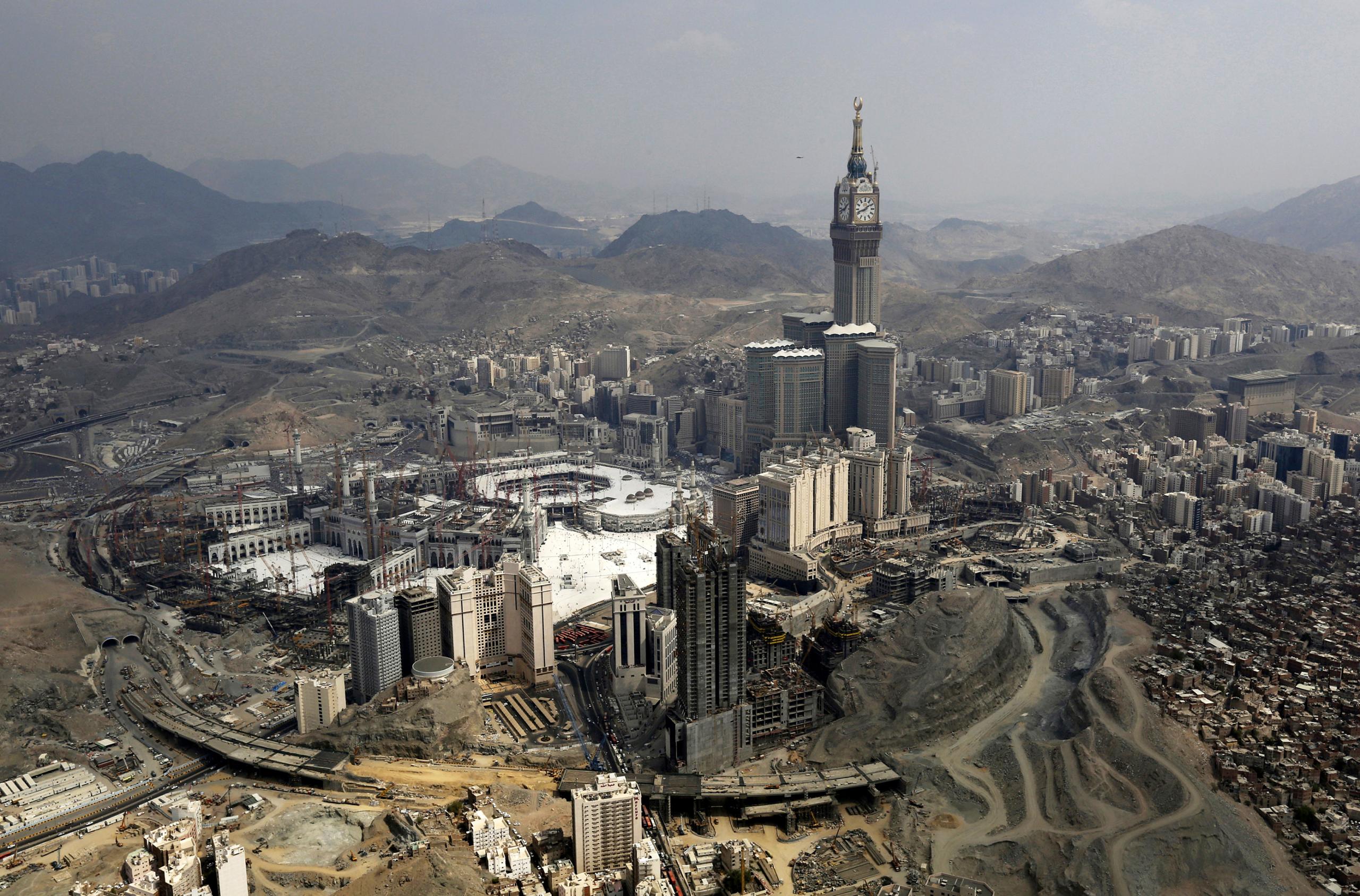
In 2026, Eid al-Adha is expected to fall around May 26 or 27. On these days, Muslims from all over the world go to the holy city of Mecca in Saudi Arabia and perform Hajj. Accordingly, the Saudi authorities are preparing in advance to welcome the millions of pilgrims who arrive each year and to conduct the season without casualties and in an orderly manner.
These include measures such as providing services to pilgrims, accounting for road traffic and hotels, and limiting the flow of illegal arrivals. Today we will inform about them.
Restrictions on entering Mecca
From April 13, 2026, to the rules for entering the holy city of Mecca, Saudi Arabia made a change. According to it, restrictions will be imposed on entering the city of Makkah for all but 3 categories.
In particular, now until the end of the Hajj season, only:
– has a valid Hajj permit;
– has a residence permit in Makkah;
– Only those who have a work permit in Makkah can enter this city.
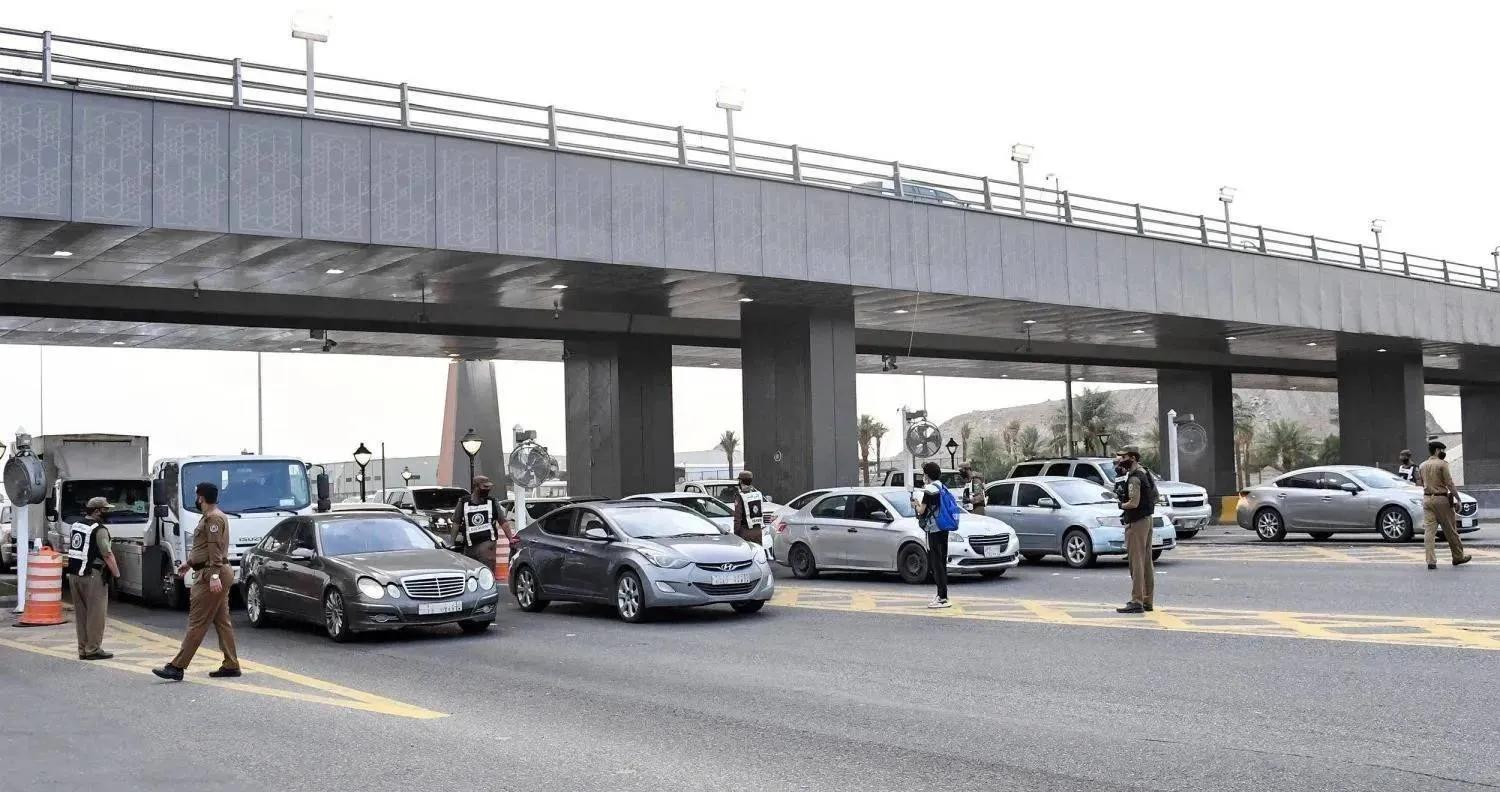
Anyone who does not fall into one of these three categories will not be allowed into the sanctuary city, regardless of visa type or purpose of travel. In particular, foreigners with Umrah visas must also leave Saudi Arabia by April 18.
The imposition of these restrictions is a standard part of preparations for the annual Hajj season, which serves to regulate and control access to the city as millions of pilgrims begin to arrive.
Penalties for Illegal Hajj
On April 14, the Ministry of the Interior of Saudi Arabia announced that it will punish those who perform Hajj without proper permission and those who help them. announced.
These sanctions will be applied from April 18 until May 31 – the end of the Hajj season 2026:
1. Pilgrimage without permission: A fine of approximately $5,300 (20,000 Saudi Riyals) will be imposed on persons performing or attempting to perform Hajj without a Hajj permit. This penalty applies to all types of visit visa holders who have entered, attempted to enter or stayed in Mecca and the holy sites since April 18.
2. Assistance to illegal pilgrims: A fine of approximately $26,000 (SAR 100,000) applies to persons who perform or attempt to perform Hajj without a permit and who apply for a visit visa for those who remain in Mecca. The amount of the fine is multiplied for each violation.
3. Visiting visa holders to the city of Makkah and holy places within the specified period to those who have transported or attempted to transportas well as them in hotels, residences or other buildings to those who kept it secret a fine of 26 thousand dollars (100 thousand SAR) will also be imposed.
4. Hidden from illegal visitors or that they stay in Makkah to those who helped the same punishment will be given. The fine is calculated separately for each concealed person.
5. Deportation and entry ban: Those who sneak into Mecca to perform the Hajj without permission will be deported to their home countries and banned from entering Saudi Arabia for 10 years.
6. They also assisted the holders of visiting visas to illegal pilgrims in Makkah vehiclesif that carrier belongs will be sent to court for confiscation.
According to the Saudi Ministry of Interior, anyone who has been punished has the right to appeal the decision to the competent committee within 30 days or appeal to the Administrative Court within 60 days.
Last year, the Kingdom authorities arrested more than 75,000 people who violated the rules of Hajj as part of the campaign “Preventing unauthorized Hajj”. informed.
Repair work on the Kaaba
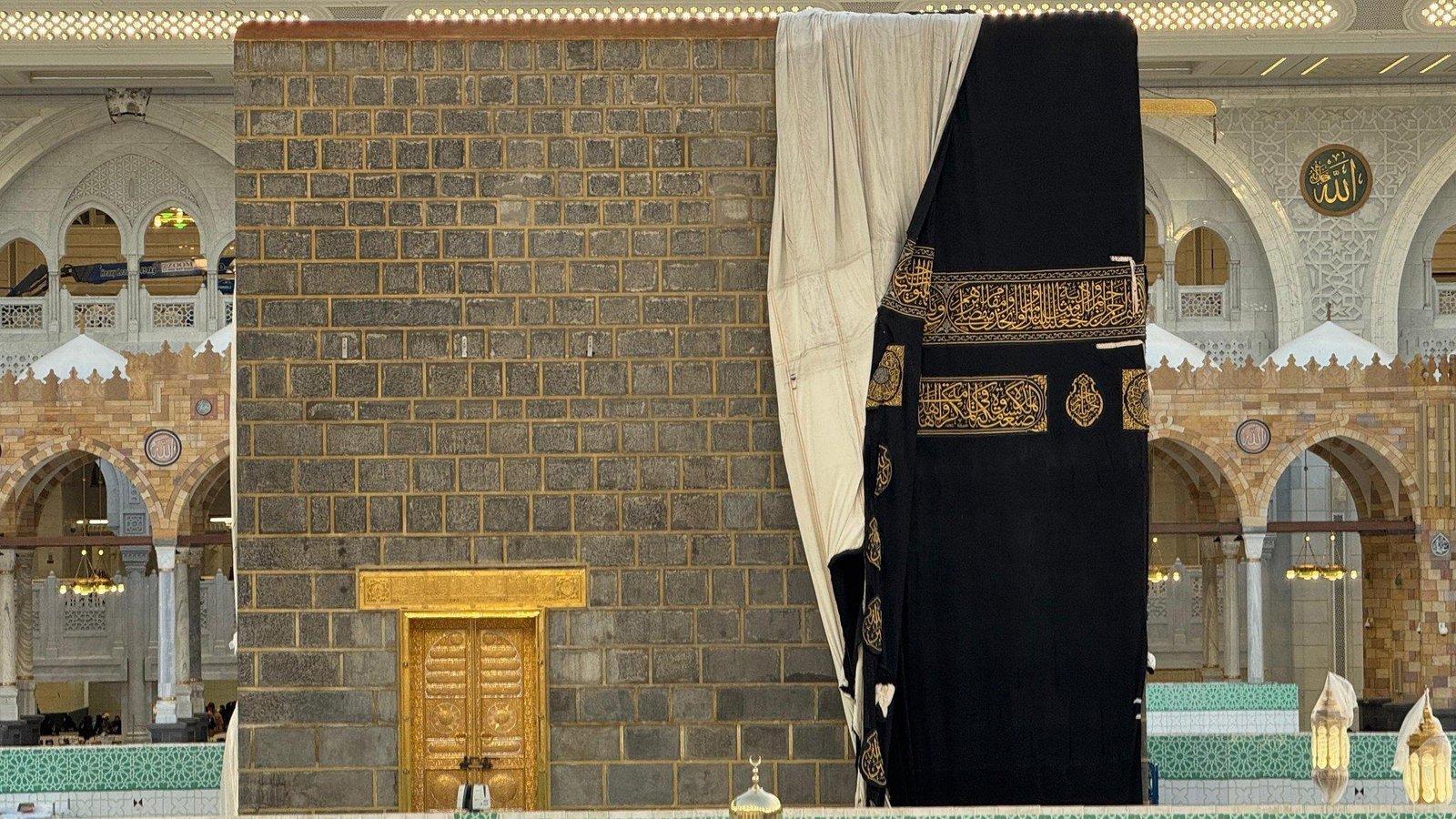
This year, after the end of Ramadan, scheduled maintenance and repair work began to prepare the Ka’bai Mukarrama for the Hajj season. Within these works:
– Metal parts, bricks and corners of the Kaaba are inspected and cleaned;
– The kiswas (covering) of the Kaaba is checked and strengthened;
– The foundation of the Kaaba is also being cleaned and repaired.
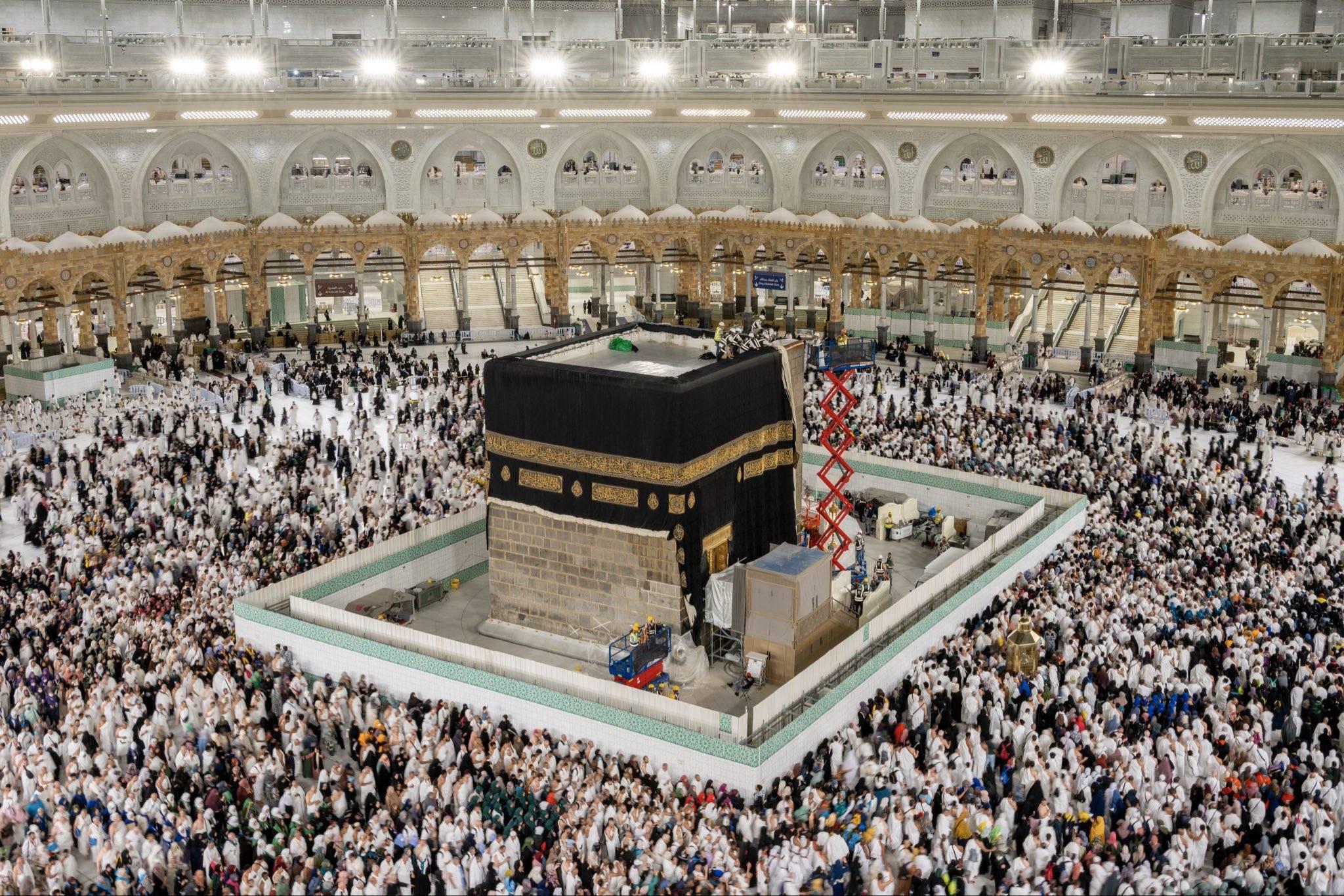
Sheikh Abdulrahman al-Sudais, Chairman of the Department of Religious Affairs of the Two Harams, to the regular maintenance work carried out in Ka’batullah commentingnoted that this is a manifestation of high respect for Baitullah and preservation of its integrity.
“Such actions serve to preserve the sanctity of this holy place and create a safe environment for pilgrims.” said Al-Sudais.
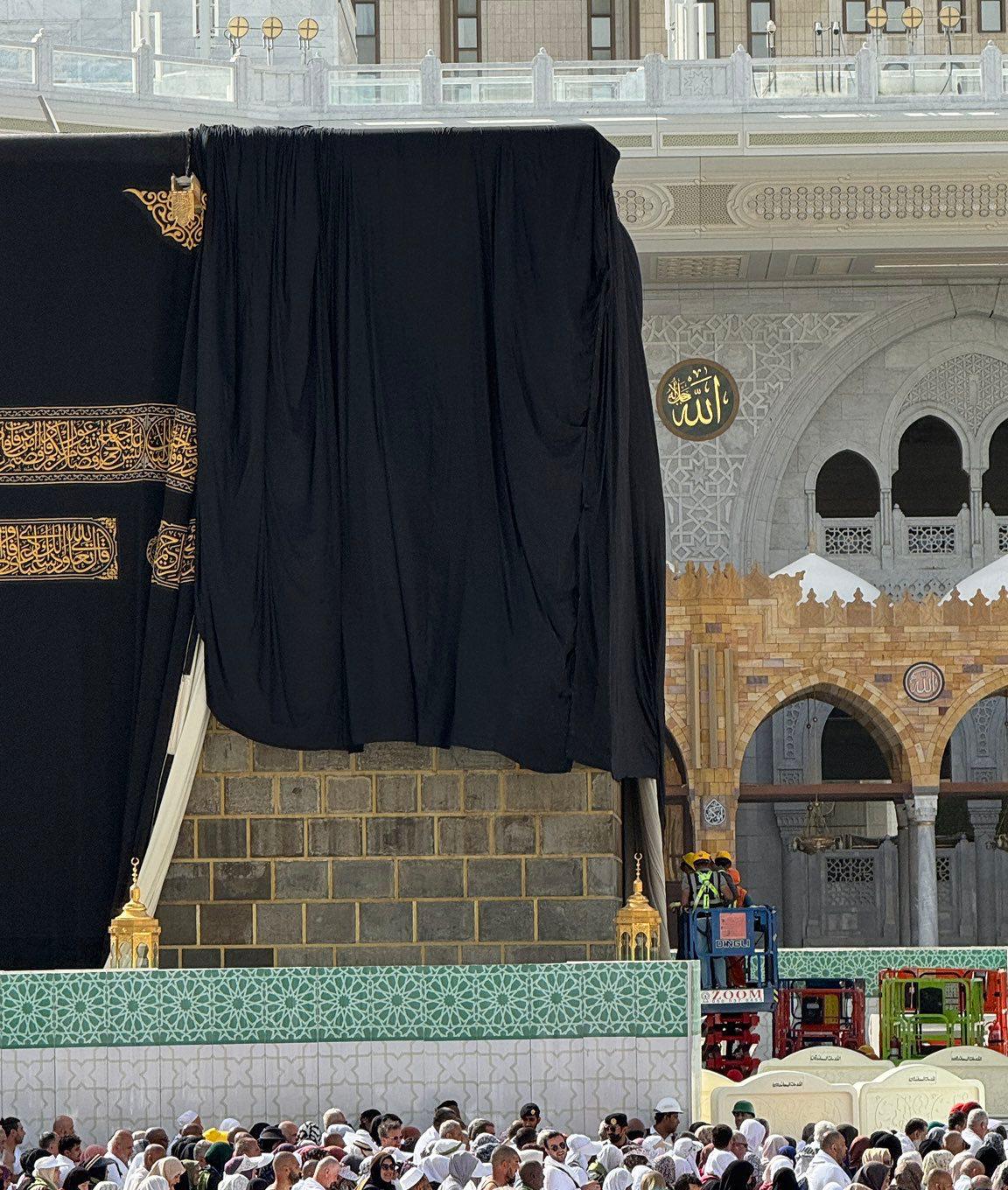
It should be said that this is not a process of changing the Kiswa of the Kaaba. From 2022, according to the decision of the Saudi government, the first day of Kiswa Muharram – the first day of the new Hijri year replaceable. This will be after the end of Hajj, around June 15-16.
Preparations for Hajj have also started in Uzbekistan
In Uzbekistan, unlike Umrah, the Haj pilgrimage remains under full state control. In particular, the Hajj quota of 15,000 allocated to Uzbekistan is implemented by the Office of Muslims and the Committee on Religious Affairs.
In particular, on April 13 of this year, a meeting of group leaders leading pilgrims during the Hajj season was held at the Office of the Muslims of Uzbekistan under the chairmanship of the Mufti. took place.
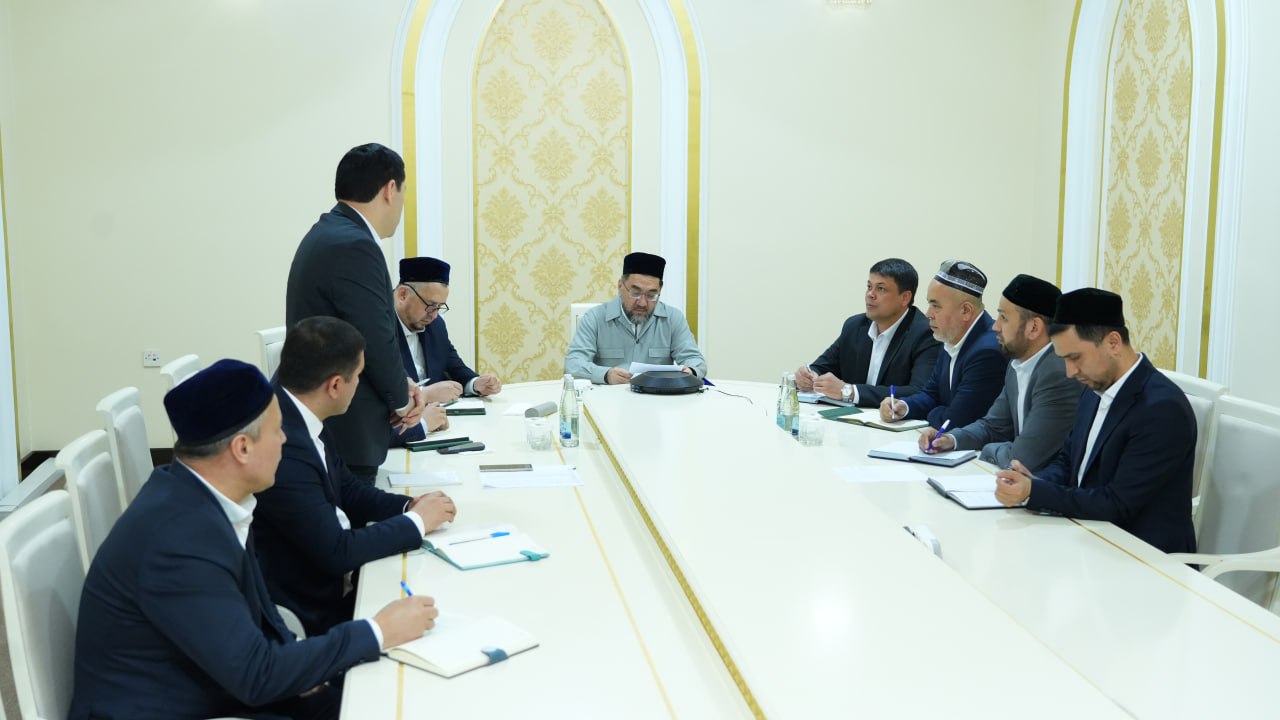
It was reported that at the meeting, attention was paid to “more than 300 fifty heads were selected, training-seminars were held, and issues that need to be paid attention to during meetings with pilgrims.”
Also, the religious office advises Uzbeks not to be deceived by fraudsters when going on a Hajj trip. has been giving.
For information, in November 2025, the Committee on Religious Affairs announced that citizens of Uzbekistan can now register online for Hajj and Umrah announced. According to it, registration for the electronic queue is carried out in two ways — Unified interactive state services portal and www.haj-umra.gov.uz through the site.