One parent tellsthat he has to pick up his child earlier each week due to staff shortages.
Another says that already 15 years ago she experienced entering a day care center without educational staff present, where the children were looked after by a cleaning worker – a situation which she believes reflects the same problems that still apply today.
A third explains that on average the family will have to pick up their child twice a week.
The critical parental reports from the daycare centers are in the queue. What they have in common is that they praise the staff who take responsibility in the institutions, but criticize the framework.
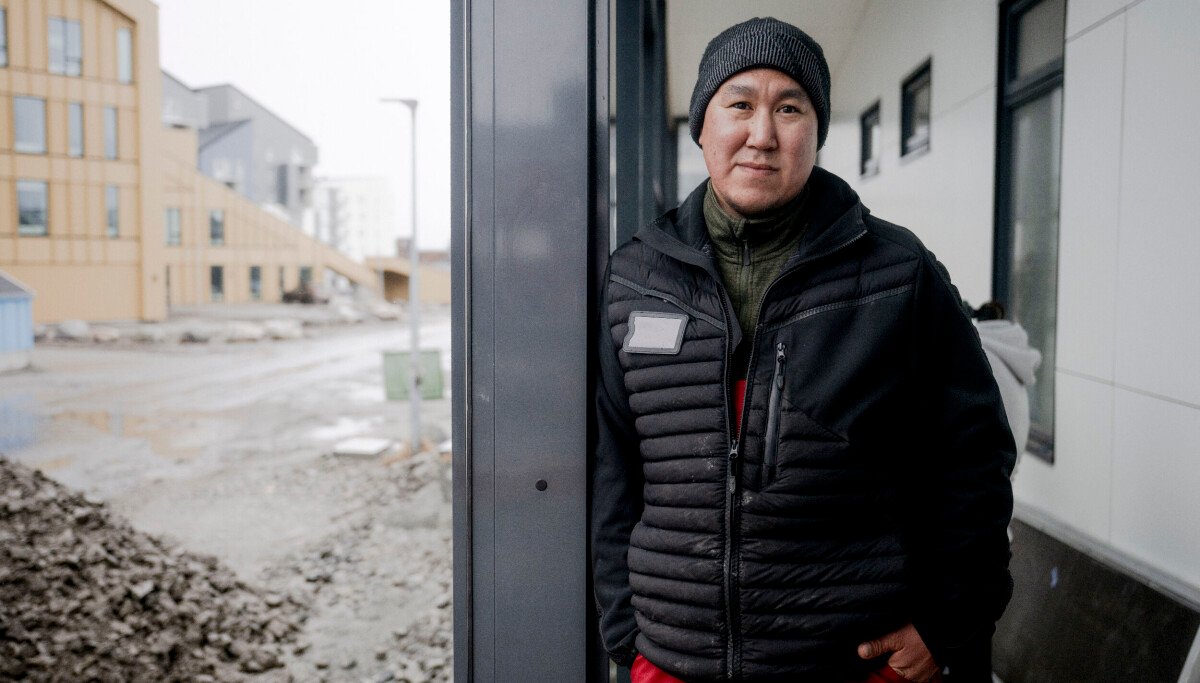
Niels Peter Lange has a six-year-old child in a day care center in Nuuk. Due to staff shortages, the family picks up their son early several times a week, he says.
– It goes beyond my salary, of course, because I am paid by the hour, he says.
When Sermitsiaq spoke to Niels Peter Lange, the institution had called the same morning and asked if the family could collect the son earlier due to staff shortages.
– I said I couldn’t because I have to take care of my work. I feel powerless, but if I don’t work, there is no money, says Niels Peter Lange.
At the same time, he emphasizes that he does not blame the staff for the situation.
– I know it’s not their fault. I know that they struggle and work overtime, says Niels Peter Lange.
Affects the economy
Every morning he does not know what the situation looks like in the kindergarten. Are there enough staff today? Does the institution call while they are at work? The uncertainty makes it difficult for him to be calm about their work.
– It often happens that there is only one member of staff present when we pick up our child, for 15 children, he says.
– It hurts as a parent to see how big the staff shortage is. It is very taxing. Even if you pay every month, you still think: is my child safe?, says Niels Peter Lange.
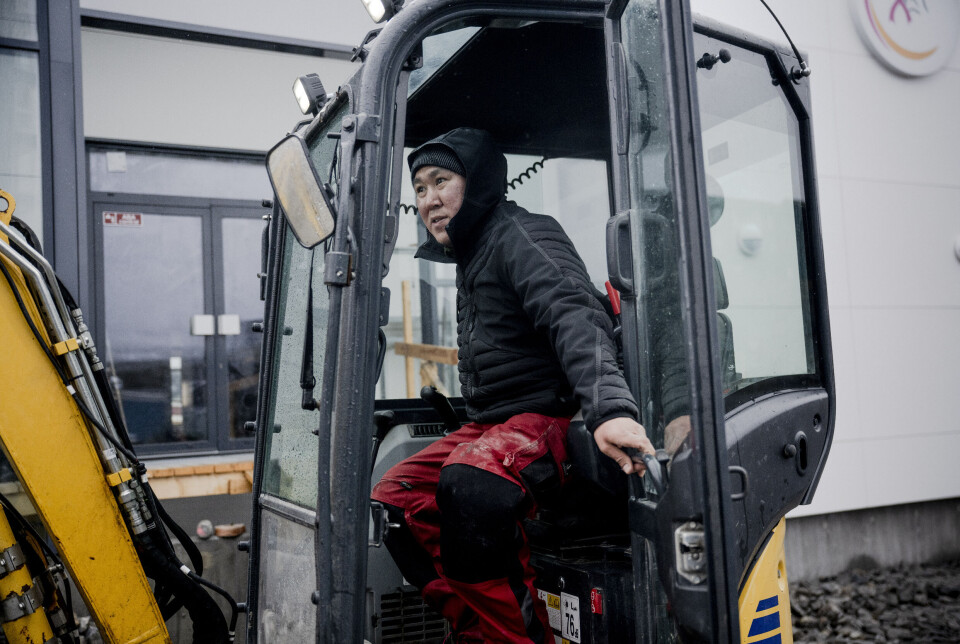
He says that the weekly collections are beginning to be felt on the family’s finances and savings.
– It goes beyond our savings for the holiday when we have to pick up early every week because I lose my salary. Of course you want to be able to have a good holiday, but I’m honestly worried if we can even afford to go. How can this be done?, says Niels Peter Lange.
More care
Another family that has felt the consequences of the lack of hands is Paninnguaq and Phillip Jacobsen, who have two children in daycare in Nuuk.
They moved back to Greenland from Denmark last winter and had heard stories about the lack of hands, so they were prepared for that beforehand, but the start in the daycare still surprised them.
Today, however, they emphasize that they are happy with the institution and the employees, but that the first period was marked by challenges.
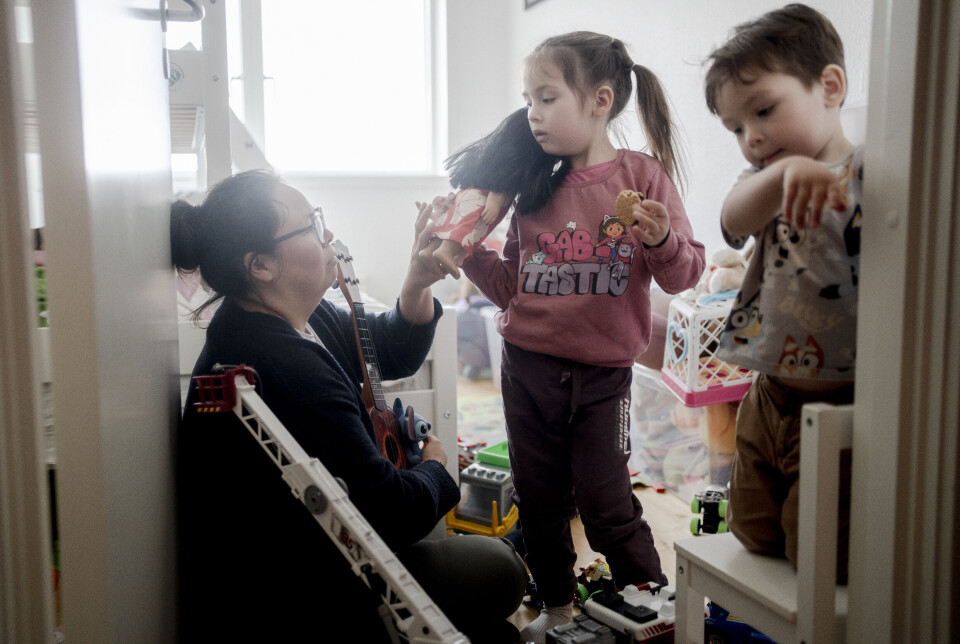
– The adults are really attentive to the children and their development. This is really positive, but there is not much room for educational development. It’s more passing, says Paninnguaq Jacobsen.
Is it a result of missing hands?
– Yes, I definitely think so, she says.
They felt the lack of hands quite concretely on one of the first days in the institution. Paninnguaq Jacobsen was sitting with her son on her lap when an employee told her that her grandson had attended the institution, but fortunately had moved to another place.
– It was shocking to find out. I didn’t know what to do with it, says Paninnguaq Jacobsen.
It’s about security
Despite the experience, Paninnguaq Jacobsen states that there is nothing wrong with the staff. On the contrary.
– The staff is fantastic. They really love the kids and greet all the kids. But the conditions are really good, she says and continues:
– You can be so passionate about your profession, but the way the prices are everyday, you can’t work in the best way if you have to have more jobs in order to make ends meet financially. You burn out completely, says Paninnguaq Jacobsen.
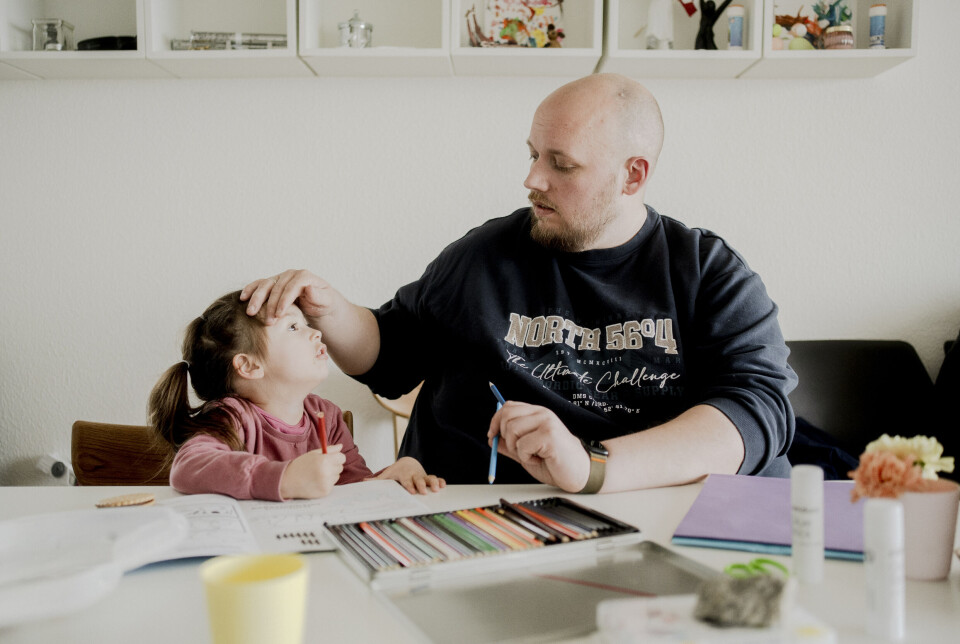
Paninnguaq and Phillip have several concrete examples of how the lack of hands affects the children. Several times they have had to bring their children home early, and most recently some employees did not show up when they had to drop them off at eight in the morning.
– It is a very stable staff, there are just not enough hands. We are lucky to have a grandmother who can help, she explains.
A societal problem
For the families, the problem is not only about logistics and finances, but also about security in everyday life. The parents fear that both children and staff will pay the price for a problem that has been going on for years. In addition, society loses qualified labor.
A mother has approached Sermitsiaq and describes how she cannot drop off her two children at nursery, and is therefore considering becoming a stay-at-home mother. She has a master’s degree and is currently a teacher.
Amid concerns about staff shortages and early pickups, more parents are calling for more than just childcare. They want that there will again be time and surplus for play, creativity and development in the institutions.
This is also the hope that Niels Peter Lange is left with.
– All we are told is that the child has been well and has eaten well. No one ever says that the children drew, did needlework or worked on something specific during the day. It’s just: the child has eaten and is fine. Tassa, he says.