
Open drug use in Zurich city centre is on the rise
Keystone-SDA
After a summer increase in drug use in public spaces, Zurich has responded with more intensive police checks and social work initiatives.
The Swiss city said there has been an increase in the number of people seen using drugs, particularly around the Bäckeranlage park, the Kasernenareal, the area around platform 3 at the main station, Gessnerallee, and at the Schanzengraben. Visible drug use and drug dealing are taking place at these locations.
Large groups are also gathering, leading to conflicts. This makes it difficult for others to use or spend time in the public spaces.
+ Switzerland interesting market for illegal synthetic drugs networks
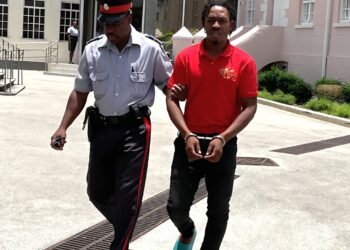
For around a month, the city police have been treating the particularly affected areas in districts 1 and 4 as hotspots. It is attempting to counter this trend through increased patrols, identity checks and removal orders in cases of public order disturbances.
They are also investigating drug trafficking, as “drug use and trafficking will not be tolerated in public spaces”, the city stated.
As a further measure, the city is organising events around the Bäckeranlage throughout the summer. The aim is to revitalise the area and encourage a mix of people. The sites are cleaned regularly and maintenance work is carried out. A counselling service is also regularly on site, operating a preventative outreach programme for young adults during the summer months, focusing on addictive substances and mixed drug use.
More

More
More can be done to prevent addiction in Switzerland, says anti-addiction NGO
Support services under pressure
Zurich’s city council wants to prevent a drug scene becoming established and also to avoid public drug use, as it stated at a council meeting back in May. To this end, it is focusing on prevention as well as enforcement.
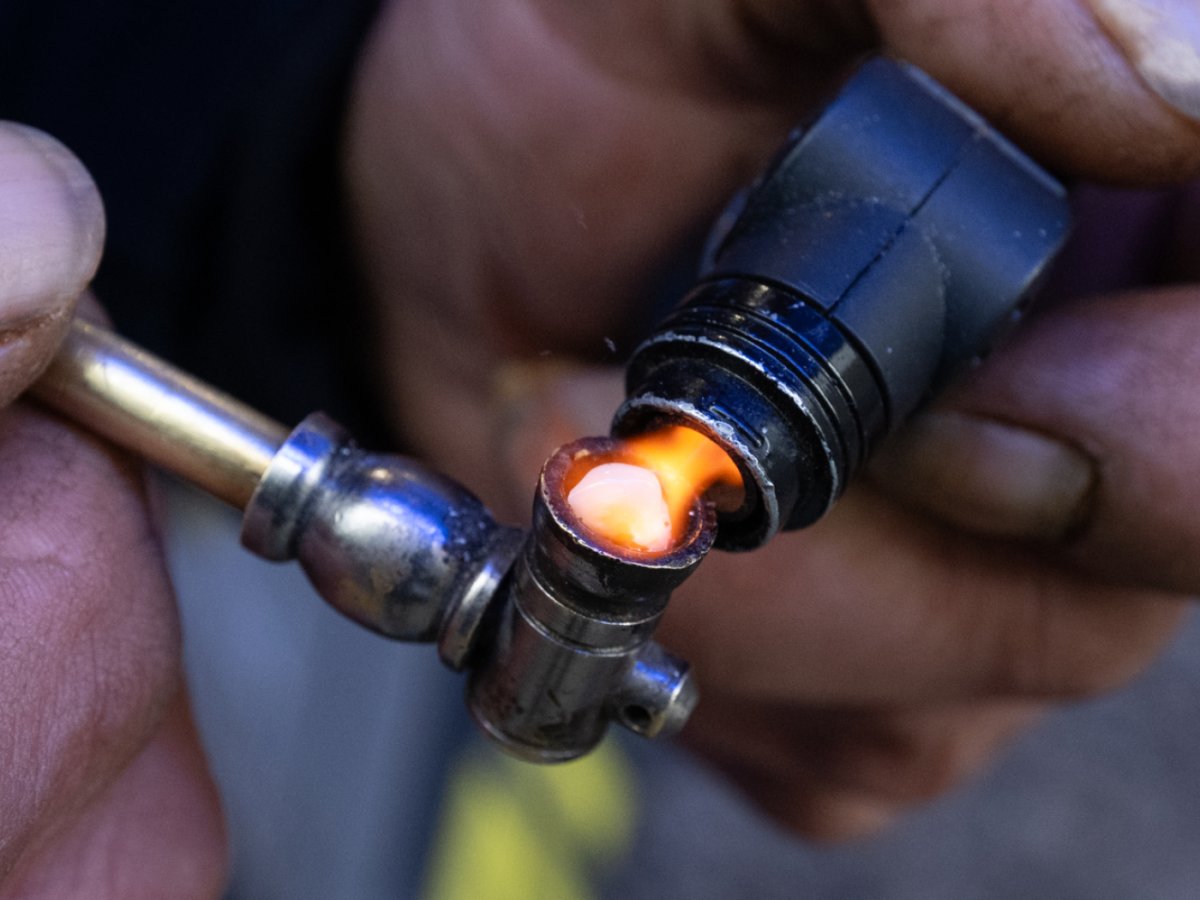
Three drop-in centres already opened in Zurich are operating at full capacity, mainly due to crack and freebase users. As well as the container village on Kasernenwiese, addicts can also smoke crack and freebase in a safe environment at facilities in Oerlikon and Selnau. They are provided with pipes for this purpose by Zurich at a cost of CHF4 each. Small-scale drug dealing is tolerated to prevent it from taking place on the streets.
In addition, Zurich runs a drop-in centre on Bederstrasse for people who do not come from the city. There, they receive support and are referred to their home local authorities. Around half of the estimated 400 crack addicts in Zurich city centre come from outside the city.
Crack, which is highly addictive, first appeared around the Bäckeranlage three years ago. The city attributed this to the closure, at that time, of the drop-in centre on the Kasernenareal. It had already observed the phenomenon at the distribution points as early as 2020. Concerns soon spread that an open drug scene might form in the park in District 4.
Residents in particular expect more from the city, including tougher enforcement. However, several motions by the Swiss People’s Party calling for tougher measures against users of crack and freebase – in particular, rigorous checks and expulsions – failed to gain support in Parliament.
More

More
Geneva struggles with crack-cocaine epidemic
+ How we produce English news
Translated from German, reviewed by an English Department journalist.