
The regulations coming into force in Switzerland on 1 November
Keystone-SDA
New rules are coming into force in Switzerland on November 1 that concern the transmission of air passenger data and Schengen personal data, as well as the modernisation of identity documents.
AVIATION SECURITY: Airlines will be required to submit detailed passenger data to a national authority, the Passenger Information Unit (PIU). The new regulation sets out the formats and timelines for this submission, with a view to combating terrorism and serious crime more effectively.
In future, passengers will be informed about the collection of their data before making a booking. This measure implements the Air Passenger Data Act passed by Parliament and aims to enhance security in the sector, while ensuring compliance with data protection regulations.
SCHENGEN: A new ordinance sets out in detail the national component of the Schengen Information System (SIS) and the tasks of the SIRENE Bureau in Switzerland, which is the national reference and coordination centre for the SIS at the Federal Office of Police (Fedpol). The text sets out the procedures by which the Swiss authorities manage and exchange personal data within the framework of international police cooperation.
+ Switzerland to collect data from non-Schengen visitors
The aim is to strengthen internal security and make border controls more effective by standardising data processing. This amendment serves to implement Switzerland’s international Schengen obligations and aims to ensure smooth cooperation with other Member States in the fight against crime.
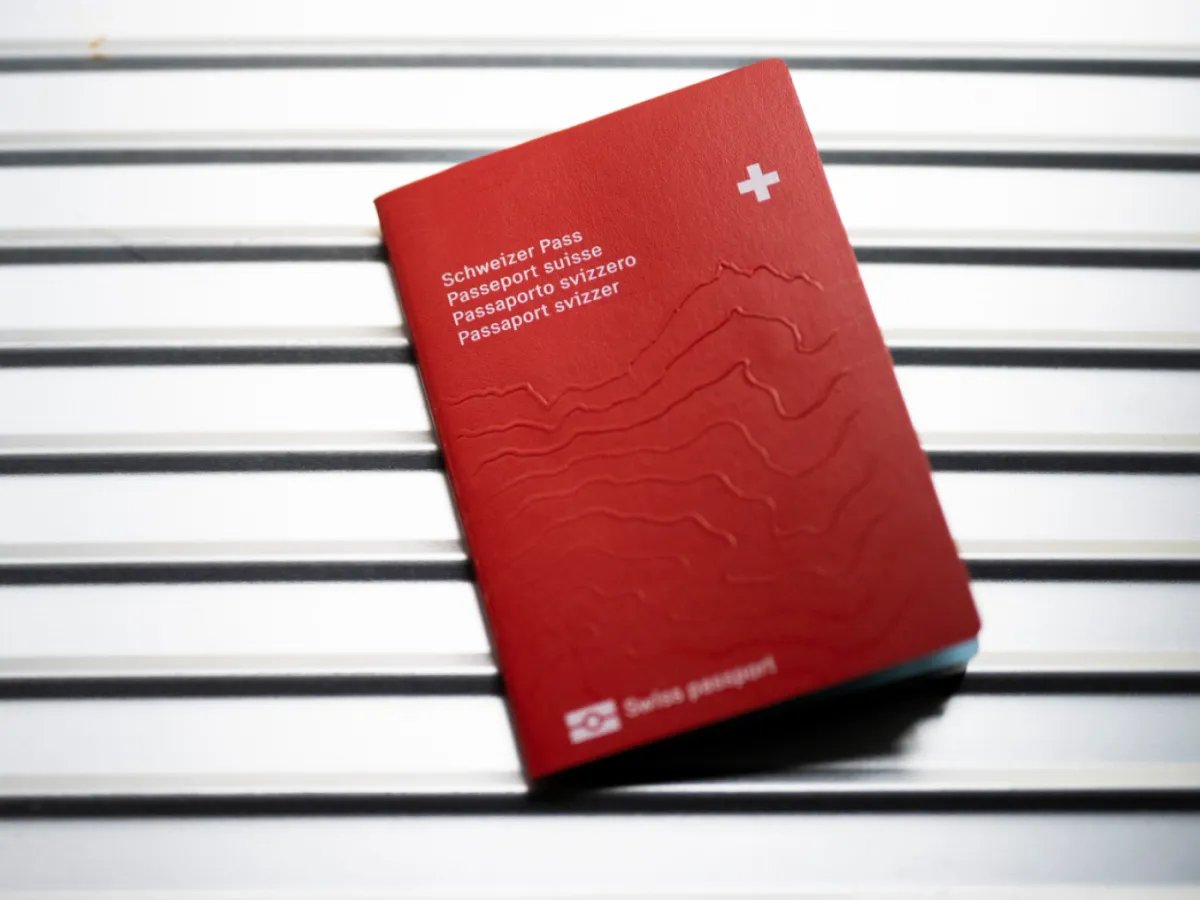
IDENTITY DOCUMENTS: Switzerland is modernising its identity documents and amending the relevant ordinance. From November 1, the current “provisional passport” will be referred to as an “emergency passport”, which should provide greater clarity. Furthermore, in future, identity cards will be explicitly offered in two versions: with and without a chip.
The collection of biometric data – such as fingerprints – for passports and identity cards with chips is clarified, in line with international standards. The fees for the various types of documents have also been revised to take account of the administrative burden and technical innovations. The changes affect all Swiss citizens applying for a new passport or identity card.
AGRICULTURE: A new regime for the management of bovine viral diarrhoea (BVD) will come into force on Swiss livestock farms. The previous classification of holdings as “not subject to restrictions”, “subject to restrictions” and “subject to restrictions for individual animals” is being abolished. From now on, there will be only two categories: “BVD-free” or “not BVD-free”, the Federal Food Safety and Veterinary Office (FSVO) has announced.
From November, BVD-free farms will be able to move animals without restrictions. For non-exempt holdings, however, restrictions will apply. The new regime marks the end of a two-year transitional phase towards the elimination of BVD in Switzerland. The FSVO is, in fact, pursuing the objective of eradicating the disease. To date, over 99% of cattle holdings are free from the virus.
+ How we produce news in English
Translated from Italian, reviewed by an English Department journalist.