Shipping agents are required to correct shipping information immediately or be liable for:
Car owners’ data is under scrutiny before customs clearance
Correct errors quickly to avoid vehicles remaining in ports
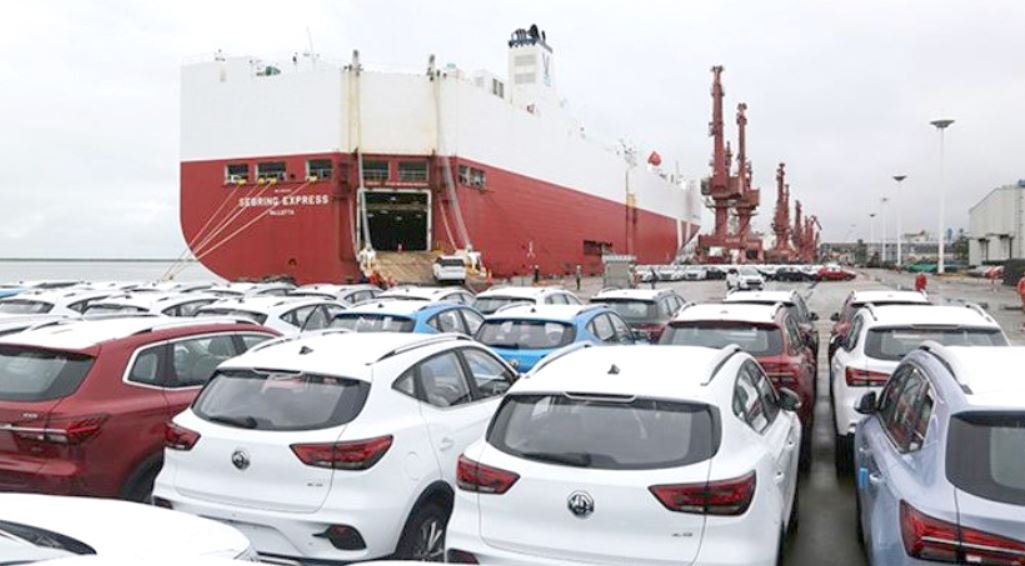
Vehicle import operations are moving towards greater regulation and accelerating the procedures for cars to enter the national market, in conjunction with addressing some of the technical and administrative problems that appear in shipping documents, especially those related to the data of vehicle owners. These errors may delay customs clearance procedures and the receipt of cars within the required deadlines, and may also result in additional costs during the waiting period, which requires correcting them quickly and holding the party responsible for the error responsible for the expenses resulting from the delay.
In this context, the General Directorate of Merchant Marine and Ports, affiliated with the Ministry of Interior, Local Governments and Transport, sent an instruction to maritime agents, warning of the continued recording of errors in shipping documents for imported vehicles, especially those coming from China, calling for them to be corrected as soon as possible to avoid disrupting customs clearance processes and placing additional burdens and costs on citizens.
The instruction, dated September 30, 2026, is No. 267, according to what appears in the document seen by Al-Shorouk. It is addressed to maritime agents, and specifically addresses the problems associated with shipping data and documents accompanying imported vehicles, which may appear upon their arrival at Algerian ports and when customs clearance procedures are initiated.
The Directorate explained that during the recent period, a number of complaints and requests were registered from citizens regarding the difficulties they faced during the process of importing their vehicles, noting that these complaints mainly relate to errors recorded in the documents, which require addressing and correcting the information contained therein before completing the procedures.
According to the instruction, errors appear especially when carrying out customs clearance operations for vehicles upon their arrival at Algerian ports, with frequent errors recorded in the shipping documents issued by carriers or shippers, especially with regard to the identity and data of citizens to whom the vehicles are intended. The Directorate warned that addressing and correcting these errors may take long periods of time, resulting in in many cases a delay in completing the procedures and additional costs, calling on the various stakeholders to intervene quickly to correct the documents and avoid burdening them. Citizens are burdens that have nothing to do with them.
The Ministry stressed that when the registered errors are attributed to the carrier, consolidator, maritime agency agent, or unloading agent, the responsible party must bear the additional expenses incurred at the Algerian port level resulting from the delays caused by correcting the relevant documents.
This instruction comes at a time when the authorities are moving towards improving the conditions for processing import operations and accelerating procedures related to goods and vehicles at the level of border crossings. The recent period witnessed measures aimed at reducing the delays for processing imports and improving coordination between the various intervening departments, thus allowing to avoid goods and vehicles remaining for longer periods than necessary inside the ports.
The new emphasis also comes in the context of a broader trend towards digitizing and simplifying procedures related to foreign trade, processing files via digital platforms, and reducing the deadlines for studying applications, which are measures that the authorities are betting on to facilitate the operations of economic operators and improve the smooth movement of goods.
These procedures are of particular importance for the automobile market, given the multiplicity of those involved in the process, from the importer, the agent, and the shipper to the sea carrier and the departments in charge of control and clearance, which makes the accuracy of the information included in the documents from the beginning of the vehicle’s journey an essential factor to avoid re-correcting it upon its arrival at Algerian ports. The applicable rules confirm that the conformity examination of imported vehicles is carried out at the level of port facilities, temporary warehouses, or customs warehouses before customs clearance.
In the same context, the Directorate reminded unloading agents who hold a Muslim accreditation from the guardian ministry that they are not allowed to undertake directly or on their own account the operations related to the import of vehicles or any other goods, unless they have been previously assigned to do so by the relevant complex to work in its name and for its account.
The Directorate called on maritime agents to strictly implement the provisions of the instruction and strictly comply with the regulatory provisions, especially Executive Decree No. 20-348 of November 23, 2020, which specifies the conditions for practicing auxiliary activities for maritime transport, stressing that respecting these rules would reduce errors that lead to disruption of clearance operations.
It also stated that violating the regulatory provisions may lead to the application of administrative measures and penalties stipulated in the applicable regulation, in accordance with the provisions of Article 33 of Executive Decree No. 20-348 referred to in the instruction.
The General Directorate of Merchant Marine and Ports called on the various stakeholders to take all necessary measures to ensure the rapid processing of corrections that fall within their responsibilities, and to avoid any delay that would lead to citizens being charged additional costs.
She confirmed that the instruction applies from the date of its notification, in a step aimed at controlling the responsibilities of the various parties involved in the loading and unloading operations, and preventing the consequences of errors in the shipping documents from being transmitted to the citizen, who in some cases finds himself forced to pay additional costs due to the delay in settling his vehicle’s file.