
Listen to this article
Estimated 4 minutes
The audio version of this article is generated by AI-based technology. Mispronunciations can occur. We are working with our partners to continually review and improve the results.
Warning: This story deals with topics such as suicide and the death of children.
New details are emerging about the death of a four-year-old Inuk girl, as Quebec’s health authority launches a major investigation into the care of Montreal’s English youth protection system.
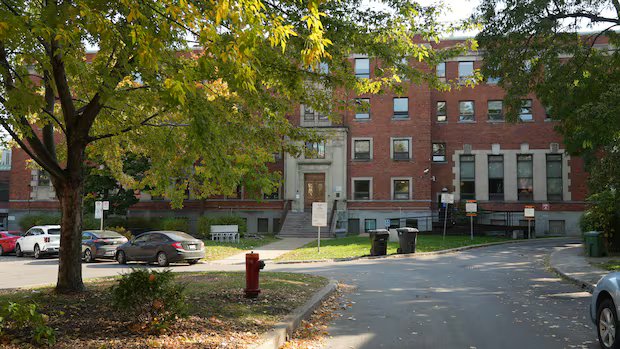
The investigation by the Bureau de l’inspectrice nationale, an office within Santé Québec, was triggered following the deaths of two teens and the four-year-old girl within weeks of each other in March while under the care of Batshaw Youth and Family Centres.
In an emailed statement to CBC News, Santé Québec said the inspectors are collecting data, reviewing documents and conducting interviews.
“Several witnesses have been interviewed or are in the process of being interviewed, while others are waiting,” the statement read, adding that a final report will be submitted to the relevant authorities once the analysis is complete.
The launch of the investigation was first reported by Radio-Canada, which also revealed new details about the case of the four-year-old girl.
The girl’s mother is originally from Nunavik and, at the time of her death, the Inuk girl was back with her biological family after being placed in a foster family in Montreal for several years, according to Radio-Canada.
The last home visit by a Batshaw worker specified that the little girl was unwell and needed to be examined by a doctor. The parents were reluctant to consult a doctor due to mistrust of white medical professionals, sources told Radio-Canada.
No Batshaw worker reportedly returned to do a follow-up home visit afterward — a visit which should have been considered urgent and carried out in the following days.
The girl was pronounced dead in a Montreal hospital on March 31, according to Radio-Canada.
‘No one was assigned to follow up’
A Batshaw employee told CBC News the death of the four-year-old girl exemplifies systemic problems within the agency, particularly when it comes to monitoring children after they return home.
“No one was assigned to follow up,” said the worker, whom CBC News agreed not to identify out of fear of professional reprisal. The worker noted that the situation has improved in the months since, with a new follow-up team ensuring greater oversight.
Alexandra Boisrond, a union representative for Batshaw workers, said employees have struggled to overcome staffing shortages and increasingly complex cases.
“There’s a constant feeling of stress, because you have really passionate people that are working there,” Boisrond, head of the APTS union for Montreal’s West Island, said in an interview.
“They want to give their best to the kids that they service. However, they have caseloads that are not easy to manage.”
A spokesperson for Santé Québec – Ouest-de-l’Île-de-Montréal – Universitaire, which oversees Batshaw, declined to comment on specific cases, citing privacy reasons, but said Batshaw would collaborate with investigators.
Spokesperson Emmanuelle Thériault said since April 2026, measures have been put in place to strengthen oversight of families at Batshaw, and bolster the number of staff available.
“Our priority remains ensuring that children, youth, and their families receive the support and follow-up they need,” said Thériault.
According to documents disclosed through an access-to-information request, a total of 18 children have died while under the protection of the English youth protection services since 2019. Further details were not disclosed by authorities.
The second death under investigation concerns a 16-year-old who took her own life on March 6.
She ended her life while housed at the Prévost Youth Rehabilitation Centre in the Laurentians. The facility falls under the Batshaw Youth and Family Centres in Montreal. Another individual waiting for care under Batshaw, a 17-year-old boy, also died by suicide on March 17.
The Quebec Human Rights and Youth Rights Commission is conducting its own investigation in parallel with the one carried out by the Bureau de l’inspectrice nationale, according to Radio-Canada. Quebec’s coroner’s office is also investigating the three deaths.
If you or someone you know is struggling, here’s where to look for help: