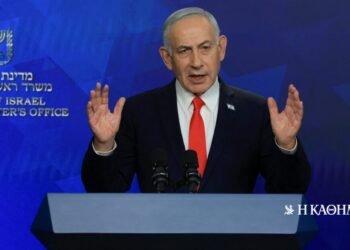
THE Benjamin Netanyahu had bet that the joint Israel-US war against him Iran it would lead to the overthrow of the theocratic leadership in Tehran and strengthen him politically ahead of domestic elections, casting him as the “architect” of an American-Israeli alliance that would reshape the Middle East.
Instead, Israel’s longest-serving prime minister is now on a collision course with Trumpas the American president seeks to disengage from the war. Both men’s goals remain unfulfilled, while Israeli military operations remain mired in Lebanon, Reuters reports.

Public “restraint” and private rage
For now, Israeli officials appear reticent in public, fearful of angering their most important ally, who is known to be intolerant of criticism.
However, in private conversations, the frustration is palpable. The tentative deal is “shameful for Israel,” a senior Israeli official said. on condition of anonymity, adding a disarming assessment: “There is no one in the Israeli leadership who sees the matter differently, from the prime minister to the chief of the general staff.”
Washington makes it clear that over the next period, as long as the truce lasts, it will negotiate final terms that address American and Israeli concerns, especially regarding Iran’s nuclear program.
However, Israeli officials told Reuters that they consider it possible to extend the negotiation period, which effectively “ties” Israel’s hands.preventing it from taking military action.
The controversy over Lebanon and Trump’s “outburst”.
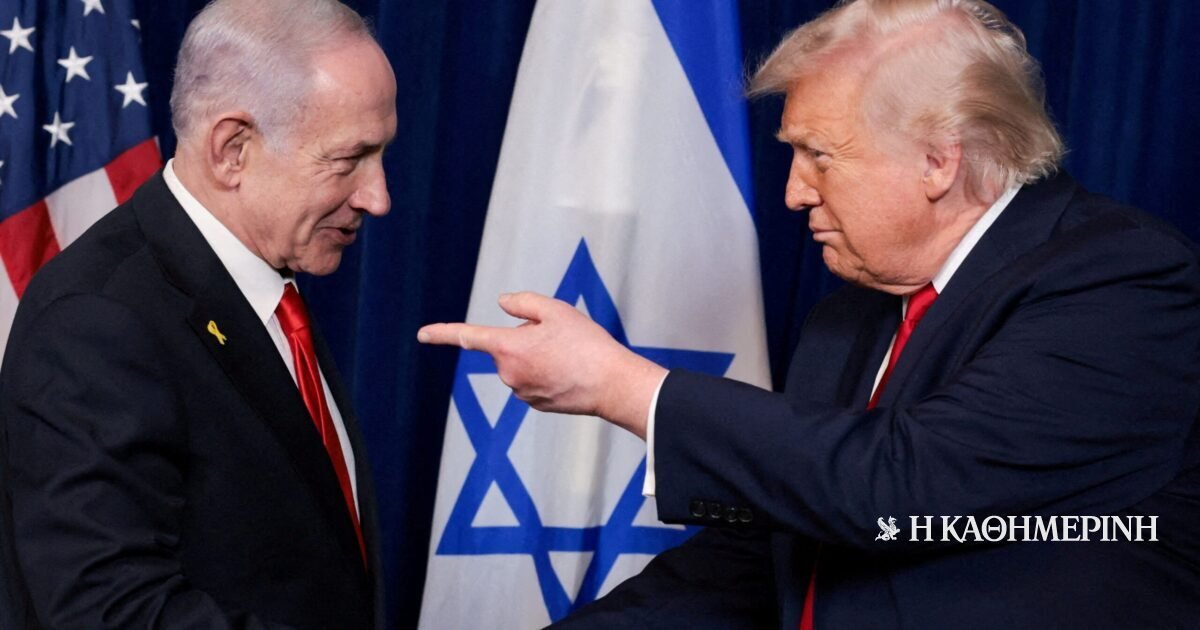
Netanyahu and Trump have repeatedly clashed over Israel’s refusal to scale back its operations against Hezbollah in Lebanon, as a cessation of hostilities on all fronts is a key demand of Tehran.
Earlier this month, in an episodic phone call, Trump singled out Netanyahu “absolutely crazy”, demanding that he not strike Beirut while the US pursued a deal with Iran. Netanyahu called off the attacks that day, but a week later they hit the southern suburbs of Beirut, Iran responded with missile strikes against Israel, and Trump publicly rebuked both sides.
Netanyahu’s political future
Netanyahu is now more willing to go against Trump. On the one hand, polls show he will lose the fall election. On the other hand, he sees that Israeli public opinion has begun to seriously doubt whether the American president really cares about Israel’s security.
“This is a tense moment of diverging interests,” said Dan Shapiro, the former US ambassador to Israel. “He will try not to openly oppose (the deal), so as not to get into a fight with Trump, but he will make it clear that Israel is not bound by it and maintains freedom of movement.”
The memorandum of understanding between the US and Iran is expected to be signed on Friday in Switzerland. Although the exact terms have not been fully disclosed, Pakistan – as the mediator – has indicated that the agreement provides for permanent cessation of military operations on all fronts, including Lebanon.
Israeli Defense Minister Israel Katz said on Monday that troops would remain “indefinitely” deployed in the “security zones” Israel has seized in Lebanon, Syria and Gaza to eliminate threats. “If Iran attacks Israel because of the events in Lebanon, we will hit it with all our force,” Katz said.
The end of a story
Netanyahu, who in the past often defied Washington (under Obama and Biden), had established himself in the Israeli consciousness as the only politician who could handle Trump. Earlier, his narrative was based on the transfer of embassies to Jerusalem and the “Covenants of Abraham”.
But the current US-Iran deal undermines Netanyahu’s argument that his close relationship with Trump makes him stand out from the other prime ministerial contenders. As Jonathan Reinhold, a political scientist at Bar-Ilan University, notes: “Netanyahu will not be able to ‘sell’ this deal to the Israeli public. The best he can hope for is that no deal is reached and the war starts again in 60 days, to the benefit of Israel.”
THE Eli Cohenthe Netanyahu government’s energy minister, made it clear that Israel is ready to act, even on its own, if Iran retools its nuclear and missile capabilities, though he said the chances of Tehran making such a move during Trump’s tenure are low.
“If Iran attempts to revive its nuclear and ballistic programs, we will be there and we will intervene,” Cohen told Israel’s state broadcaster Kan.
Source: Reuters