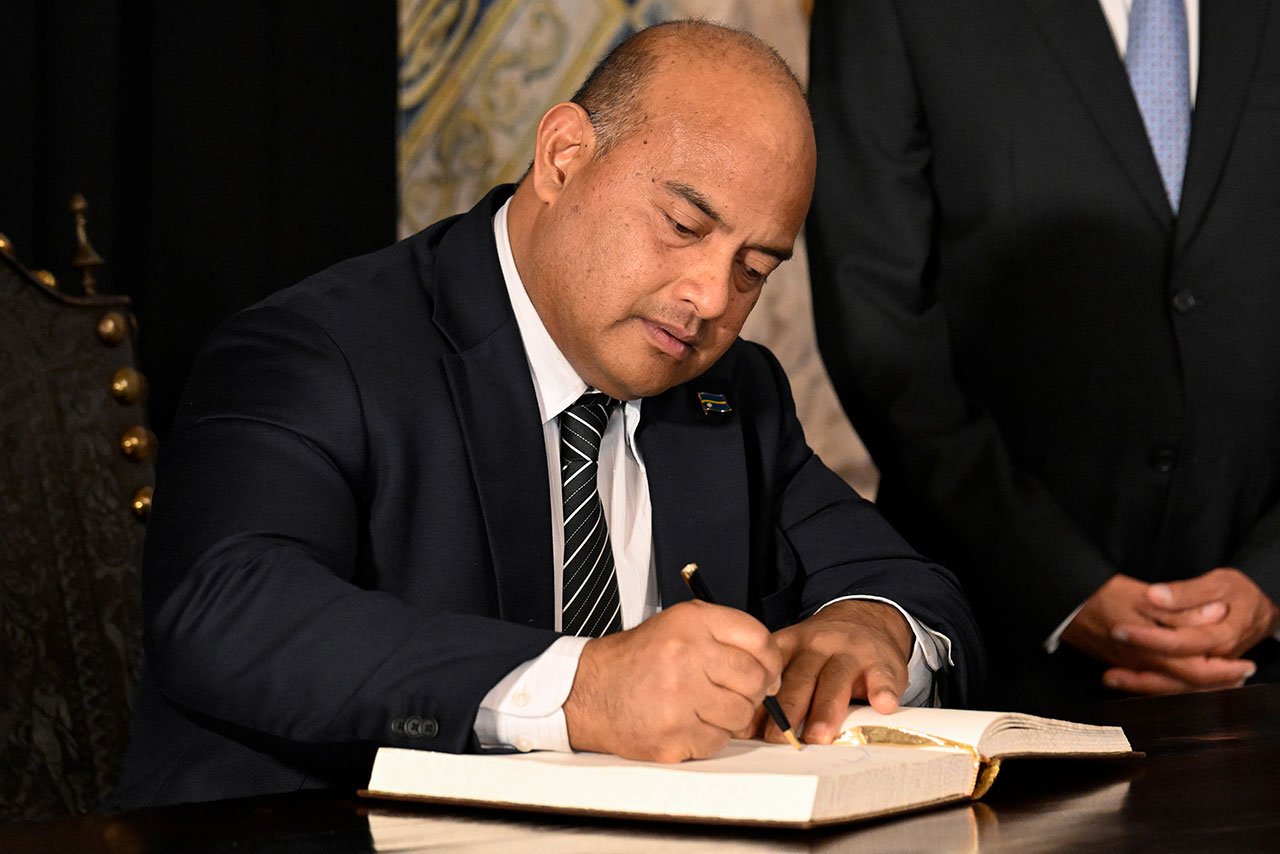
Nauru, a Pacific island nation known for its diminutive size and unique geographic isolation, is making headlines with a significant change: it has officially rebranded itself as the Republic of Naoero. This decision to embrace the traditional Indigenous nomenclature comes as part of a broader effort to honor the nation’s heritage, language, and identity, according to President David Adeang.
Historically, Nauru has faced challenges in garnering international attention, given its status as the third-smallest country in the world, both in land area and population. Yet, the island enjoyed a period of unexpected wealth during the 1970s and 1980s due to its rich deposits of phosphate, derived from calcified guano. During this time, Nauru experienced a brief but lavish existence—building the tallest building in Melbourne, subsidizing a national airline, funding a West End musical, and even allowing for tax-free earnings. The island’s wealth led to extravagant purchases by its citizens, including luxury cars like Lamborghinis, despite having only a limited network of paved roads.
In a nod to its Indigenous roots, the name change back to Naoero—pronounced “Now-ero”—is intended to rectify decades of anglicization. This shift reflects a larger trend among nations seeking to reclaim their identities. The examples are numerous: Swaziland became Eswatini in 2018, partially to assert its national identity; Turkey announced it would prefer to be recognized as Türkiye in 2022 to shed associations with an unflattering bird; and North Macedonia agreed to modify its name to resolve a long-standing diplomatic dispute with Greece.
Countries adopting new names often do so as a symbolic gesture of change or independence from colonial legacies. Nations like Zambia and Zimbabwe have abandoned names tied to their colonial pasts, while others, such as Malawi and Botswana, have reclaimed Indigenous identifiers that better reflect their identities.
Watching international trends, the evolving landscape of national identity is likely to continue. For instance, various Indian cities have reverted to traditional names, and Prime Minister Narendra Modi has occasionally hinted at the nation’s official Sanskrit name, Bharat. Meanwhile, Georgia’s dual identity, as it shares a name with a U.S. state, raises questions about its cultural representation.
Notably, in New Zealand, a significant movement for renaming the country Aotearoa—a term that translates to “land of the long white cloud”—demonstrates a similar desire to reconnect with Indigenous heritage. South Africa and Fiji have also seen discussions regarding the reclamation of traditional names, highlighting an increasing global trend towards redefining national identities.
As Nauru embarks on this new chapter as the Republic of Naoero, it serves as a poignant reminder that names are not merely identifiers but vital expressions of cultural heritage and national pride. The shift not only invites a re-evaluation of Nauru’s global identity but also exemplifies a growing pattern among nations reclaiming their narratives in an increasingly interconnected world.