he National Museum of Indonesia, nestled in the heart of Jakarta, celebrates its 248th anniversary this year with renewed facilities, new exhibitions and ongoing development plans.
Founded on April 24, 1778, as the Bataviaasch Genootschap van Kunsten en Wetenschappen (Batavian Society of Arts and Sciences), the museum has grown into Indonesia’s largest, with around 190,000 objects in its care, ranging from prehistoric fossils and Hindu-Buddhist sculptures to ancient coins, royal heirlooms and artifacts linked to the nation’s roots.
The institution has also endured upheaval. In 2023, a fire tore through the rear of Building A, damaging part of its neoclassical structure and hundreds of collection objects. Its reopening featured a landmark repatriation exhibition showcasing more than 300 objects returned from the Netherlands.
More recently, the museum received more than 28,000 fossils from the collection of Dutch physician Eugène Dubois, including Java Man, the first Homo erectus fossil ever discovered. Unearthed near the Bengawan Solo River in East Java in the 1890s, the fossils had remained in the Netherlands for over a century before returning to Indonesia. They are now displayed in Building A as part of the permanent exhibition “Sejarah Awal” (Early History).
“This year, another 28,000 fossils from Eugène Dubois’ collection are also scheduled to be returned to Indonesia,” said Esti Nurjadin, head of Museum and Cultural Heritage, a public service agency under the Culture Ministry that manages the National Museum and several other museums and heritage sites, during a press gathering on April 24 in Jakarta.
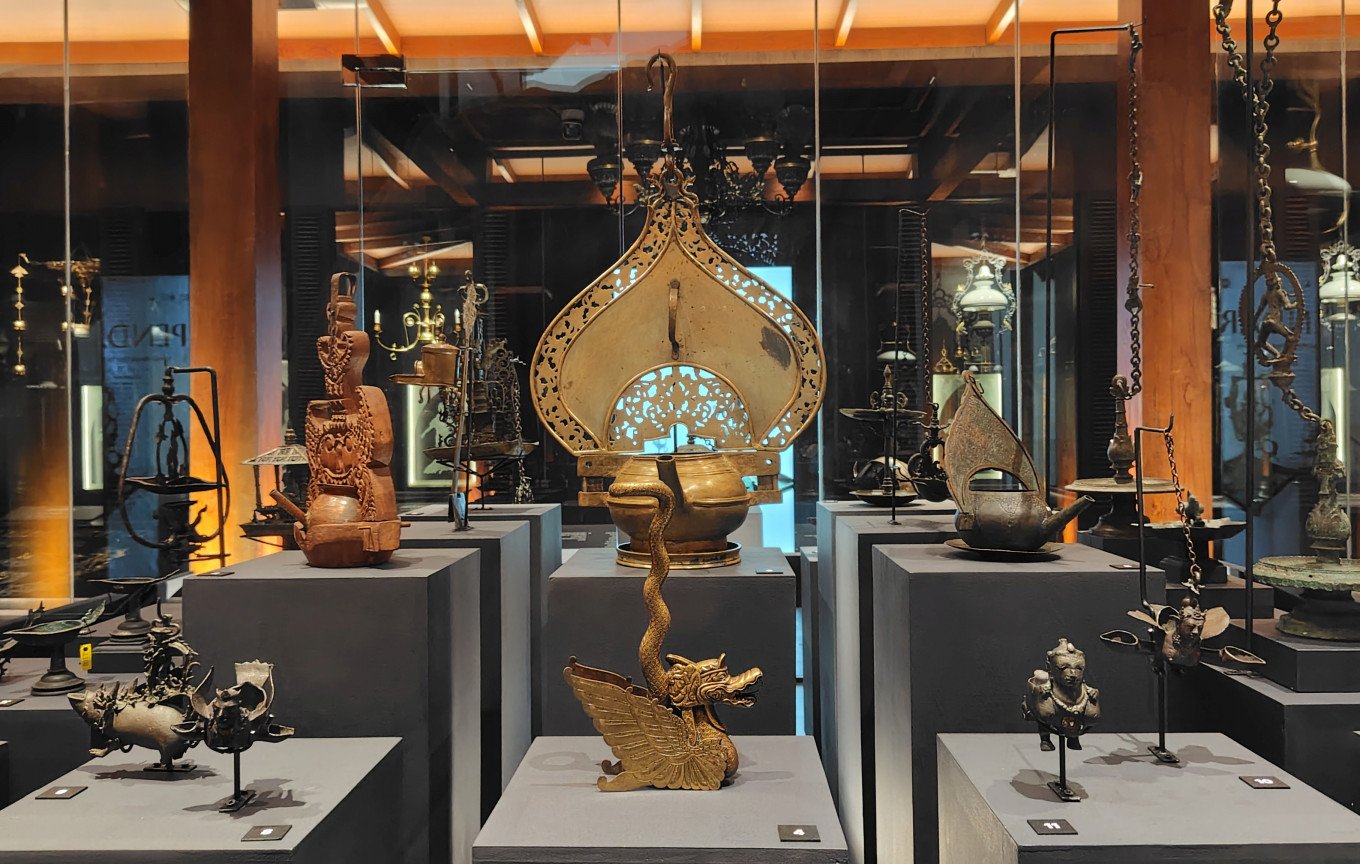
Since reopening, the museum has expanded beyond exhibitions into a gathering space animated by gamelan rehearsals, yoga sessions, concerts and public events. To mark the anniversary, the museum unveiled two new permanent exhibitions and one temporary exhibition across Buildings A and B.
“This year, another 28,000 fossils from Eugène Dubois’ collection are also scheduled to be returned to Indonesia.” — Esti Nurjadin, head of Museum and Cultural Heritage