More young mothers are reluctant to breastfeed because of lifestyle preferences and work commitments, making targeted education more important than ever, registered nurse and midwife Shermena Kirton of the Queen Elizabeth Hospital (QEH) said on Thursday.
As the QEH hosted a Breastfeeding Awareness Month popup booth on the hospital’s ground floor, Kirton said healthcare professionals are encountering more young mothers who are hesitant to breastfeed, but believes education tailored to individual circumstances can help change their minds.
“We get that from the younger generation because they don’t want to get tied up…. ‘They only live once’, you know, ‘living my best life’,” she told Barbados TODAY.
Kirton said career demands were also influencing mothers’ decisions, “They [say] they have careers and they got commitments to the jobs… so they don’t have the time like that to breastfeed. Yeah, we have that challenge, but we’re just trying to educate and try to change the culture.”
The midwife said the approach taken by healthcare workers is to tailor information to each mother’s circumstances rather than offering general advice.
“My thing is that education has to work for the patient. So for example… a mother who’s diabetic… give her the information that if she breastfeeds, her child is less likely to be diabetic… then she might be more willing to try to breastfeed.”
She said explaining how breastfeeding can reduce a child’s chances of developing conditions such as asthma also helps mothers see its value.
“It’s the type of information we use to advise the mothers that will probably get them.”
Kirton acknowledged that many young people focus on immediate concerns rather than long-term health benefits.
“If we don’t show them the importance, then they can neverknow what the importance is,” she said. “People don’t see… everything is short and instant… but if you could set yourself up for a better future, it would be.”
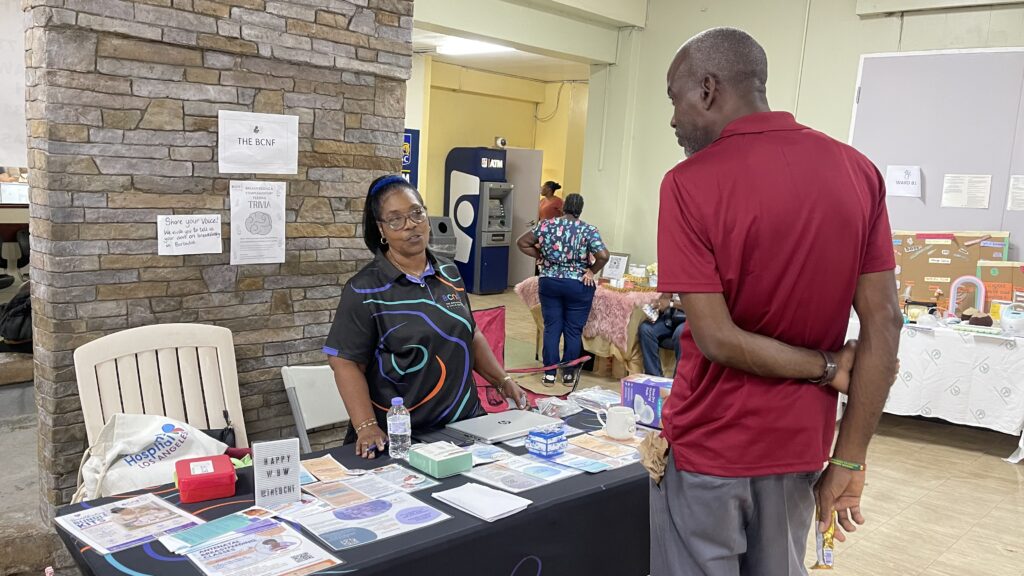
The event formed part of the hospital’s activities for World Breastfeeding Week and Breastfeeding Awareness Month, with displays highlighting breastfeeding techniques, milk storage and the health benefits of breast milk.
Registered nurse Reia Jackman demonstrated practical ways mothers can safely store expressed breast milk while keeping costs down.
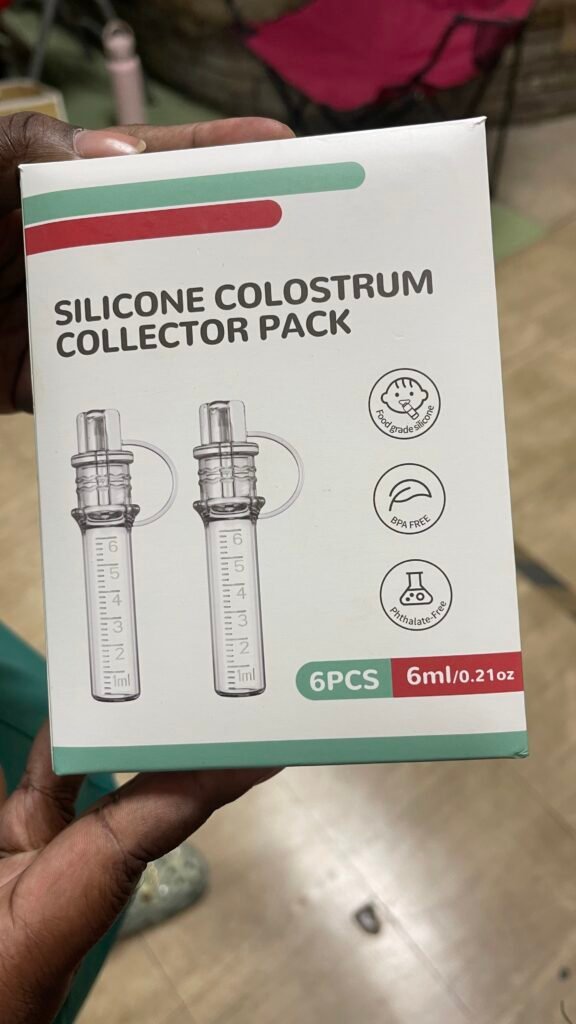
“Since it’s such a small amount, you can collect it in a syringe… and you can put it in the freezer and store it,” she said referring to the colostrum, the first set of milk that is produced after birth.
“For a cost-effective measure, you can get the ice trays… because the bags are not reusable.”
Registered nurse Shanice Forde of the Neonatal Intensive Care Unit (NICU) stressed that breast milk plays a vital role in caring for premature and vulnerable babies.
“For NICU, breast milk is quite important because… breast milk is basically medicine for babies,” she said.
“It helps to lower the risk…. It’s easy to digest for babies, it strengthens the immune system, supports brain development, promotes bonding and reduces [the risk of] infection. So it’s quite important for the babies in NICU to have their breast milk.”
Forde said the NICU’s display also educated parents on breastfeeding positions, breast milk storage and preparation, while reinforcing that breast size does not determine milk production. (LE)