
theAndorran economy he kept the 2025 a rhythm of remarkable growthbut the positive evolution of activity was not transferred in the same way to all sectors. The trade lost workers again and continued to reduce its weight within the labor marketin a context in which the gross domestic product (GDP) real advanced 3.9%. This is the highest growth since 2006 if the years marked by the post-pandemic rebound are left aside.
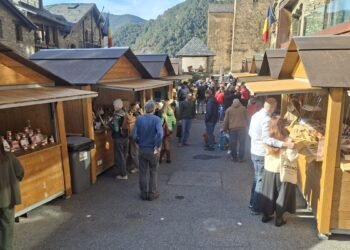
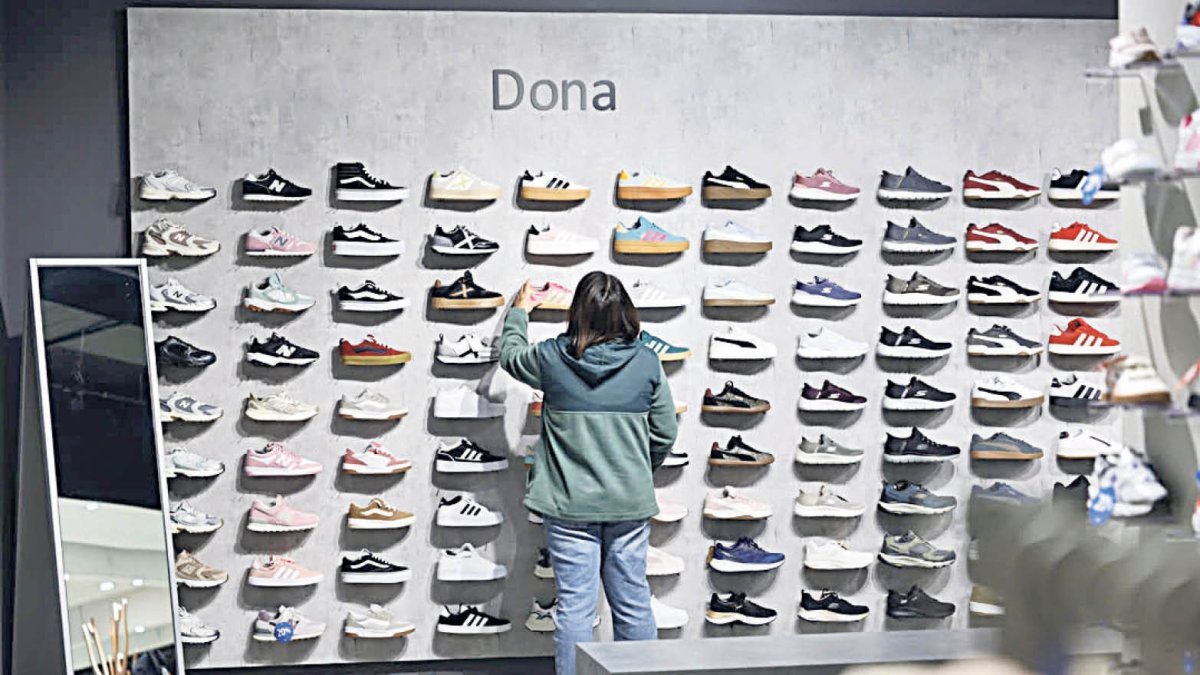
The data collected in theEconomic Report 2025 of the Chamber show that retail trade closed the year with 5,092 employees3.7% less than the previous year. The decline occurs for the second consecutive year and contrasts with the general evolution of employment in the country, which continued to increase during 2025.
Despite the reduction in workers, the number of retail establishments remained practically stable, with 1,466 businessesonly two less than the previous year. The average salary in the sector, for its part, it increased by 4.1%, up to 2,138 eurosan evolution very similar to 4.3% recorded by the economy as a whole.
The trend, however, goes beyond the evolution of a single exercise. Trade has gradually lost prominence within theAndorran labor structure during the last two decades. the year 2005 concentrated 26.7% of the Principality’s employeeswhile the 2025 this ratio has reduced to 20.4%. Thus, despite continuing to be one of the country’s main economic activities, the sector today represents a significantly smaller part of employment.
The chamber relate this weight loss to a transformation of the commercial model which is also occurring in other developed economies. Among the factors noted is the change in consumer habits, which allocate a greater part of the spending on experiences such as accommodation or cateringand the expansion of electronic commerce.
The situation coincides with an exercise of general dynamism of the economy. The actual growth of the GDP of 3.9% evidence that activity continued to expand, but also highlights unequal behavior between sectors. The decline in trade in the number of workers points to a progressive transformation of the composition of employment.
In fact, while trade was losing cash, the set of services increased wage earners by one 2.5%up to 39,337. Real estate activities and professional services were the most dynamic, with an increase of 7.9% of workers. Trade was the only branch of services that reduced employment.
Data on turnover also reflect modest dynamism. The chamber calculates that the sales of the trade as a whole grew by one 2.5%, while investment increased by one 3.1%the lowest rate in the last five years.
The evolution shows, therefore, an expanding economy but with changes in the distribution of activity. The tradetraditionally one of the pillars of the Andorran modelmaintains a relevant weight, but chains two years of job loss and continues to lose ground.
KEYS
- Employment down in trade in the Principality. The retail sector in Andorra links two years of labor decline and closes 2025 with 5,092 employees, 3.7% less than the previous year.
- Less labor burden on the economy. Commercial activity has lost prominence in two decades: it concentrated 26.7% of wage earners in 2005 and now represents only 20.4% of the total.
- Changes in consumption habits. The Chamber links part of the evolution to the new habits of consumers, who spend more on experiences, and also to the expansion of electronic commerce.
- Other economic activities are growing. The set of services gains 2.5% of employees, driven especially by real estate activities and professional services.