Mexico City/Mobility generates consequences among migrant children. Melissa Salas, a collaborator at the Salvation Army shelter, warns of “alterations in their behavior and difficulties sleeping.” According to figures from the National Migration Institute (INM) of Mexico, in 2025, 15,656 girls, boys and adolescents from Cuba, Venezuela, Haiti and Africa were assisted. Of them, 14,655 were traveling accompanied and 1,001 were traveling alone.”
Paulina Antitur, manager of mental health activities at Doctors Without Borders, told the Mexican media South Journal that minors have witnessed extortion of their parents, in addition to “arrests and, on occasions, family separation,” which generates some disorders. “Some minors have difficulty sleeping and make themselves in bed,” he said, referring to those who cannot avoid urinating while sleeping.
Antitur adds that the signs vary according to the experiences of each minor and the protection conditions they have around them, “since sleeping problems, persistent fear and behavioral changes deserve attention.”
Andrea Paola Horcasitas, coordinator of the Human Rights Program at the Universidad Iberoamericana in Mexico, tells 14ymedio that “child mobility can no longer be understood solely as a journey to the United States.”
Andrea Paola Horcasitas tells ’14ymedio’ that “child mobility can no longer be understood solely as a journey to the United States.”
Horcasitas, one of the study coordinators Experiences and perceptions from the voices of girls, boys and adolescentslocated three key regions of the journey. “Tapachula functions as a space of migratory containment; Mexico City as a place where families reorganize their trajectories and begin permanence processes; and Ciudad Juárez as a territory of prolonged waiting and uncertainty due to the closure of options to cross the northern border.”
The professional points out that while for the parents of minors, migrating represents a way to leave behind persecution, violence, insecurity, poverty and lack of opportunities, the children do not know why they left their place of origin. From what it says, it is urgent to listen to minors and “incorporate the voice of girls, boys and adolescents in the decisions that affect them, and reinforce the prevention of violence, exploitation and discrimination.”
Horcasitas emphasizes that “Mexico is no longer just a country of passage, but also a place where they wait, stay and rebuild their lives.” It proposes “strengthening comprehensive protection systems; adapting public policies to permanence scenarios.”
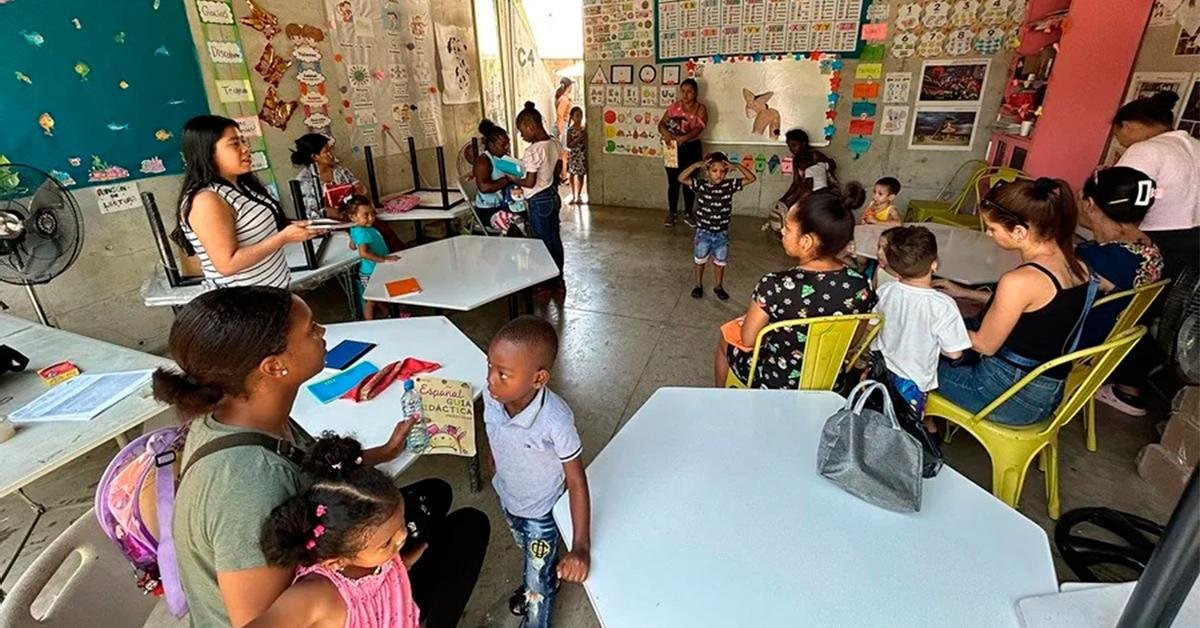
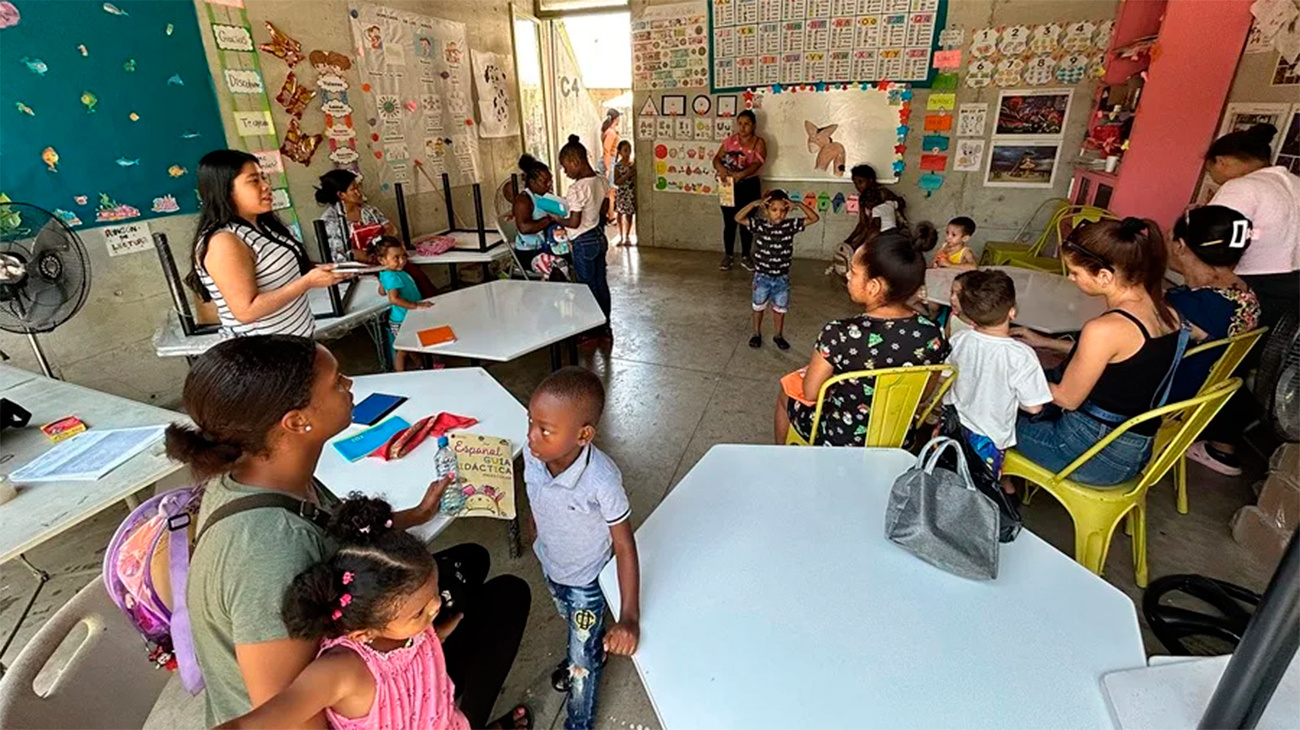
In Tapachula, the main arrival point for migrants due to its proximity to the border with Guatemala, education is provided to minors. However, the need to get a job leads families to move to other states to get a job and settle down.
Although there is no figure on how many Cuban students there are in the state educational system of Chiapas, there is a small sample that could help gauge the presence of minors born on the Island. The program Education Without Borders This year it has 120 students of five nationalities registered in Tapachula. The students are between three and 17 years old and are distributed at the preschool, primary and secondary levels.