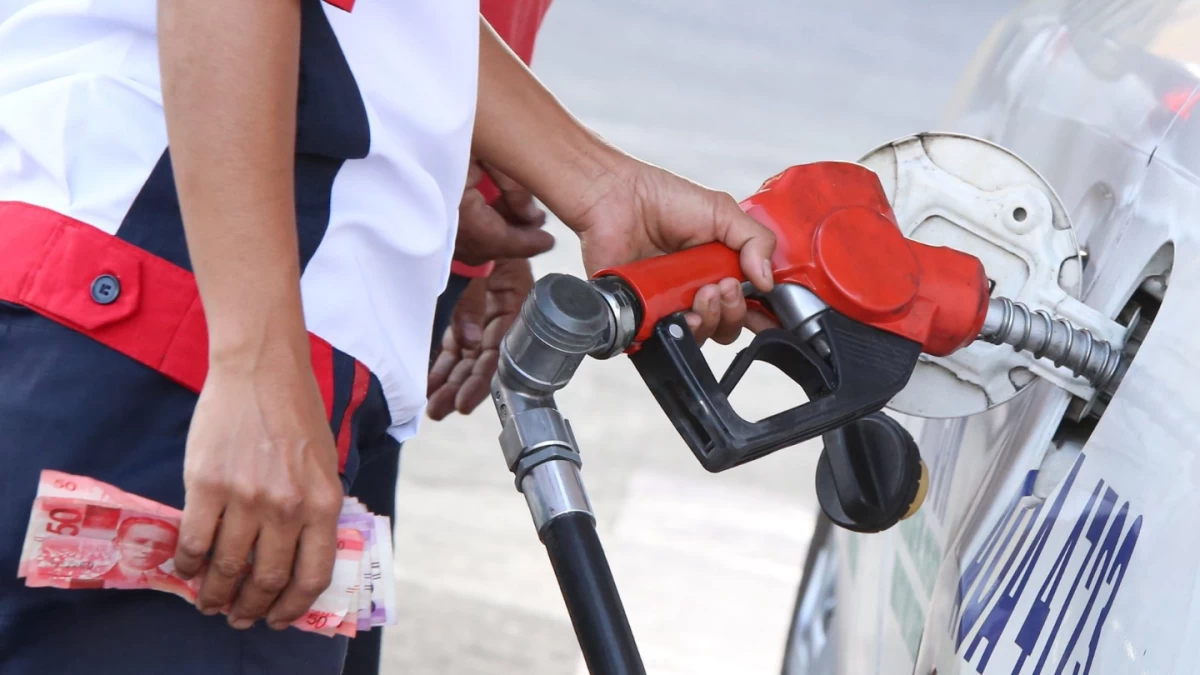
Headline inflation or annual price increases soared to a 37-month high of 7.2 percent in April, mainly as domestic fuel and food prices skyrocketed due to the global oil price and supply shocks caused by the prolonged war in the Middle East.
The Philippine Statistics Authority’s (PSA) latest consumer price index (CPI) report on Tuesday, May 5, showed that last month’s inflation rate was the highest since the 7.6 percent recorded in March 2023.
Food inflation climbed to six percent in April from 2.9 percent last March, while transport jumped to 21.4 percent from 9.9 percent a month ago.
Prices of utilities like housing, water, electricity, gas, and other fuels also rose at a faster pace of 8.2 percent last month from 4.7 percent in the previous month.
PSA data also showed that the purchasing power of the peso fell to a new record low of 0.73, which means the value of ₱1 in 2018 shed 27 centavos to only ₱0.73 in April.
National Statistician Claire Dennis Mapa told Manila Bulletin that based on the PSA’s 2018 series, the month-on-month seasonally adjusted inflation rate of three percent in April was also the highest on record.
This meant that consumers and producers were faced with rapidly higher costs as prices spiked faster last month compared to March, as the global oil crisis continued its impact.
Despite the expected heavy impact of the global oil volatility on inflation, food and non-alcoholic beverages topped as a large driver of April’s inflation rate.
“The risk would be on the food side. because the price of rice, price of fish, and others, right now we’re seeing an increase in fish and vegetables,” Mapa said.
According to PSA, the inflation rate for the bottom 30-percent household spiked 8.5 percent in April, which is also a 37-month high since the 8.8 percent recorded in March 2023.
This meant that the lower-income households have suffered more from price spikes, as most of their consumption has been food and transport expenses.
Moreover, with the expected dry season, PSA chief explained that the demand for more electricity and water will likely affect this month’s overall inflation standing.
“If the price of electricity rises, its weight will be substantial in the inflation basket. In fact, in April, it is one of the top three contributors: housing, water, electricity, gas, and other fuels, and one of them is the price of electricity,” he elaborated.
“If prices of electricity rises, it’ll also substantially increase in the overall inflation rate, especially in NCR [National Capital Region],” Mapa added.
As of April, consumers residing in NCR have felt an increase in their residential rates, as distribution utility giant Manila Electric Co. (Meralco) increased rates by ₱0.5335-per-kilowatt-hour (kWh). This was driven by higher generation charges and the seasonal demand, among others.
Moving forward, Filipinos will likely still experience the effects of the geopolitical tensions, which could create a domino effect on domestic prices.
Michael Ricafort, chief economist at Rizal Commercial and Banking Corp. (RCBC), said that inflation will likely accelerate in the coming months, driven by global and local fuel prices.
“Inflation could still accelerate in the coming months after the continued increase in world and local crude oil/fuel prices, as well as any continuation/lagged effects of second-round inflation effects/chain reaction or higher prices of other affected products to pass on higher transportation and other input costs due to sharply higher fuel costs,” Ricafort said.
Any prolonged conflict in the Middle East will further disrupt energy supply chains in the Strait of Hormuz.