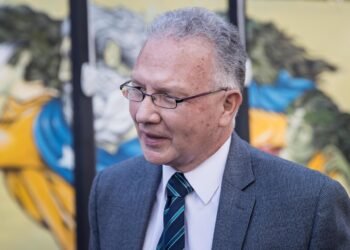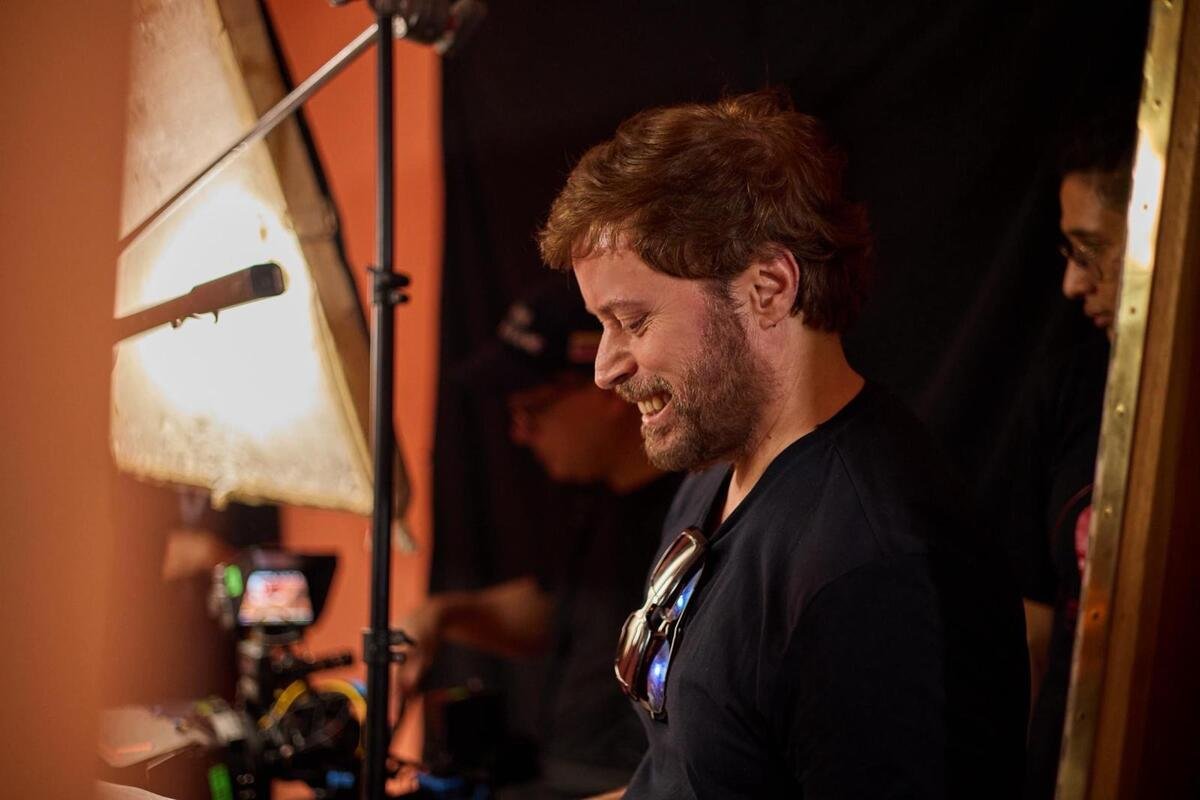
Luis Fernández met Mimí Lazo in 1995 during one of the theatrical productions of The smoking fishthe work written by Román Chalbaud that in 1977 became one of the classics of Venezuelan cinema. At that time, on stage, they were directed by José Ignacio Cabrujas.
A lot has happened since then. Not only are they one of the best-known and longest-lived couples in Venezuelan culture, but they do not stop offering proposals to the public, especially on stage. And now, in 2026, they are bringing a version of The smoking fish quite free and disrespectful of the original. And not in a bad way, but with the author’s full intention of going beyond the proposal of the feature film to disrupt it based on another story.
In the 1977 feature film, Mimí Lazo played Zobeida, a secondary character famous for her controversial nudity at the time. It was one of the actress’s first film roles.
Now, in the version directed and written by Luis Fernández de The smoking fish, the author makes Mimí Lazo play herself, but as an actress who will play La Garza (Hilda Vera) in the filming of a new version of the film. Thus, his feature film narrates what happens inside and outside that recording equipment. A debut feature that will compete at the Mar del Plata Film Festivalone of the class A competitions of the International Federation of Film Producers Associations, like Cannes, San Sebastián, Berlin or Venice.
“It’s a quite irreverent version. Classical purists and nostalgics may feel enormously offended by my boldness, but I have always repeated it several times: if I am going to kill a tiger of that size, and I am going to mess with something so big and sacred, it is better not to be afraid of leather, you have to do it with everything,” says Luis Fernández.
He prefers to be called a filmmaker at this time. For now, he is not interested in acting. Just a role like the one he played in Tamara Ten years ago, when she played the lawyer Tamara Adrián, it could place him in front of the cameras again.
a tribute
Luis Fernández sees his film as a love letter to Román Clahbaud, but also to the Venezuelan cinema that marked him since he was young. “I studied film in 2008. I have a lot of respect for the director’s work, both in theater and in film. It took me many years to dare to direct my first play and much longer to dare to direct a film that is an Everest of decisions, although it really wasn’t my decision.”
It was Mimí Lazo who suggested he make his own version of The smoking fish. And he thought what was the need to do what is already done. “But nothing is impossible for Mimí Lazo. We spoke with Román, he was very excited because Mimí told him that she was going to wear The smoking fish We went to Hollywood and we tried, but everything that needed to happen really ended up happening, which was here. The process took us years,” he comments about what is now his debut feature as a film director.
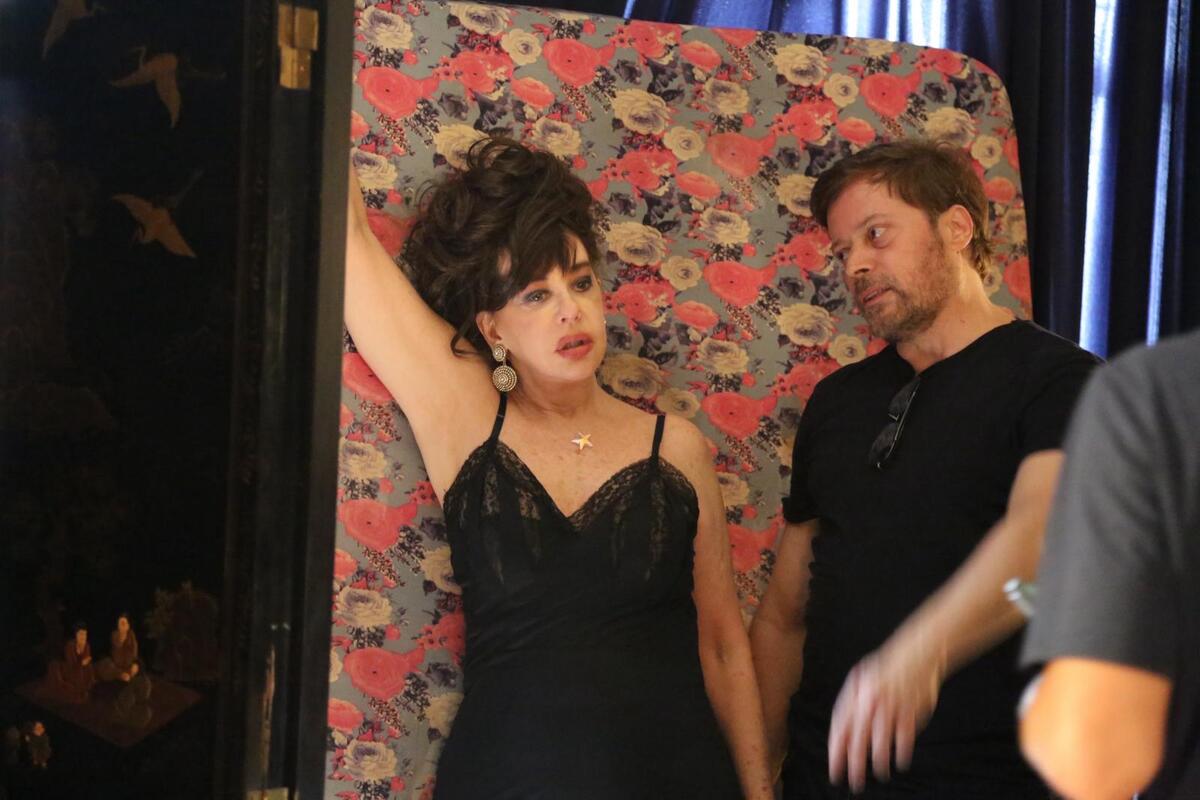
It could have started with a smaller idea, a story without so much weight, that did not generate so much expectation. “It was really pushing myself out of my comfort zone.”
“It is worth saying that we spoke with Román about this idea in 2018. We bought the rights from him, but then he got sick. I would have loved to share this with him more, although I would have been terrified to tell him that I was going to alter his masterpiece.” However, he recognizes that the director of films like Teenage Cain and Crab I would have understood his intention.
another look
Luis Fernández highlights that his version of The smoking fish It is more focused on women. and not like that of Román Chalbaud, who in his opinion has an axis crossed by the characters played by Miguel Ángel Landa and Orlando Urdaneta.
“It is focused specifically on La Garza and the communication that La Garza has with the other women in the brothel. And the man, in this version, is like us men in Venezuela, quite satellites revolving around the real power that is women in Venezuela,” he asserts about the feature film in which Claudia Rojas stands out with one of the key characters of The smoking fish.
But beyond the characters, the Venezuelan director, also known for plays such as It’s not you it’s me or musicals Chicago and spring awakeningalso warns that the film, already in theaters in the country, has several layers to deal with.
“We could scrutinize the issue of the presence of oil as an umbrella that has always determined our destiny, for better and for worse. Oil is the blessing and the great misfortune of the Venezuelan. In 1976, when they shot the film, they were nationalizing it. Now, 50 years later, we are privatizing or selling or giving away, whatever, oil. Something always revolves around oil, a promise that is linked to oil.”
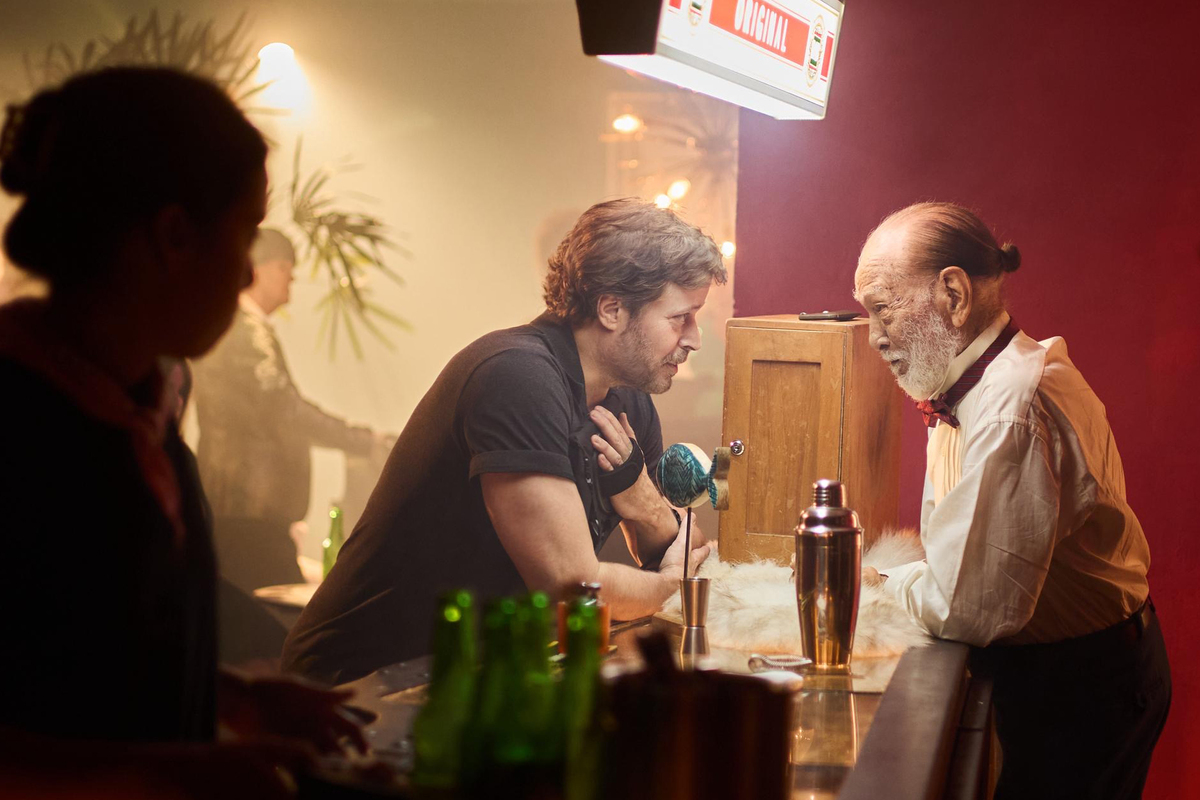
When asked if his film is a reflection of the country, the filmmaker distanced himself from categorical answers: for him, every artistic event should raise questions rather than impose certainties.
Your version of The smoking fish was selected for a class A festival of the International Federation of Film Producers Associationsbut still can’t say which one. Besides, It is one of the 19 feature films that aspires to a Goya Award nomination for Best Ibero-American Film.
It had a one-week technical premiere at Trasnocho Cultural, a necessary requirement to qualify for an Oscar, but in the end the one nominated by Venezuela was Death has no owner by Jorge Thielen Armand. Last week was the premiere at the Chacao Cultural Center, a venue where both Luis Fernández and Mimí Lazo have performed several plays.
“Success is not given to you by anyone and it is something that is not just work, because everyone makes films and they throw a truckload at it and there are many very good films that perhaps are not lucky. But there is also an element of falling into grace, and that is what Mimí has. It is like something metaphysical, that falling into grace. The moment of a work and that people need to see it. That does not happen all the time,” says Luis Fernández about the creative fact and the impact on the public.
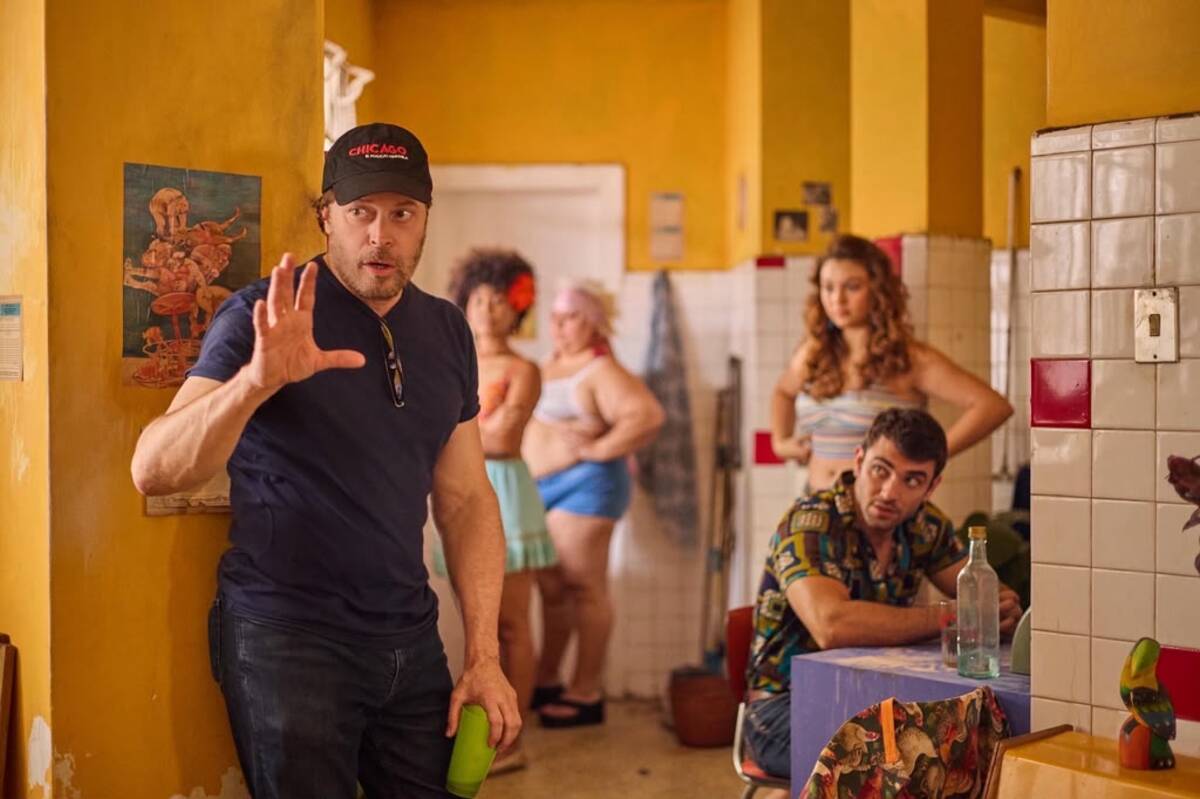
The future
Beyond The smoking fishthe issue of consolidating an industry in the country arises, not only in cinema, but in all cultural activities. He doesn’t have the slightest idea, he admits, but he does review the situation.
He assures that we are in a transition process. He cites the case of Los Angeles where, according to his vision, there is a collapse in Hollywood due to phenomena such as youtubers who make movies and generate 350 million dollars by investing a tiny amount. “That has blown their minds. I think that has happened in all the audiovisual and artistic industries. The soap opera no longer exists, obviously, it died a long time ago. There have been many attempts to revive the corpse of the soap opera – vertical series, microdramas – but I am no one to tell you how I see that, but what I can tell you is that this crisis is temporary on the one hand, but we are building something that did not exist before.”
Now, with theater it is more precise, because it is close to it: “The public is demanding to come to the theater, that’s wonderful; so, how do you respond to that demand when we don’t have theater seasons like the ones we had before?” Mimí and I are used to doing a seasonal year, from Thursday to Sunday at least, and that allows you as a producer to recover financially, it allows the work to evolve.”