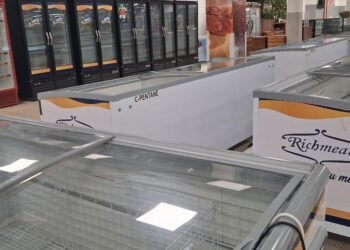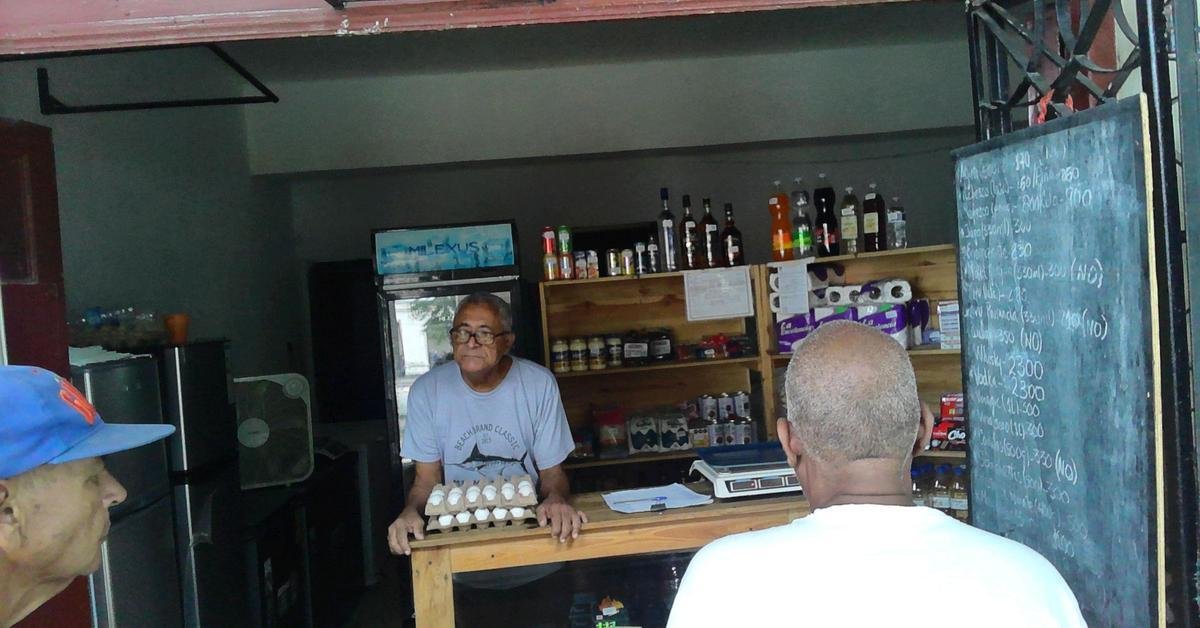
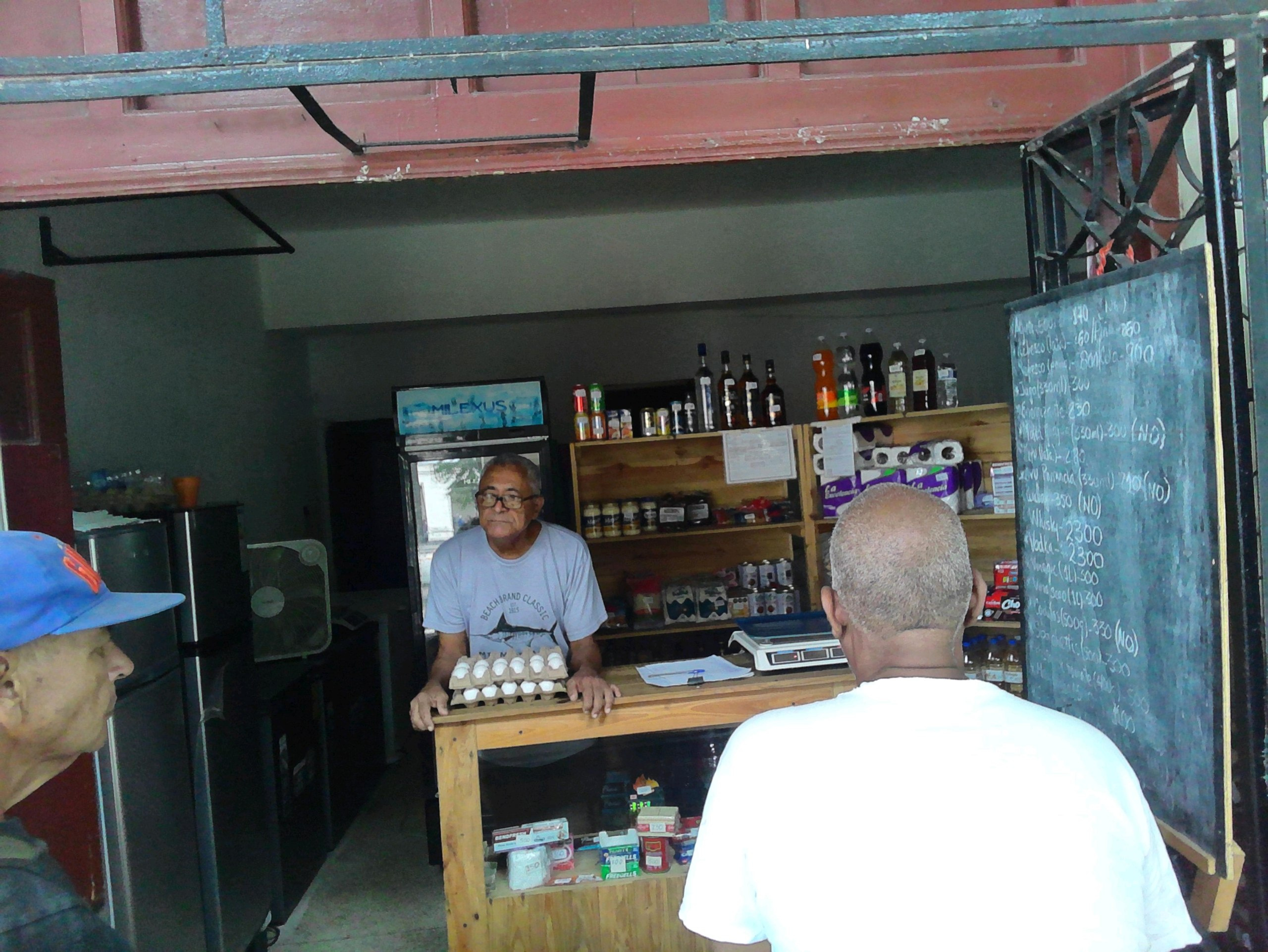
Havana/“Can you sell me just one pound of chicken?” asks a woman who has entered one of the many private businesses on Monte Street in Havana in a pleading tone. But the request hits a wall: “Only the entire package,” the employee bluntly warns. In a city where hours with electricity are increasingly scarce, bringing home several kilograms of food that needs refrigeration is like shooting yourself in the foot.
But small promotions are not only imposed on the plate and in the refrigerators, our lives are also projected in reduced tones. I run into an old acquaintance who must undertake a repair so he can use the shower in his bathroom again. “Why if you don’t know if there will be water or even if, in a couple of weeks, we will still have a country?” he asks himself, in the midst of his paralysis. Forecasting has become so difficult, it’s best to only plan for a few hours; for tomorrow, if ever.
We live in such a narrow present that any medium-term plan seems like an extravagance.
There is a word that has become too big for our reality: future. Before, it included the purchase of a refrigerator, the repair of a room or the August vacation. Now it’s barely enough to decide whether it’s worth defrosting a package of sausages or saving your phone’s low battery for an important call. We live in such a narrow present that any medium-term plan seems like an extravagance.
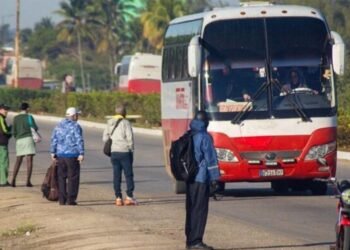
Uncertainty has ended up colonizing everything. Friends who postpone a wedding, parents who don’t know whether to enroll their children in an extracurricular activity, elderly people who miss another doctor’s appointment because they don’t know if there will be transportation or electricity that day. Everything has become provisional. The feeling that any decision can be canceled by a blackout, a breakdown or a new crisis turns routine into a kind of improvised camp.
Perhaps the deepest damage is not the meat that spoils, the water that does not arrive, or the shower that my friend does not repair. Maybe it’s having learned to live without projects. A nation that stops imagining the next month, the next year, or the next decade is a nation that shrinks every day. And when even hope has to be administered in small portions, like that package of chicken that could not be sold by the pound, the true scarcity is no longer in the markets, but in dreams.