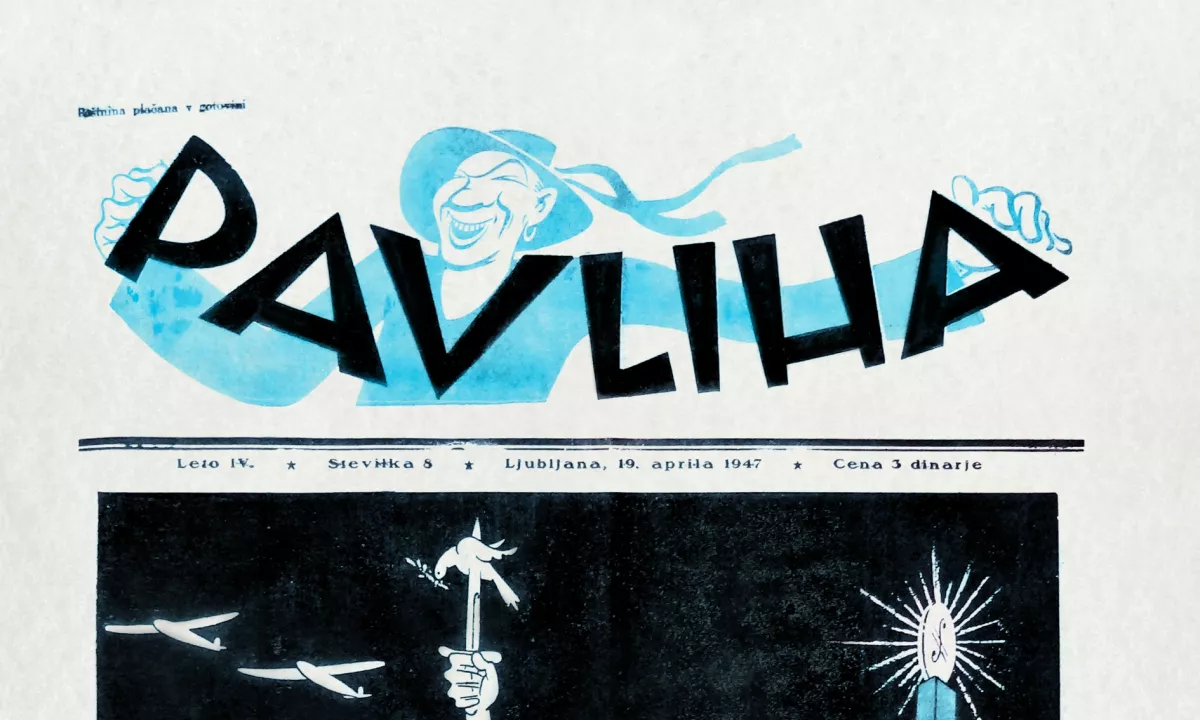
Namely, when I’m in a bad mood and the weather forces rain, I pick up the Collected Writings I-IV, DZS, 1978, by Fran Milčinski. And in the last few days I looked for records that were created in the 1930s. In short.
About the changes in the government: “As soon as a party comes to the helm, each party promptly dismisses and transfers supporters of other parties and installs its own. And she has to hurry to get this deal done while she’s still at the helm. She doesn’t have time for other work anyway.” Ob grivo i shoto, April 29, 1923.
On corruption: “You know, corruption is not just like that. Corruption is deeply rooted in our country; it is grounded in the nation’s history and belongs to its venerable traditions, so to speak, to its culture. Culture should be sacred. In ordinary life, corruption is called a lie and iniquity, and education begins with them, but in political life it is called corruption, and they do not know how to rule without it, and the more cunning someone is, the more they respect him and say: ‘He knows!’ and corruption is in great honor among people.” Corruption, October 5, 1924.
On unparliamentary expressions: “But let no one despair. Because the dawn of a better future is on the horizon. They published a book, it is called ‘Proceedings of the National Assembly’ and it has in the appendix a list of those terms that were announced from the presidency as unparliamentary. ‘Bitanga’ does not tell anyone that he is ‘missing one plank’, nor that someone is ‘the laziest member of parliament’. All three are on the list. There is no need for doubts. When there are enough terms that are not in the list and are then parliamentary until canceled.” Non-parliamentary terms, 15/02/1925.
There are several similar records, for example Zastran street names, 28/06/1923.
And reading these old notes puts me in a better mood. However, I still believe that we should require a “certificate of criminal record” for all our MPs and senior government staff, stating that a particular person has no criminal record.
dr. Ivan Leban, Smrjene, Škofljica