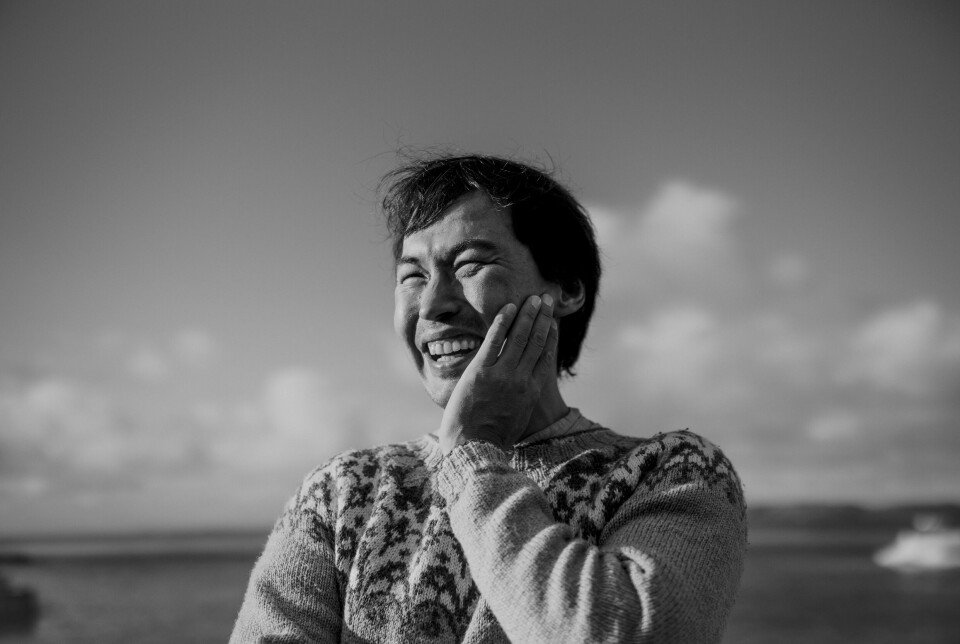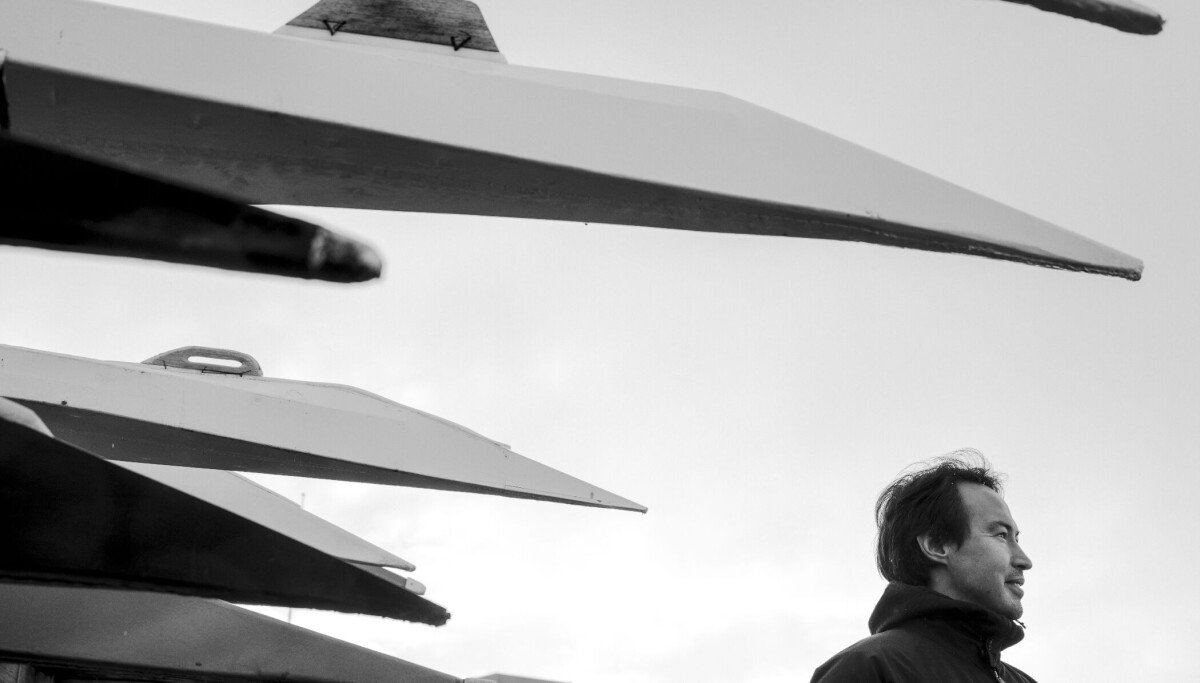
Then Christian Louis When Erni Jensen started trying his hand at kayaking as a child, he made his mother nervous.
She was born and raised in Narsarmijit, the southernmost settlement in Greenland, and when she was a child, it was not unusual for people to disappear when they sailed out to sea in qajaq.
– So she was quite skeptical at first, recalls Kristian Louis Erni Jensen.
But there was nothing to do. If you believe in fate, Kristian Louis Erni Jensen’s was set the moment he squeezed into the narrow boat and took the first strokes with the paddle.
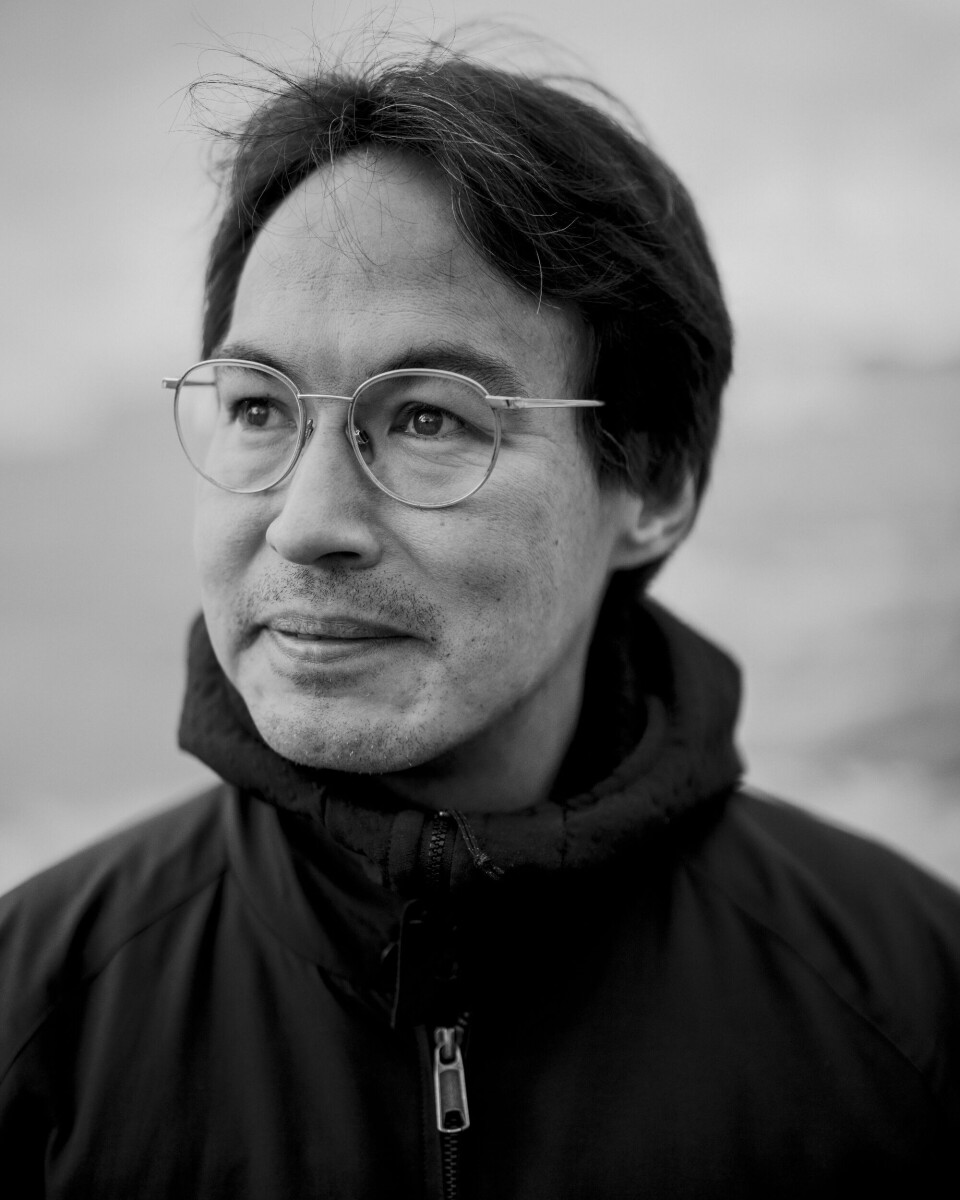
Kristian Louis Erni Jensen is a researcher, marine environmental activist and kayaker. He lives in Lofoten in Northern Norway, where he works as a manager at a marine environment restoration center and runs his qajaq business Purpose Paddling.
I once stood on a bank in Svalbard under the midnight sun, and I have never seen so many whales in one place in my life. There I knew that I had seen enough and that I now wanted to help protect what I had seen
When Sermitsiaq meets him in Nuuk, he and his mother have been in Greenland for three weeks to complete a four-year-long documentary project entitled ‘Black Carbon’, in which he participates. In fact, he is the main character in it.
Kristian Louis Erni Jensen has been to Greenland many times, but this trip has been very special, he says.
– My mother has been with me this time, and for the first time since she moved from her hometown, we managed to get to Narsarmijit, he says.
– And then I have actually decided to move to Nuuk.
Hero mother
Down by the water’s edge on Nuup Saava, you can almost just make out Sassuma Arnaa’s head.
It is high tide, and the waves are lapping up on the beach that Kristian Louis Erni Jensen has just left. He is stopped by the kayak club’s racks.
The day before, Kristian Erni Louis Jensen wrote a post on Facebook in the hope of being allowed to borrow a kayak from someone in town, but without success.
– It was also at short notice, I know, but I was still surprised by how high the threshold for borrowing a kayak seems to be, he says.
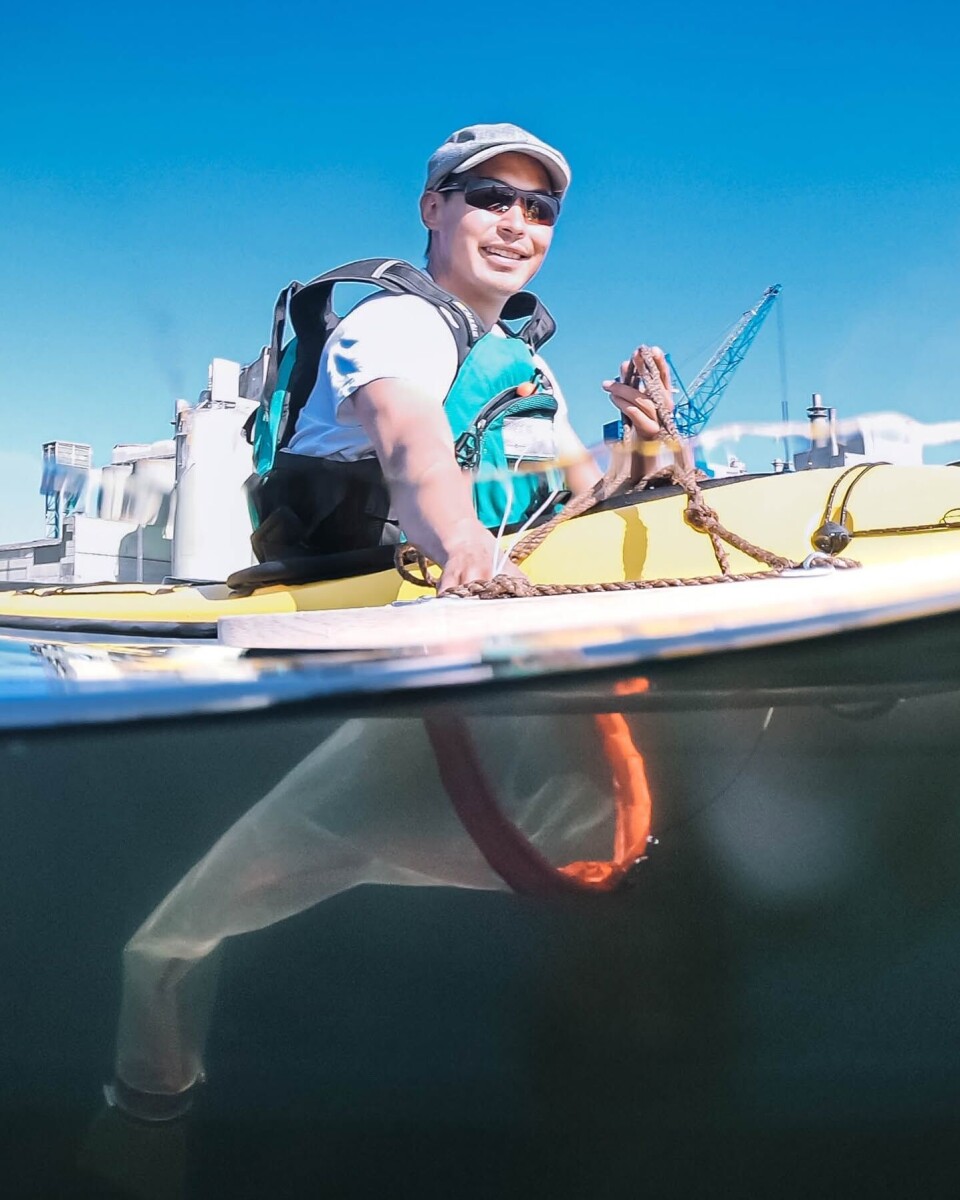
Kristian Louis Erni Jensen does not remember how old he was when he first got into a kayak. But he remembers the feeling that it was safe.
He set out to sail in a wide kayak that was difficult to capsize. He sailed straight ahead, back and forth along the coast, while there were always people on shore watching.
He always pestered his parents to be allowed to come out and sail again. However, it was only when he reached adulthood that he really got the opportunity to take courses and practice. Since then, kayaking has been an integral part of Kristian Louis Erni Jensen’s life.
– It became the way I could get close to everything I didn’t understand about the sea, he says.
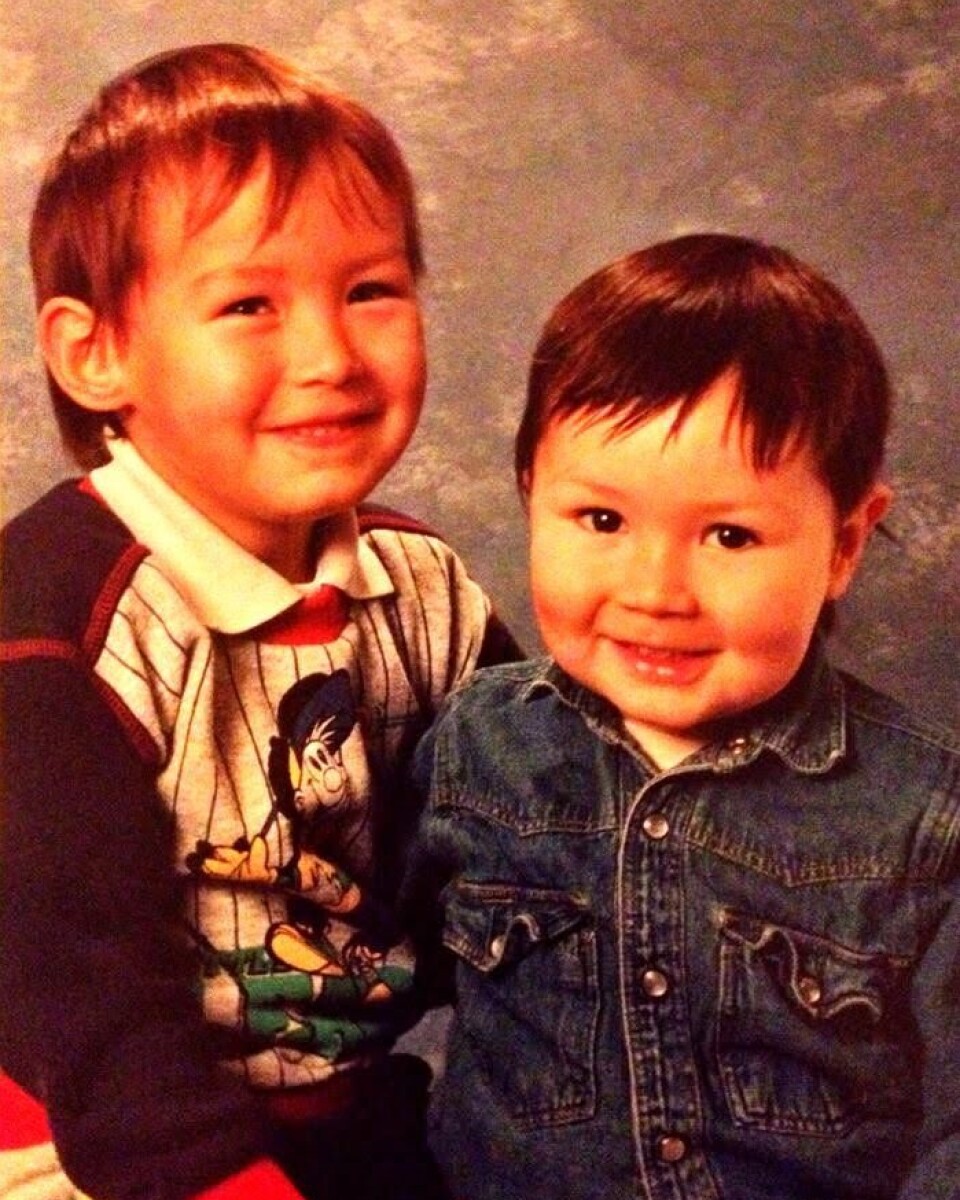
Kristian Louis Erni Jensen was born on 29 April 1988 – into a small family, where conditions were tight, but where the will to overcome all the difficulties was strong.
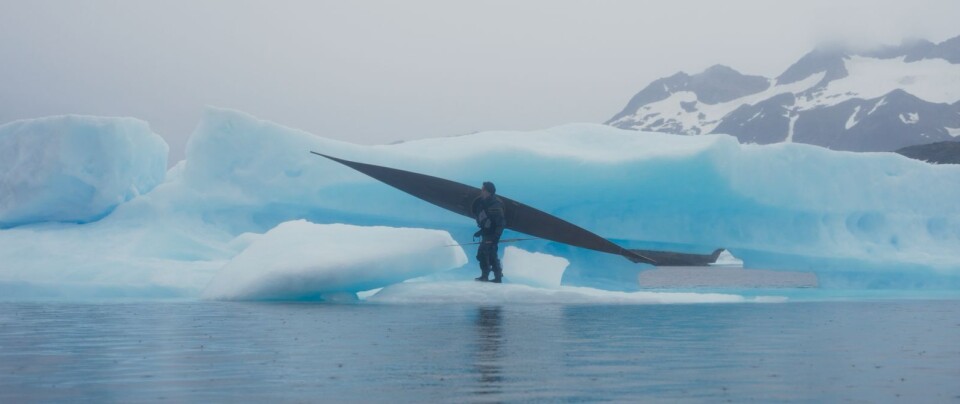
It was also necessary, because even though there was a lot of love in his childhood home, Kristian Louis Erni Jensen’s family has carried various generational traumas with them, which has also left its mark. His mother was one of the girls and women who, from the 1960s onwards, involuntarily had an IUD set up by Danish doctors.
The fact that she gave birth to two boys, first Kristian Louis Jensen and then his younger brother Kasper Angut Jensen, she sees today as a miracle, because she was convinced that she could not have children.
Today, Kristian Louis Erni Jensen’s mother is a daily source of inspiration for him, and he smiles when he talks about her.
– We’ve been through a lot together, and I actually don’t think there’s anyone cooler than her, he says.
Occasionally, however, he has to remind himself that his 74-year-old mother grew up in a time without the Internet, Facetime and ChatGPT, and where houses were built of stone and moss, and food was something you caught.
– Sometimes I am embarrassed that I have occasionally become angry when she has not been able to figure out how to use her IPhone.
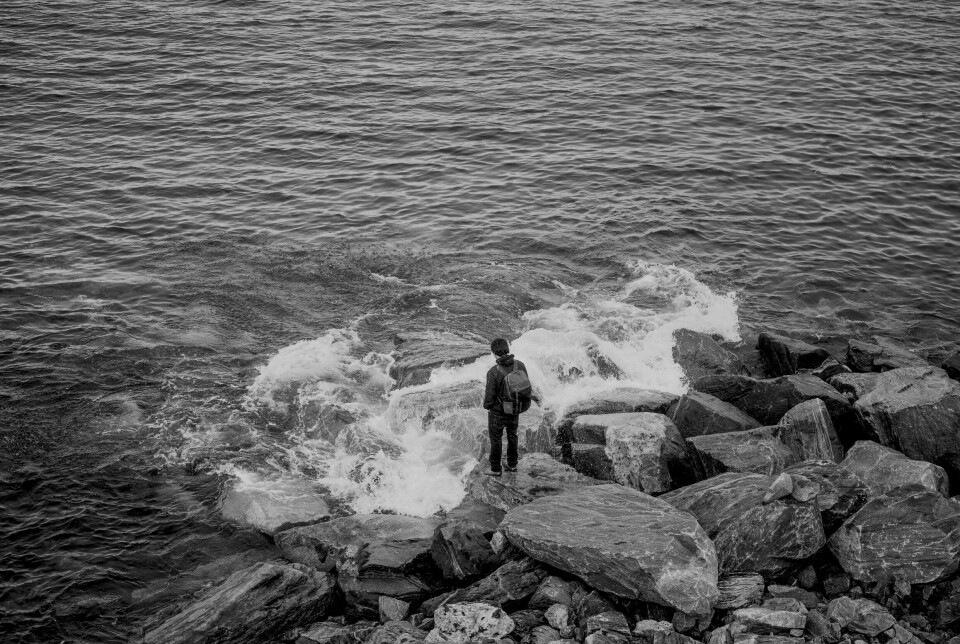
Kristian Louis Erni Jensen’s laugh comes from the bottom of his stomach.
In addition to his Greenlandic roots from his mother, Kristian Louis Erni Jensen also has Norwegian and Danish roots from his father.
– I usually call myself scandal hubhe says and smiles.
Regardless of where Kristian Louis Erni Jensen was as a child, the sea and nature have had an enormous importance for him. Whenever he was close to the sea, he ran down to the water’s edge. It was here that he found peace.
Everything from homework to activities with the family preferably took place outside. He did a lot of skateboarding with his friends.
– But then I found qajaqhe says.
After high school, he spent some time traveling around in an RV until he realized that he didn’t want to be a lawyer or a doctor, but that he was passionate about taking people out into nature.
This led to him moving to Norway in 2013, where he took a bachelor’s degree in Outdoor Guidance. He then ended up settling in Lofoten, where he was based while he traveled the world as a kayak leader.
Car tires at the bottom of Sermilik
In addition to spending as much time as possible in nature and in his qajaq, Kristian Louis Erni Jensen has also been determined from an early age to do something that felt meaningful. The environment, climate change and indigenous peoples’ rights have occupied him for as long as he can remember – and when he was 18, he attended his very first climate summit.
– It was perhaps also a bit too early, he says and laughs.
Kayaking also turned into much more than excursions with tourists and beautiful pictures on Instagram.
While qajaq has historically been a knowledge and a necessary tool for Inuit to obtain food and get around, for Kristian Louis Erni Jensen it eventually became a tool to make a difference and unravel the mysteries of the sea.
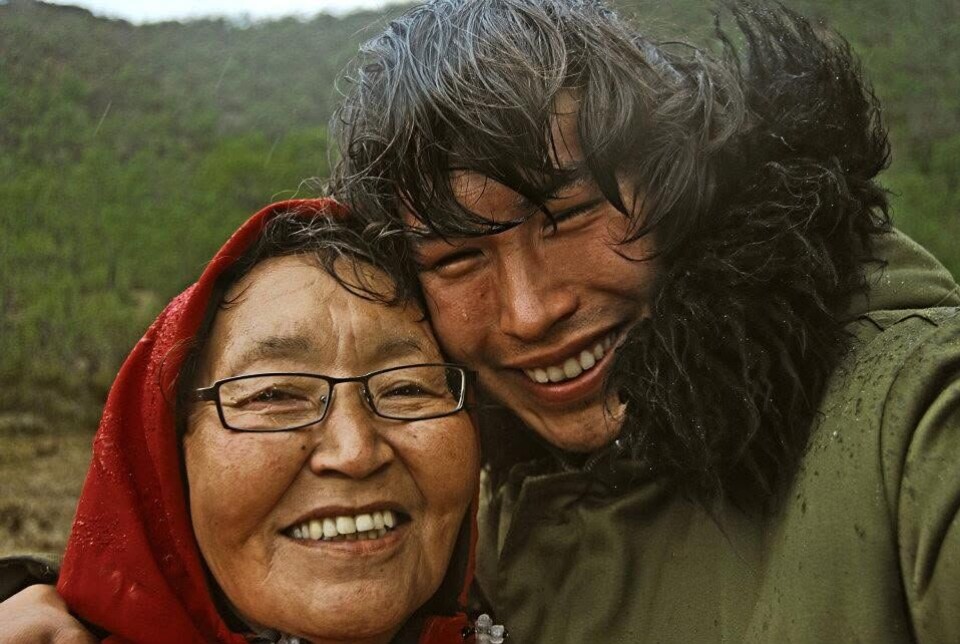
– I once stood on a bank in Svalbard under the midnight sun, and I have never seen so many whales in the same place in my life. There I knew that I had seen enough and that I now wanted to help protect what I had seen, he says.
The experience sent him back to university, and in 2022 he completed his master’s degree in ecology and environmental management.
The master’s project was about using the kayak to collect microplastic samples – and it was the project that ended up developing into the documentary project that he has just completed.
Because during his master’s degree, he learned that 80 percent of all the microplastics found in the world originate from car tires.
Kristian Louis Erni Jensen then set out to find out if there were car tire particles in the fjords in East Greenland, and he therefore flew to Tasiilaq to collect microplastic samples. He then took the samples with him to a university in Germany to have them analysed.
– At the most remote glacier, deep in the Sermilikfjord, there were car tire particles, he says.
– And since the water inside the fjord comes from the glacier’s meltwater, the car tire particles most likely do not originate locally from the area.
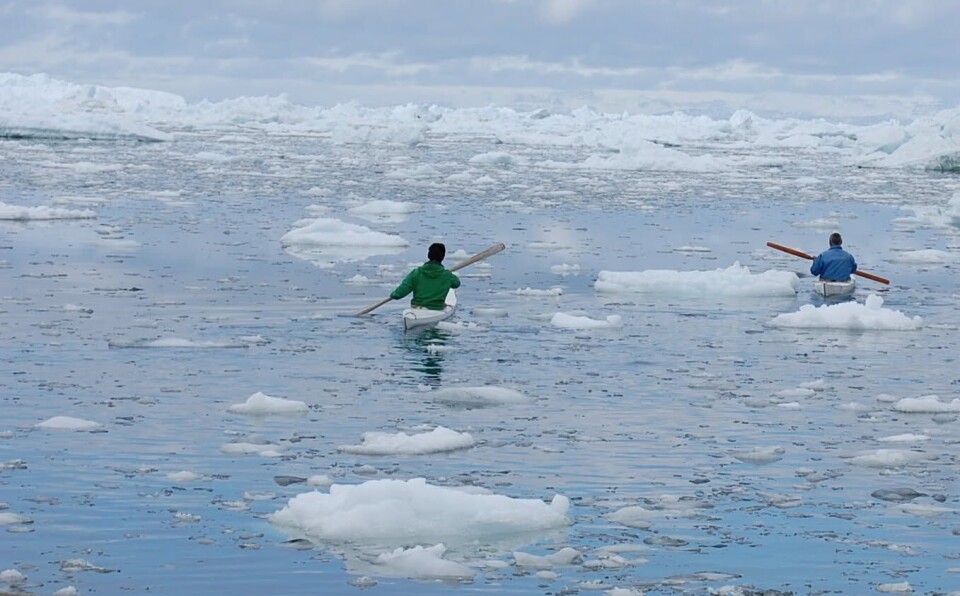
Today it is four years since he made his discovery in Tasiilaq. Since then, Kristian Louis Erni Jensen has traveled around Canada and the rest of Greenland to collect more microplastic samples in his kayak with a camera crew on his neck.
On the trip to Narsarmijit with his mother, he took the final tests.
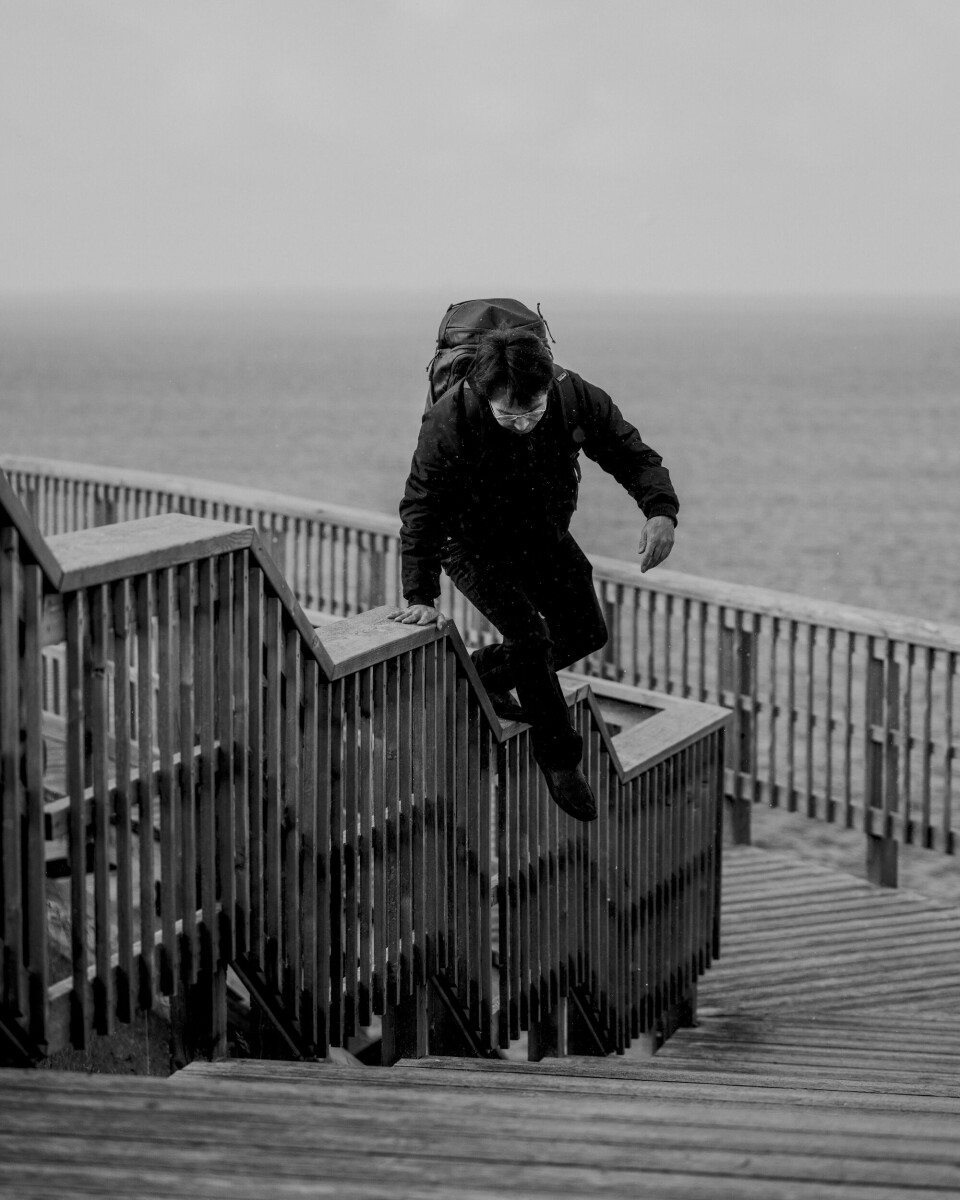
Politics and qajaq dreams
Although Kristian Louis Erni Jensen has only now made the final decision to move to Nuuk, the idea has been simmering for some time.
– Every time I have traveled to Greenland, I feel much more at home here, and much more fresh and present, he says.
– And then I want to contribute to all the exciting things that Greenland is facing right now.
He mentions the American government’s ambition to intensify the search for oil, gas and minerals in Greenland and the timing in relation to the defense agreement that the US signed with Greenland and Denmark back in September.
– I think that Greenland is doing a lot right, but I also think that we have to navigate very wisely if we want to avoid that Greenland does not end up being an extraction zone, he says.
At the water at Nuup Saava, the waves don’t splash nearly as much anymore. The sun has broken out from the clouds – and the different colors and designs on the kayak club’s kayaks stand out more clearly.
– They are beautiful, comments Kristian Louis Erni Jensen.
When he moves from Lofoten, he intends to take his kayaks with him. He is toying with the idea of offering free kayak trips to locals, so that more people have the opportunity to become good at paddling.
– I would like to pass the torch on to the young people and show people what fantastic natural experiences people can get if they choose qajaq as a lifestyle, he says.
He also hopes that the kayak can regain its old status as a tool – perhaps not for catching, but as a tool that can be used to conduct science and fight environmental pollution in the oceans.
– Because in this way we can perhaps change kayaking from being something that tourists do to becoming a national pride again.