WARNING: This story contains references to suicide. Resources can be found below.
An Ontario coroner’s jury on Thursday released 22 recommendations largely aimed at the Thunder Bay Jail where Kevin Mamakwa died in June 2020.
Jurors at the inquest that began June 1 also determined that Mamakwa, the nephew of Kiiwetinoong NDP member of provincial parliament Sol Mamakwa, died by suicide.
Their recommendations, all for the Ministry of the Solicitor General to take into consideration, urged that it develop and publicly release a plan to decommission the jail within five years of the opening of the new Thunder Bay Correctional Centre. Also referred to as the Thunder Bay Correctional Complex, it’s expected to be operational next year.
Jurors also recommended that the 100-year-old jail never be repurposed to incarcerate individuals in the future.
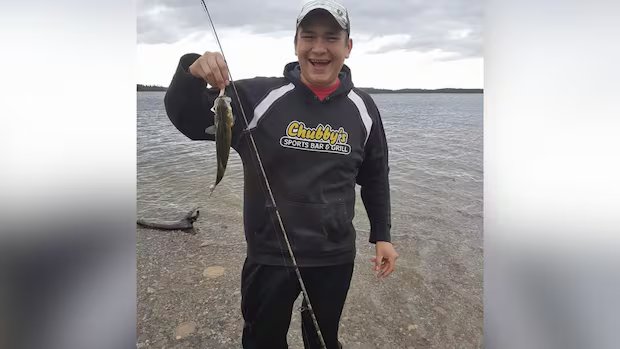
Kevin, a member of Kingfisher Lake First Nation, was a loving father of four and enjoyed playing hockey in his younger years, but struggled with mental health and addiction issues, his family has said.
Inquests are mandatory under the provincial Coroners Act when a person dies in custody. Jurors can determine cause of death, but can’t make any legal findings or lay blame on anyone. They can also recommend that organizations and governments take preventive actions.
‘People keep dying there’
The inquest has sparked renewed calls from First Nation leaders for the jail to be shut down.
During a morning news conference before jurors delivered their findings, Sol Mamakwa called the jail “a death trap” and said it “needs to go.”
“People keep dying in there,” he said in Thunder Bay.
Much of the inquest proceedings, which included testimony from more than a dozen witnesses, focused on access to mental health and addiction support in the jail, as well as concerns about overcrowding, staffing shortages and infrastructure gaps at the facility.

The Thunder Bay Correctional Complex, which is under construction on Highway 61, was meant to replace the existing Thunder Bay Jail and Thunder Bay Correctional Centre. However, both institutions are expected to remain in use after the complex is up and running, and operate under a single administration through a campus model.
It was previously announced the jail will stay open for at least five years after the complex is completed. That’s “in order to allow flexibility in the provincial correctional system,” Jayne Harten, director of the delivery and integration branch at Ministry of the Solicitor General, told the inquest.
Family doesn’t want jail open, lawyer says
The $1.2-billion complex, which will include 462 beds, is expected to be substantially completed by November and fully up and running next year.
“What they’re going to do now is keep this outdated, poorly designed, archaic, nightmarish institution open — and the family can’t let that stand,” said Meaghan Daniel, the lawyer who represented Kevin’s family at the inquest.

“That institution has seen the deaths of a number of Indigenous people who were just like Kevin, young, male under 30, on remand, suffering from mental health and addiction — and to make meaning from this loss, we have to stop it.”
A spokesperson for the Ministry of the Solicitor General told CBC News that as of Friday that the Thunder Bay Correctional Centre had an operational capacity of 194 and the jail’s operational capacity was 134.
The inquest jury also recommended that the ministry develop a functional capacity for correctional settings that considers institutions’ ability to provide adequate supervision and support services rather than simply focusing on housing inmates.
Improving access to health care, support services
The jury heard Kevin was receiving suboxone, an opioid agonist therapy used to treat opioid use disorder, in the weeks leading up to his death. Jurors were also read a letter found in his pocket after he died in which he wrote about having thoughts of ending his life.
The recommendations also call for the ministry to review and revise policies related to opioid use disorder and suicide prevention, and for correctional officers to receive ongoing training on substance use disorders and trauma.

Jurors also recommended that round-the-clock nursing care be implemented at the jail, as is planned for the new complex, and to ensure inmates know what supports are available. They also suggest that inmates spend at least five hours a day outside their cells.
Another recommendation calls for consultations with Indigenous leaders about cultural services for Indigenous inmates, and for correctional officers to receive continuous, mandatory Indigenous cultural training.
As for correctional officers, it’s recommended they receive continuous, mandatory Indigenous cultural training, and that the ministry consults them on tools they need to do their work, such as mental health support and access to digital technology.

Amid concerns about jail staffing shortages, jurors also urged the ministry to publicly release its staffing plan for the new complex.
The jury also wants to see technology that allows inmates to connect with loved ones or community supports by video call, and a dedicated telecommunication system that allows inmates’ families to receive updates about them.
More broadly, the jury recommends that the ministry release a report every five years about actions taken to reduce incarceration rates and repeat offenders in the north, and to conduct an independent review of Indigenous services available for inmates in the region.
The inquest heard Thunder Bay inmates will first be brought to the new complex, where staff will determine which of the three correctional institutions is best for them. The jury recommended that a transition plan be developed for inmates moving from the jail into the new facility, giving priority to those needing services not currently available.
The inquest verdict and 22 recommendations will be available on the Ontario government’s website.
If you or someone you know is struggling, here’s where to get help: