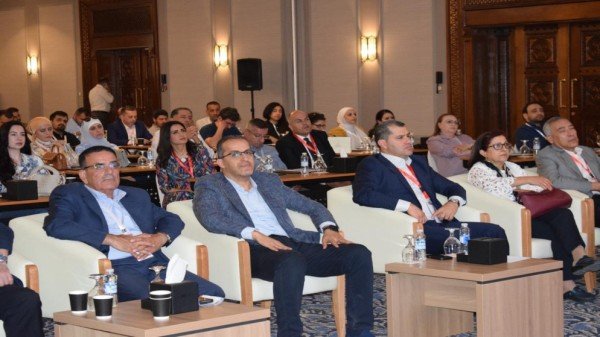
The Jordanian Osteoporosis Society concluded its fifth scientific day, which was held in the Dead Sea region with the participation of about 150 male and female doctors from various medical sectors in the Kingdom.
The president of the association and the head of the conference, Dr. Muzaffar Al-Jalamda, said that modern medicine is strongly moving towards proactive care and analyzing accurate data to predict the risk of fractures and early medical intervention, stressing that protecting bones and preventing fragility is an urgent “national duty” in light of the rising average lifespan and the development of health services.
Al-Jalamdeh added that Jordan has a distinguished medical record and high-level competencies that make it a prominent scientific and therapeutic center in the region, stressing the association’s continuous endeavor to be a leading scientific reference locally and regionally.
For his part, Consultant in Physical Medicine and Rehabilitation, Dr. Tariq Al-Khatib, emphasized the importance of therapeutic integration, explaining that treating osteoporosis is not limited to drugs only, but rather medical and physical rehabilitation represents the first line of defense to protect patients from falls and prevent motor disability, ensuring the sustainability of the therapeutic value.
The Deputy Head of the Medical Syndicate, Dr. Saddam Al-Shinnaq, opened the scientific day, where he praised the association’s role in promoting continuing medical education, raising the efficiency of doctors, and keeping pace with scientific developments.
Through an integrated scientific program, the participants discussed the latest global recommendations for drug therapy management, modern techniques for assessing bone health and predicting fractures, in addition to non-pharmacological care topics, osteoporosis resulting from steroid medications, and the role of balanced nutrition and vitamin K in maintaining bone mass.
The head of the Scientific Committee, Dr. Dana Hiasat, stated that the program combined the latest scientific evidence with practical clinical applications, pointing out that the great interaction reflects the importance of these specialized meetings in upgrading the medical system and improving the quality of care provided to patients.