Havana/This Friday, the Cuban Government authorized the registration of a Spanish company in the registry of foreign firms with permission to operate on the Island. This is Dietampa, a company based in A Coruña that will be able to market, among other products, energy, electrical and industrial equipment.
The authorization was published in the Official Gazette through a resolution signed by the Minister of Foreign Trade and Foreign Investment, Oscar Pérez-Oliva Fraga. The text validates the opening of a branch of the company in Cuba and grants it legal recognition to carry out commercial operations in the country.
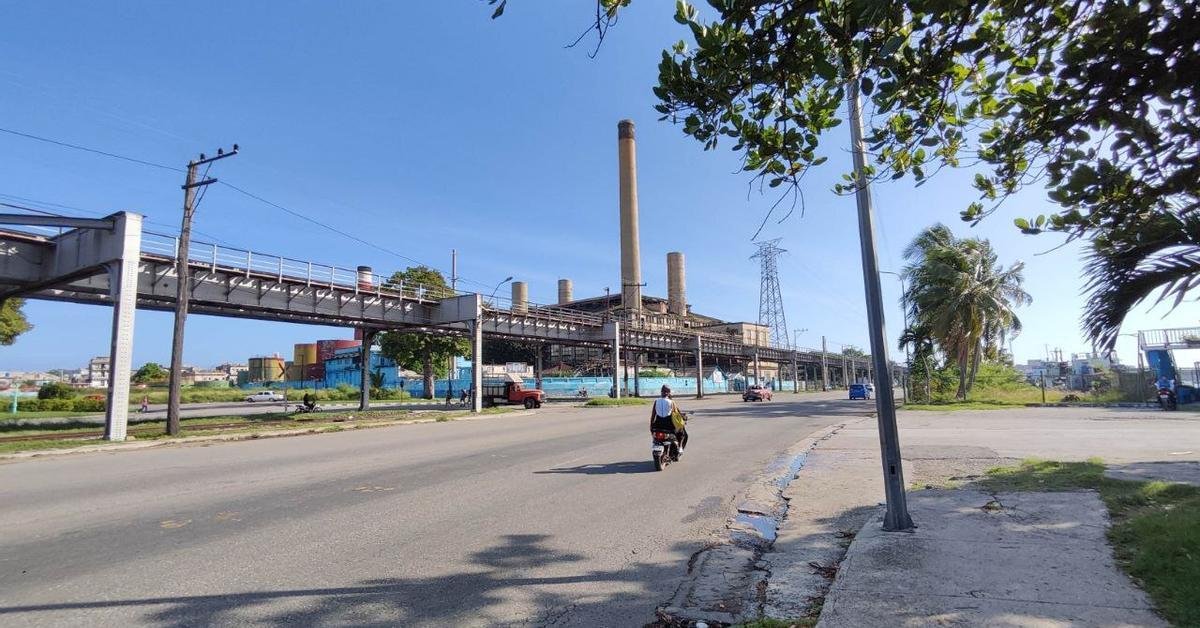
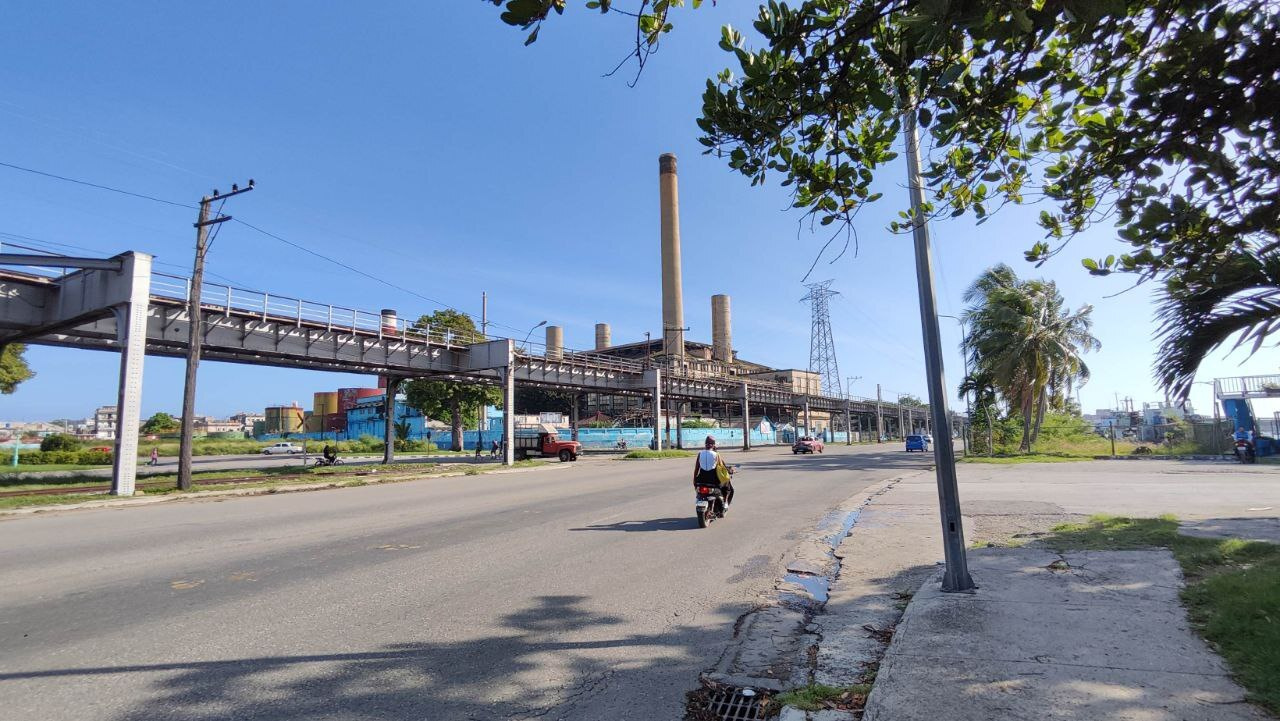
The permit comes at a delicate time for Havana. On the one hand, the Island is going through a deep energy crisis, marked by prolonged blackouts, constant breakdowns in thermoelectric plants and a sustained drop in generation. On the other hand, Washington has toughened its pressure on foreign companies that maintain commercial links with strategic sectors of the Cuban regime, in particular energy, mining, defense and tourism associated with military conglomerates.
Its activity will be restricted to commercial representation and operations permitted under Cuban regulations for foreign branches.
According to the resolution, Dietampa is authorized to market products included in chapters 84 and 85 of the tariff system, broad categories that range from boilers, machines, appliances and mechanical devices to electrical equipment, industrial materials and other components for technical use. In practice, it is a range of goods that can be used in power plants, distribution networks or production processes.
The authorization, however, has clear limits. The company will not be able to directly import its products or distribute them within the national territory. Its activity will be restricted to commercial representation and operations permitted under Cuban regulations for foreign branches, which keeps control of import and distribution in the hands of state entities or intermediaries authorized by the Government.
The Official Gazette also published permits for three other foreign firms. Among them is Hydro Difusion, a Spanish company based in Terrassa, Barcelona, dedicated to solutions linked to plastic. Gilmar Investments, a Cypriot company focused on investment and financial intermediation, was also authorized, as was the Dominican Sunye, specialized in the marketing of machinery, tools and accessories for vehicles.
The Cuban Government usually presents these inscriptions as signs of “confidence” of foreign investors.
The new authorizations show that Havana continues to look for intermediaries, suppliers and foreign trade channels despite the deterioration of its payment capacity, US sanctions and the growing distrust of many international operators. In the case of electrical and industrial equipment, the urgency is greater due to the critical state of the national energy system, which depends on obsolete plants, insufficient fuel and increasingly frequent repairs.
The Cuban Government usually presents these inscriptions as signs of “trust” of foreign investors. However, authorized companies do not necessarily imply direct investment or productive installation on the Island. In many cases, they are limited to acting as commercial representatives, facilitators or links with Cuban state companies, in a market where final decisions continue to be concentrated in the official apparatus.