The Canadian Minerals Corporation Greenland Resources has signed another letter of intent for the long-term supply of molybdenum to a German company.
This time it is with Rogesa Roheisen-und Rohstoffgesellschaft, a subsidiary of the two leading German steel producers Dillinger and Saarstahl, which produces steel plates for machines, pipelines and wind power as well as wire rod and steel for the automotive industry and the construction industry.
The Canadian Minerals Corporation Greenland Resources has signed another letter of intent for the long-term supply of molybdenum to a German company.
This time it is with Rogesa Roheisen-und Rohstoffgesellschaft, a subsidiary of the two leading German steel producers Dillinger and Saarstahl, which produces steel plates for machines, pipelines and wind power as well as wire rod and steel for the automotive industry and the construction industry.
Letters of intent and agreements
Back in January, Greenland Resources announced a similar letter of intent with another German steel producer; GMH Group.
The aim of the letters of intent is to pave the way for a long-term supply agreement of ferromolybdenum and molybdenum oxide, which hardens steel and makes it more resistant.
The company has also entered into some binding customer agreements, for example with Finnish Outokumpu for the long-term supply of molybdenum oxide. Outokumpu is the largest producer of stainless steel in Europe and the second largest producer in America.
Steel producers in Germany
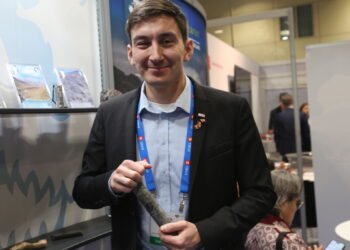
According to director of Greenland Resources, Ruben Shiffman, the company is currently also negotiating with two more steel producers in Germany.
– We have a dominant position in Germany, which is among the largest buyers of molybdenum in the EU. And the EU is also the second largest buyer of molybdenum in the world, says Ruben Shiffman, who highlights Malmbjerget’s raw material quality.
– It is very clean, and therefore has a very high quality. It can meet all the standards that the European steel industry and defense industry have for molybdenum.
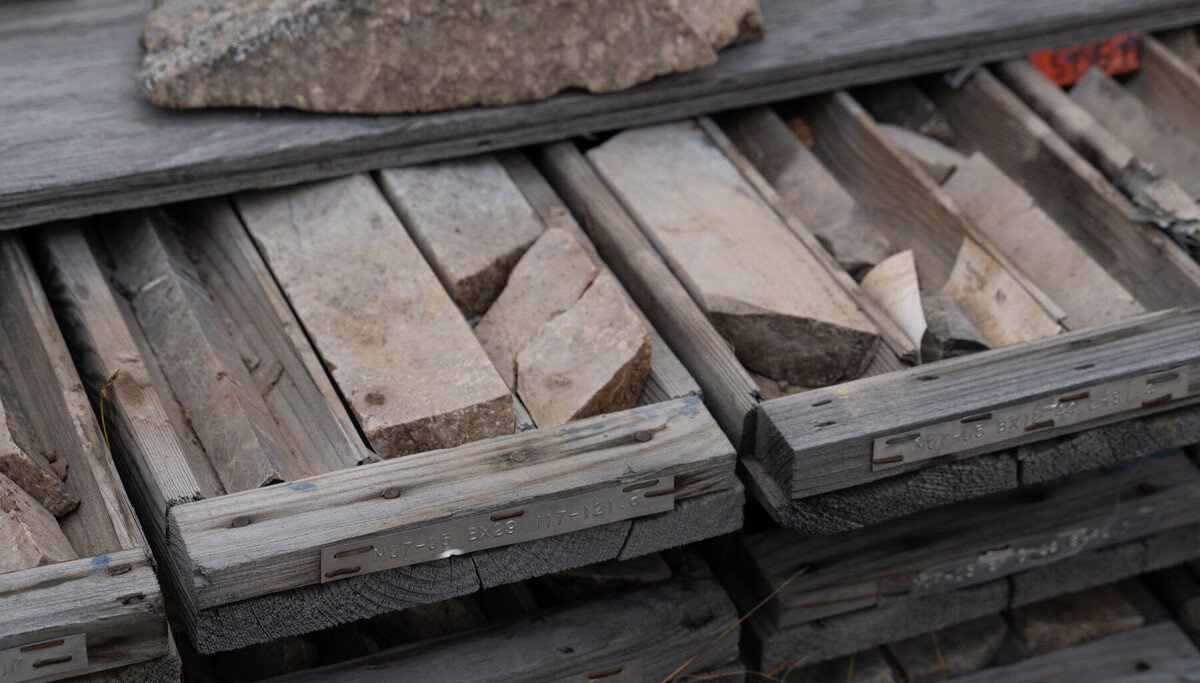
According to Greenland Resources, the plan is to crush the ore at processing facilities in Greenland and develop the molybdenum concentrate, which will then be shipped to the company MolyMet in Belgium, which will further process it into a molybdenum product that can be distributed further to the steel and chemical companies that need molybdenum to harden their products.
Supply chain in Europe
Thus, the supply chain of the raw materials from Malmbjerget remains in Europe, says Ruben Shiffman, who estimates that it will contribute to both jobs, income and the development of critical infrastructure in Greenland.
– The project can increase Greenland’s gross domestic product by over 25 percent, and create up to 500 jobs in the construction phase and 250 jobs in operation. It will also contribute with tax revenue and development of the east coast’s infrastructure.
Canadian contribution
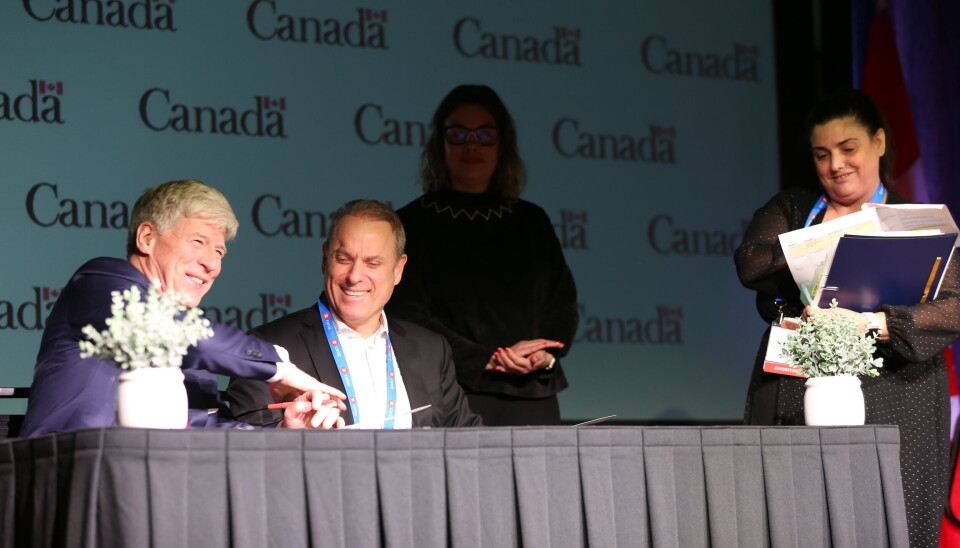
Recently, the Canadian government announced that they will contribute a grant of approx. 33 million kroner for Greenland Resources’ project, which according to director Ruben Shiffman can help attract other investments to the project, which is needed.
– Support from governments such as the Canadian one is crucial for us to attract further investment for the project, says Ruben Shiffman.