Four prominent figures of the Republican Party united with the Democrats and passed the War Powers Resolution. This action, which many have called the “Republican revolt against Trump”, shows a deep divide in the party; where even the traditional supporters of the president are tired of the human, economic and political costs of the three-month war with Iran. Massey, who has a history of criticizing military interventions, emphasized before the vote: “War decisions must be made with strong congressional oversight and a balance between the executive and legislative branches.” This historic vote, after several failed attempts and deliberate delays by the Republican leadership, was finally approved and made the Democrats happy in the parliament.
Brian Fitzpatrick also pointed to the economic pressures on ordinary people and said: “People are tired of suffering at the gas station and supermarkets; It’s time for the president to do the right thing.” Warren Davidson, who is a critic of protracted wars, saw this vote as a response to “unilateral adventurism”. By joining this small group, Tom Brett practically gave a political slap to the leadership of the Republicans and Mike Johnson, the Speaker of the House. Despite strong party pressure, the four representatives preferred the constitutional priority and Congress’s responsibility to declare war over personal loyalty to Trump, describing the move as “returning power to Congress.”
Wrath of the White House
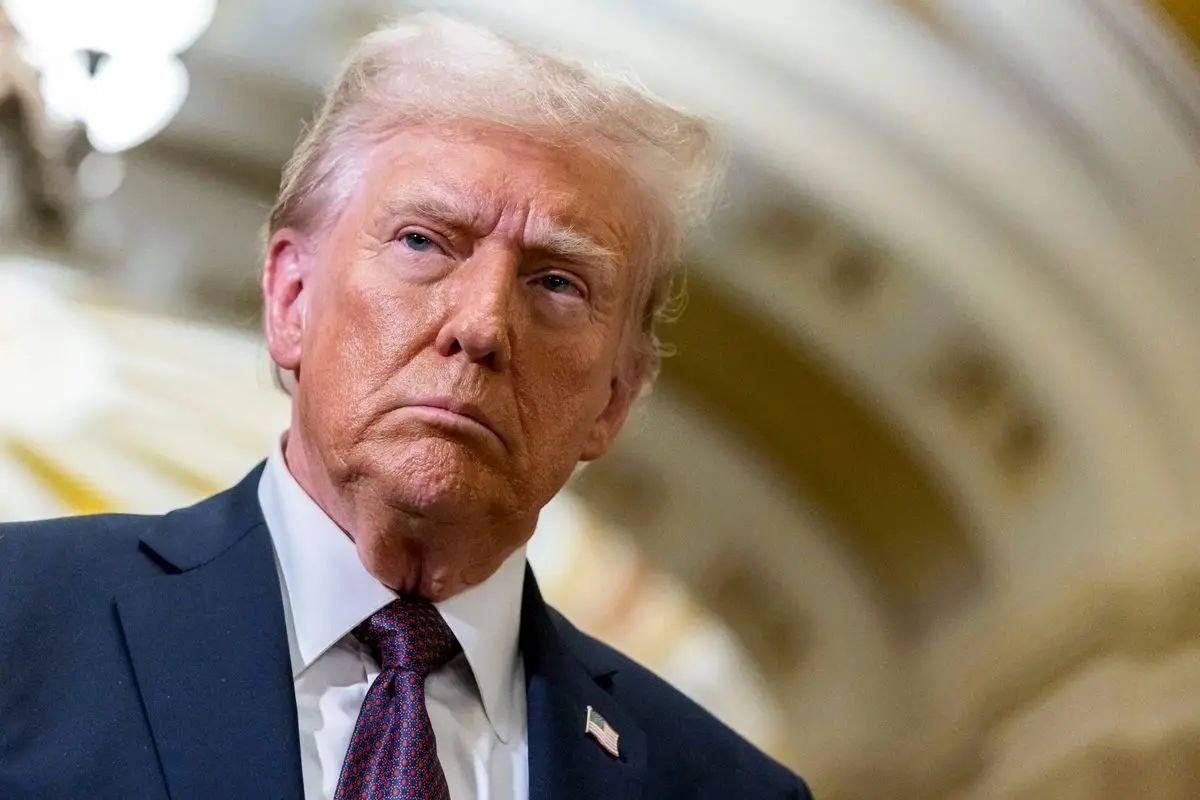
In a sharp reaction to this rebellion, Trump claimed in Truth Social: “In a meaningless vote, the House with four bad Republicans and all the Democrats limited my war powers in the middle of the final negotiations to end the war with the Islamic Republic of Iran.” Who would do such an unpatriotic thing?” He called the four representatives “GRANDSTANDERS” and said: “They should be ashamed of themselves.” The American president considered this vote “symbolic and ineffective” and emphasized that he will use his powers as the commander-in-chief. After passing the resolution in the House of Representatives, the resolution will be sent as a joint resolution to the Senate, where it also faces the possible support of several Republican senators. The next process involves review in the relevant Senate committees and a final vote, but even if passed by the Senate, the resolution lacks definitive binding legal force and Trump, as the head of the executive branch, can ignore or veto it. Finally, if two-thirds of both houses vote to reject Trump’s veto, it becomes binding only then. For this reason, experts believe that it is more important than the result of these measures, that the increase in differences and the voice of people’s dissatisfaction reaching the Congress and the hardship of the livelihood of Americans due to America’s belligerence against Iran can no longer be ignored.