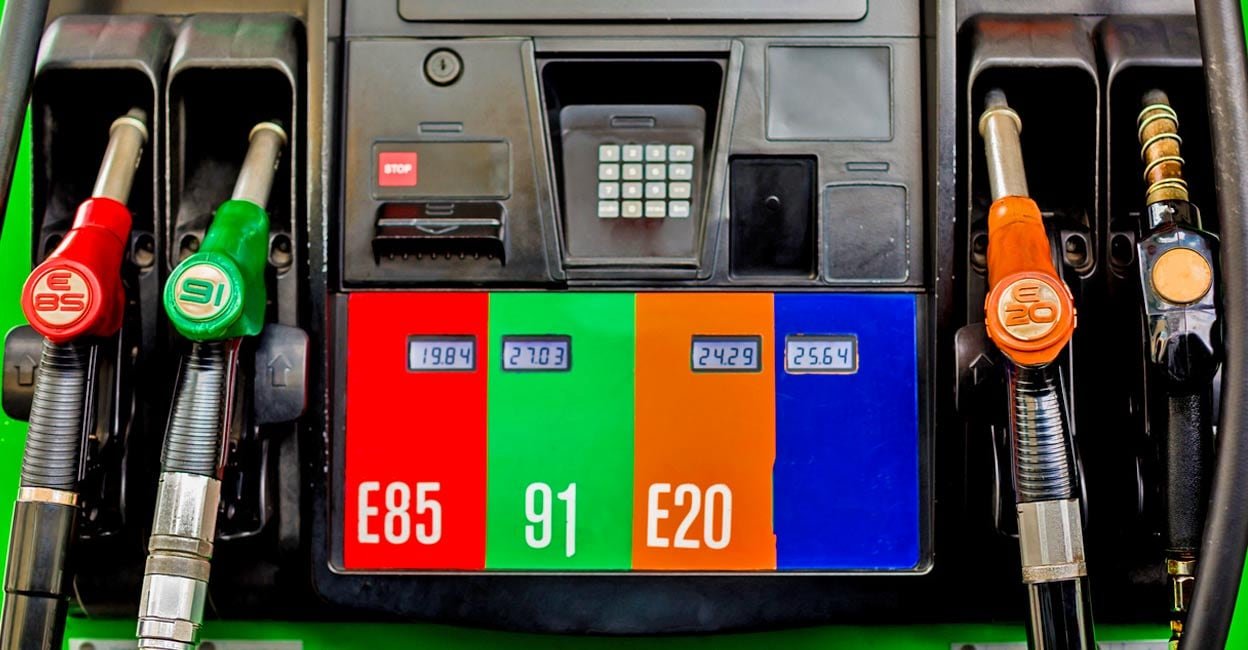
The possibility of using fuel mixed with high levels of ethanol in regular petrol cars is also evident. The Indian Sugar and Bioenergy Manufacturers Association (ISMA) is proposing to introduce ethanol conversion kits that enable current petrol cars to run on E85 and E100 fuels. ISMA Director General Deepak Ballani informs that such kits can be sold for a maximum of Rs 15,000 if manufactured locally.
If the authorities and automakers advocate for this proposal, ordinary petrol car owners will be able to switch to India’s fast-growing flux fuel system. But the main challenge is that ethanol conversion kits are still in the experimental stage. No one has been given official permission to manufacture vehicles on a commercial basis in the country.
Experiment in Desire
ISMA is conducting the trial with IIT Delhi to test the efficacy of the ethanol conversion kit. The BS4 compliant Maruti Suzuki Swift Dzire has been tested successfully. The experiment was conducted using E20, E85, E100 fuel mixed with ethanol in various proportions. This vehicle has covered upto 10,000 km till now but there is no damage to the engine.
ISMA claims that with properly designed kits, BS6 and BS4 petrol vehicles can be successfully converted to flux fuel vehicles. Still, the question remains as to how effective it will be across the various brands of engines, fuel systems and pollution technologies on Indian roads.
Ethanol Conversion Kit
A normal petrol engine is designed to fit a precise amount of fuel. Fuels with higher ethanol content behave differently than gasoline. Therefore, when using this type of fuel, the vehicle’s fuel delivery and engine management system need to be modified. Let’s take a look at what goes into an ethanol conversion kit.
An ethanol sensor is required to accurately measure the amount of ethanol in the fuel. The operation of the Engine Control Unit (ECU) will have to be changed to suit the new fuel. A change in fuel injection quantity and timing is required. A system to start the engine smoothly when cold and a system to reset the timing of the spark plug in the engine is required. Fuel supply pipes, seals, and gaskets need to be changed so that they do not corrode to fit ethanol fuel.
Ethanol is less energy efficient than petrol. But the octane rating is very high. Octane rating is a measure of the ability of petrol to prevent premature combustion in the engine. When using fuel with higher ethanol content, more fuel has to be pumped into the engine to produce the same power as petrol. A better flux fuel system can detect the amount of ethanol in the fuel and alter both the air fuel ratio and ignition timing.
Is only Rs 15,000 enough?
At Rs 15,000, the ethanol conversion kit is attractive to petrol vehicle owners. What makes this price attractive is that current petrol cars can be replaced without a greater financial burden than buying a new flux-fuel vehicle. It will be of great benefit to the owners of older BS4 and BS6 petrol cars and taxi owners if practical.
The price of the kit alone is Rs 15,000. This alone cannot reduce the cost of switching to ethanol. The labor required to install the kit on the car, the cost of specific components and inspection/certification costs for each model will have to be calculated. And the price difference between petrol and E85 fuel and the reduction in fuel efficiency when using ethanol mixed fuel can only be ascertained how profitable this technology is.