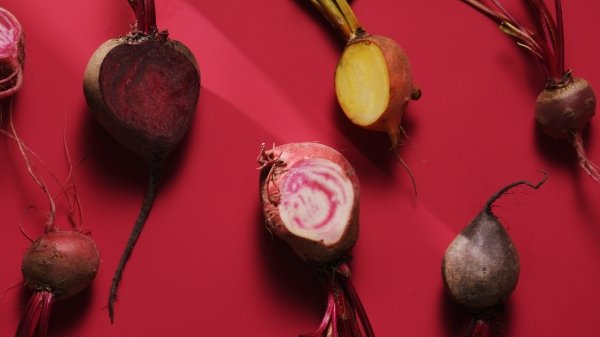
Beets owe their vibrancy — ruby red, deep purple, bright gold — to powerful antioxidants.
But what really sets these root vegetables apart is that they are a standout source of nitrate, a compound that can help regulate blood pressure and improve exercise performance.
“I get really jazzed about beets,” said Bethany Doerfler, a dietitian at Northwestern Medicine in Chicago.
Here’s a closer look at their benefits.
They can help lower blood pressure.
Beets have some of the highest nitrate content of any vegetable. Nitrate is absorbed into the bloodstream and eventually converted into nitric oxide, a powerful molecule that relaxes and widens blood vessels, said Gary Miller, chair of health and exercise science at Wake Forest University.
In one analysis, researchers found that beetroot juice — made by pressing raw beets — reduced blood pressure by 5 points in people with hypertension, compared with a placebo. (Most studies are conducted with beetroot juice rather than beets because researchers can better control nitrate levels.)
Older adults and people with diabetes, obesity or cardiovascular disease tend to benefit more from dietary nitrate, Miller said, since their bodies naturally make less nitric oxide.
Nitrates sometimes get a bad rap because they are added to hot dogs and other processed meats and can turn into potentially carcinogenic compounds. But nitrates tend to behave differently when they come from vegetables, Doerfler said, likely because of the accompanying vitamins and other protective plant compounds.
Beets may boost your workouts.
In addition to lowering blood pressure, nitric oxide improves blood flow and oxygen delivery to working muscles, said Andrew Coggan, an exercise physiologist at Indiana University.
In an analysis of 23 studies, researchers found that beetroot juice improved endurance during aerobic exercise and made working out feel easier.
A separate meta-analysis by Coggan found that beetroot juice helped muscles generate 5% more power, on average, which matters for athletic performance and everyday tasks like climbing stairs. But “the fitter you are, the less likely you are to benefit,” he said, because a healthy person’s natural nitric oxide production is already robust.
If you’re eating beets or drinking beetroot juice before a workout, do so at least two hours beforehand, Coggan said, to give your body time to convert nitrate to nitric oxide. Note that nitrate content can vary widely: Individual beets have substantially different levels, and a study of 24 beetroot juice products found that some had 50 times as much nitrate as others.
They support brain health.
Early evidence suggests that the nitrate in beets can also improve blood flow to the brain. In one small imaging study, Miller found that older adults who consumed a high-nitrate diet (including beetroot juice and a beet salad) over about 24 hours had greater blood flow in certain brain regions than when they consumed a low-nitrate diet.
Beets are also high in folate, which is important for fetal brain and spinal cord development. In adults, it helps prevent the buildup of homocysteine, a chemical that, at high levels, has been linked to a higher risk of cognitive decline. While many cereals are fortified with folic acid, beets are a great natural source, said Catherine Champagne, director of the nutritional epidemiology laboratory at Louisiana State University.
And beets contain betaine and betalains, antioxidants that may reduce inflammation and cellular wear and tear.
What’s the healthiest way to eat them?
Although beets are unusually sweet for a vegetable, they contain a decent amount of fiber, which tempers sugar absorption. Whole beets are generally a healthier choice than beetroot juice, Doerfler said, because the juicing process removes fiber.
Canned and pickled beets can also be good options, she added, since their nitrate is generally preserved during processing.
When boiling beets, their nitrate can leach into cooking water, Champagne said, so consider using the liquid in a smoothie rather than discarding it. Also avoid cooking beets for too long, Doerfler added, since prolonged heat can break down some antioxidants. Lightly roasting, steaming or grating raw beets into a salad can preserve more of those healthy compounds.
This article originally appeared in The New York Times.