Of Valerio Palombaro
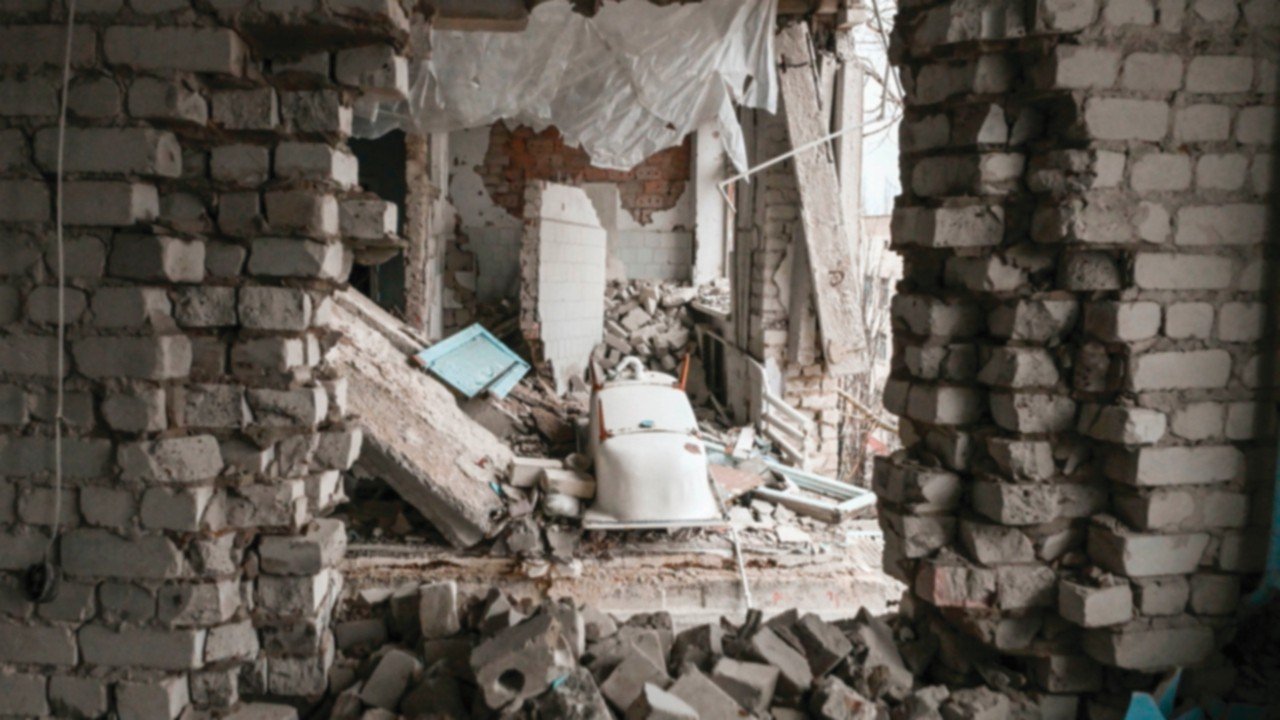
Ten years after the adoption of resolution 2286 by the UN Security Council on 3 May 2016, attacks against medical facilities in conflict zones continue to be a deadly “plague”. The surveillance system of the World Health Organization (WHO) recorded, in 2025 alone, a total of 1,348 attacks on medical facilities, which caused the death of 1,981 people. A dramatic negative record regarding the number of victims. Over 80 UN member states, by signing the resolution, have undertaken to protect health facilities and personnel helping in war zones. But international humanitarian law continues to be violated in the numerous conflicts that bloodied the world.
Doctors Without Borders (MSF) reports that in the last ten years there have been multiple attacks against healthcare facilities and personnel and have included aerial bombings on hospitals in Syria and Yemen, raids on medical centers in Ukraine and the State of Palestine, drone attacks on a hospital in Myanmar and on clearly marked ambulances in Cameroon, Haiti and Lebanon. The response of the responsible states has often been to deny the facts or attribute them to errors. Tragedies that are too often belittled and even justified with rhetoric about the “collateral victims” of the war. While hospitals, like schools, should never be military targets.
“What was once considered an exception has now become the norm”, denounces Javid Abdelmoneim, international president of MSF, now speaking of “blatant failure to comply with the protection of the medical mission in countries at war”. As for MSF, over the last ten years, 21 staff members have been killed in 15 incidents while carrying out their work. The humanitarian organization traces these incidents in a detailed report, entitled “Medical assistance in the crosshairs”, which in the introduction recalls what was one of the most sensational episodes: on 3 October 2015 in Kunduz, Afghanistan, a US AC-130 bomber hit an MSF trauma care centre, killing 42 people, including 14 members of the NGO’s healthcare staff. These attacks, like others that occurred in those years during the terrible wars in Syria and Yemen, led to the adoption of resolution 2286 to ask the warring parties to respect international humanitarian law. But this important resolution too often remains a dead letter. And the new ways of conducting wars, increasingly marked by the application of artificial intelligence in new weapons systems, certainly do not contribute to reversing the trend.
In 80 percent of cases, attacks against health facilities were found to be attributable to the responsibility of states. In the last ten years, MSF has recorded a total of 255 security incidents involving medical facilities or clearly marked organization vehicles. Recorded incidents peaked in 2024 and 2025, more than a third of the total since 2016. Preliminary data for 2026 indicates a similar level to the previous two years, although the trend for the rest of the year remains uncertain. Accidents have been reported in as many as 28 countries. But more than half are concentrated in 5 countries: Haiti (41), Sudan (29), Yemen (25), Central African Republic (23) and the Democratic Republic of Congo (20).
While attacks cause immediate injuries and loss of life, in the long term they deprive communities of life-saving care: health infrastructures are often not rebuilt and humanitarian organizations are forced to suspend their activities for security reasons. When health infrastructure is damaged or destroyed, and if people are too afraid to leave their homes to seek medical care, communities suffer.
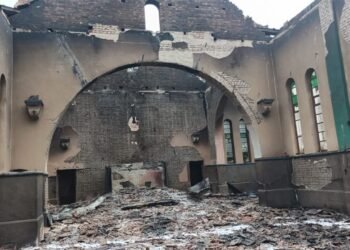
Confirmation of this has recently arrived from South Sudan: MSF has announced that it was forced to permanently close its hospital in Lankien, in the state of Jonglei, after it was bombed on 3 February. The hospital’s closure marks the end of 31 years of continuous medical care for a community that already has extremely limited access to health care. And Lankien’s case is not an isolated case: since the beginning of 2025, attacks have led to the closure of three other hospitals – in Ulang, Old Fangak and Akobo – causing hundreds of thousands of South Sudanese to pay a very high price without access to medical care.
“Health care in conflict zones is seriously threatened”, concludes the MSF president, urging states to work so that “the protection guaranteed to us and our patients by international humanitarian law” is translated “into concrete facts, not just words”.