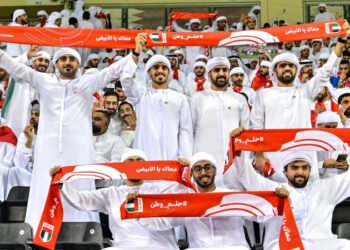
The pilgrims of the United Arab Emirates returned to the homeland after God blessed them to perform this year’s Hajj, in a scene filled with feelings of gratitude to God Almighty for the blessing of success in completing this great pillar of Islam, and with renewed feelings of gratitude to our wise leadership for the care, attention and integrated services the pilgrims received that contributed to performing the rituals in an atmosphere of reassurance, ease and organization. Thanks are also renewed to God Almighty for the reasons for success He has provided, and appreciation for the great efforts made by the Emirates Pilgrims Affairs Office in serving the pilgrims, caring for them, and following up on their affairs from their departure until their safe return to their homeland and families.
However, the Hajj obligation is not limited to being a temporary ritual that ends with the completion of the rituals. Rather, it is considered an integrated school of faith and education that aims to reshape a person’s awareness, behavior, and relationship with his God and society. Hence, Hajj is inseparable from talking about its extended effects on the pilgrim’s life after his return, because the value of this great obligation is evident in the reformation of the soul, the refinement of morals, and the consolidation of the meanings of rectitude, mercy, and moderation.
The Holy Qur’an has linked the performance of Hajj with high morals and high behavior, as God Almighty said: “Hajj is the most famous month of information, so whoever imposes Hajj on it there will be no obscenity, no immorality, and no quarreling during Hajj” (Al-Baqarah: 197), which is a verse that confirms that Hajj is not merely a transition between feelings and the performance of rituals, but rather it is an education for the soul in discipline, and accustoming it to patience, good treatment, and respect for others. It is clear that the greatest purpose of this blessed journey is Consolidating piety as an established value whose effects continue to move away from the disadvantages of character.
This is why scholars considered the continued impact of Hajj on a Muslim’s life to be a sign of acceptance. Al-Hasan Al-Basri, may God have mercy on him, said: “The sign of an accepted Hajj is that the servant returns ascetic in this world and desiring the Hereafter,” indicating that the reality of Hajj is manifested in the positive transformation that is reflected in a person’s morals, behavior, and relationships.
Therefore, the life of the pilgrim after performing the obligatory duty should be a conscious extension of the spirit of Hajj and its greater purposes through maintaining obedience, promoting the values of mercy and tolerance, overcoming mistakes, repairing relationships, and guarding the tongue from bad words. Hajj, in reality, is not the end of a devotional journey or the end of an obligation, but rather the beginning of a renewed moral and humanitarian project that rebuilds mankind on the basis of piety, goodness, and peace, and makes its blessed blessings have a lasting impact.
To read previous articles by the author, please click on his name
Responsibility for what is published in opinion articles lies with the writer alone, and the newspaper does not bear responsibility for the opinions expressed in them.