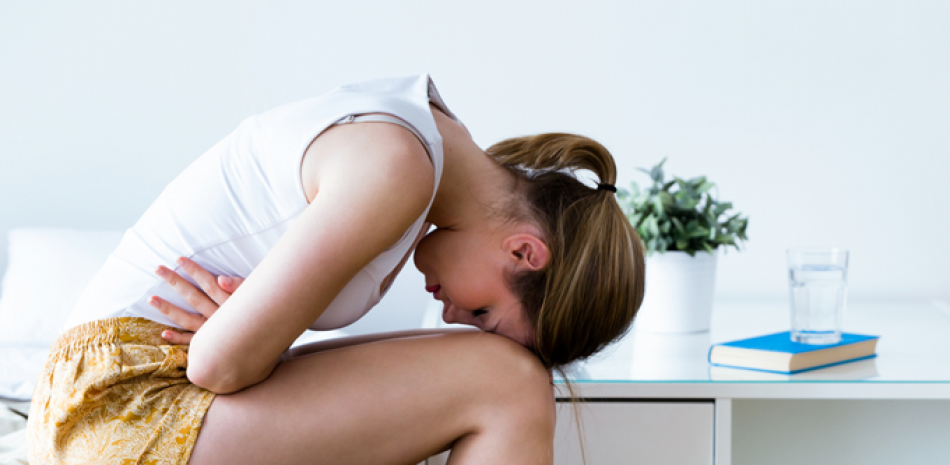
The head of service Gynecology and Obstetrics of the Sanitas la Moraleja University Hospital, Ana María Román, has called for the severe menstrual pain who limits daily activity on a recurring basis and has asked to go to a consultation for a specialized evaluation, since it may be a sign of endometriosis.
Although menstrual pain is a frequent symptom in gynecological practice, the expert has pointed out that it does not always respond to a normal physiological process and can be a first sign of pathologies such as endometriosis, from which around 10 percent of women worldwide suffer, according to the World Health Organization (WHO).
“From a clinical point of view, when menstrual pain significantly interferes with daily activity, causes academic or work absenteeism, or does not respond to the usual analgesic treatment, a gynecological evaluation is necessary to identify its origin,” explained Román.
Endometriosis occurs when endometrium-like tissue grows outside the uterus, causing inflammation, pelvic pain and, in some cases, alterations in the menstrual cycle. For a long time, it has been diagnosed mainly in adult women, but is currently recognized more frequently in adolescents and young women, in whom underdiagnosis persists.
According to the Sanitas gynecologist, the delay in detection is related to a normalization of intense menstrual pain, as well as its attribution to age. “This perception can lead to worsening of symptoms and a significant impact on quality of life,” he warned.
Beyond the physical pain, endometriosis It also impacts the emotional and social sphere. The Blua psychologist from Sanitas María Calle has pointed out that absenteeism from school or work, anxiety before the arrival of menstruation and the feeling of not being heard affect the psychological well-being of some young women, who may also suffer from sleep problems, mood swings or difficulties concentrating.
HOW TO FACILITATE AN EARLY DIAGNOSIS
Sanitas specialists have insisted that intense menstrual pain not be normalized and that you go to a specialist from the first symptoms to achieve a diagnosis more quickly.
They have also recommended that you pay attention to other symptoms, such as pain during sexual intercourse, pelvic pain outside of menstruation or discomfort when urinating or defecating during your period.
Likewise, they have pointed out that keeping a record of the menstrual cycle, noting data such as the intensity of the pain, its duration and any additional symptoms, allows the specialist to identify patterns and better guide the diagnosis.
In parallel, they have highlighted the importance of maintaining periodic gynecological check-ups, since they allow cycle alterations or chronic diseases, such as endometriosis, to be detected in time and to establish treatments that avoid long-term complications.