Finland’s government has proposed raising fees for elderly care and cutting social welfare spending as part of a plan to save €100 million, with legislation now sent for consultation.
The proposal includes higher charges for long-term care, the end of existing rehabilitation work schemes, and a reduction in administrative duties for social workers.
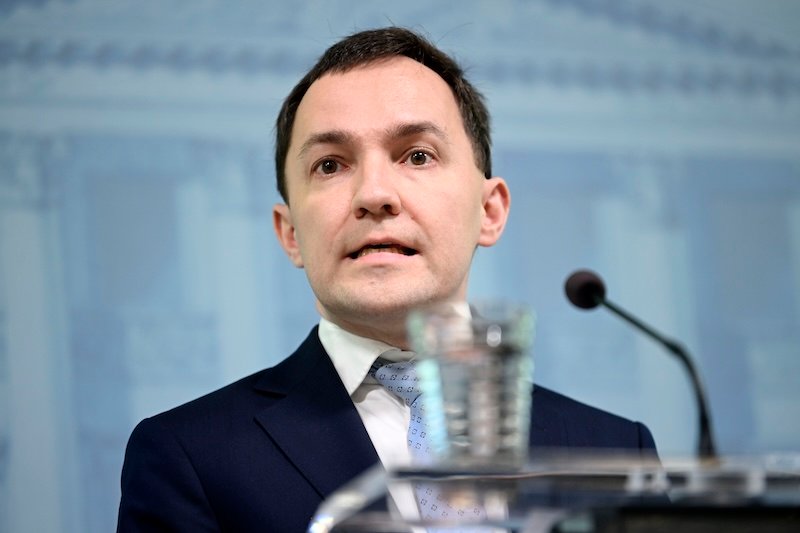
Social Affairs and Health Minister Wille Rydman said the changes form part of a wider reform aimed at balancing public finances.
Under the draft law, fees for round-the-clock care would rise to a maximum of 87.5 percent of a client’s monthly income, up from the current ceiling of 85 percent. The same increase would apply when fees are calculated on the combined income of spouses.
Charges for home care, home nursing and other services delivered at home would also increase, with fee rates rising by one percentage point.
The Ministry of Social Affairs and Health estimates that fee increases would generate €7.5 million in 2027 and €15 million annually from 2028.
Officials said the largest contribution would come from higher-income users. According to ministry data, 62 percent of clients would see no change, while 6.6 percent would face increases of more than €500 per year.
A survey cited in the draft found that more than half of home care users reported difficulty covering essential services, suggesting that even small increases could affect some households.
Rydman said raising fees was preferable to reducing access to services. “These decisions are not pleasant, but the state is accumulating debt at a rapid pace,” he told a press briefing.
The reforms form part of a package of savings across social welfare. Total reductions are estimated at €55 million in 2027, rising to just over €100 million annually from 2028 once measures take full effect.
One of the largest changes is the abolition of rehabilitative work activities and social rehabilitation in their current form. These programmes would be replaced by a new service focused on functional capacity and participation, expected to cost less.
Ending the existing schemes is projected to save €21 million in 2027 and €32 million annually from 2028.
Further savings would come from reducing administrative requirements for social workers, particularly documentation linked to client plans and service assessments.
The ministry cited findings that social workers spend an average of 193 minutes per day on documentation. Officials said cutting these obligations would free time for direct client work and reduce costs.
The reduction in administrative tasks is expected to save €16 million in 2027 and €32 million annually thereafter.
Rydman said much of the work being reduced “does not produce effective outcomes or direct benefit to clients”, while noting that documentation remains necessary.
Responsibility for implementing savings would fall largely on regional wellbeing authorities, which manage social and health services.
The government agreed on the need for €100 million in social welfare savings in 2024, but detailed measures were finalised only now after extended preparation.
The draft legislation has been opened for consultation, with further revisions expected before it is submitted to parliament.
HT