Luiz Inácio’s government Lula da Silva (PT) will increase the reference price of the Gás do Povo program, with an estimated impact of R$300 million, to mitigate the effects of the war between the United States and Israel against Iran on the price of LPG.
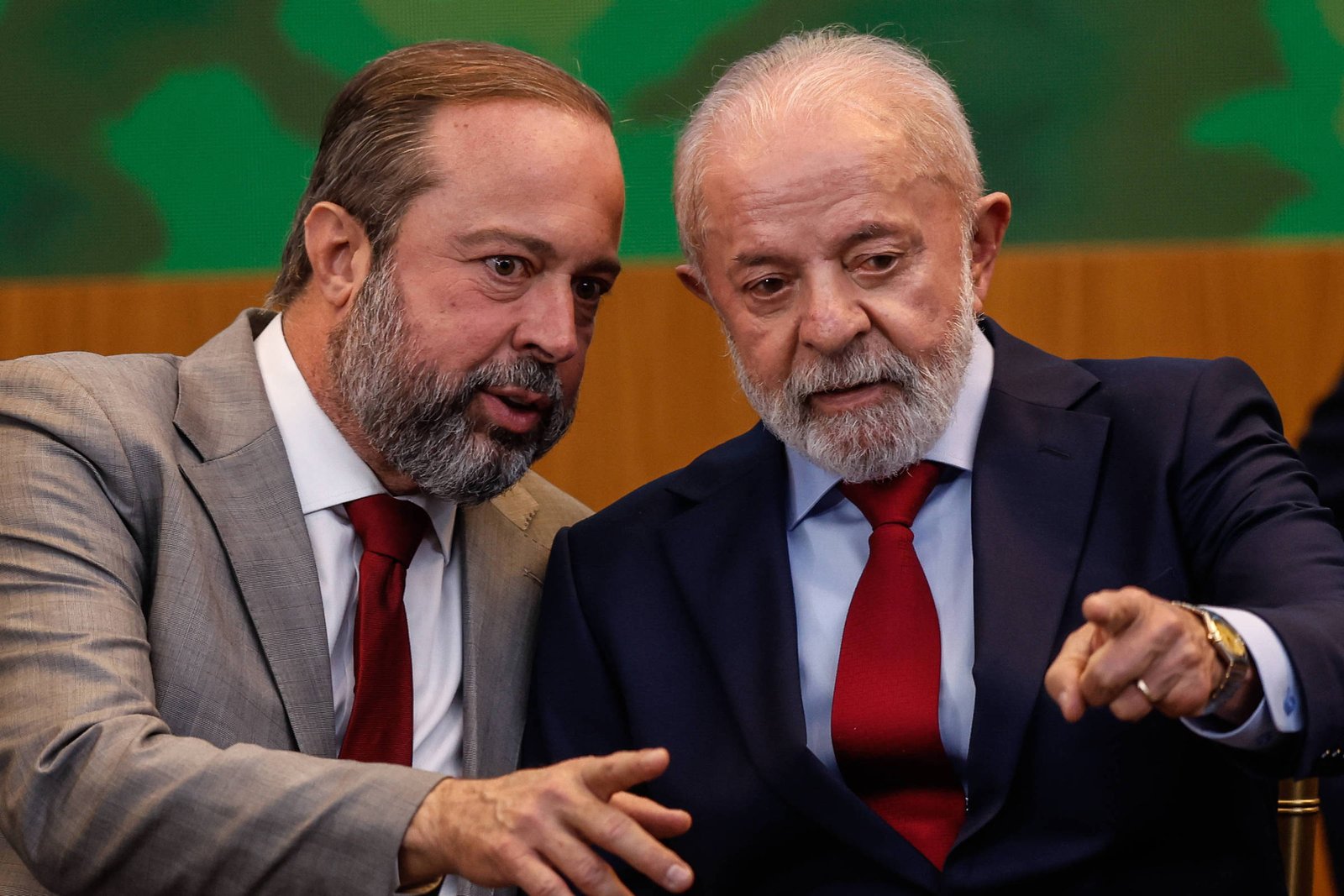
The announcement was made this Tuesday (14) by the ministers of Mines and Energy, Alexandre Silveira, Planning and Budget, Bruno Moretti, substitute Minister of Finance, Rogério Ceron, and the National Consumer Secretary, Ricardo Morishita Wada.
The Executive will also open a new deadline for joining the program.
Furthermore, the government will publish regulations on diesel subsidies, requiring distributors that participate in the program to provide transparency about their gross profit margin, to ensure that the fuel discount is passed on to the consumer.
This is another in a series of measures that the federal government announced this year, the cost of which could exceed R$30 billion, to try to contain the effects of the United States and Israel’s war against Iran.
After the first two countries bombed Tehran for the first time in March, the Iranian regime responded by closing the Strait of Hormuz, through which 80% of the world’s oil passes.
The result was that the price of a barrel soared, exceeding US$100 in the case of Brent, the reference for international trade, and affecting fuels around the world — in the Brazilian case, especially diesel, since gasoline is practically guaranteed by national production.
In March, Lula’s government announced the exemption from PIS/Cofins and a subsidy of R$0.32 per liter for national and imported diesel.
Therefore, the estimated cost of the measure exceeded R$20 billion.
Afterwards, it increased the subsidy to R$ 1.52 per liter in the case of imports and R$ 1.12 in the national case, in a cost that will also be shared with state governments, and added a cost of R$ 850 on the ton of imported cooking gas — around R$ 11 per 13 kg cylinder.
It also exempted PIS/Cofins from aviation kerosene and biodiesel, completing a package with an estimated cost of over R$30 billion.
The expectation is that this amount will be paid for by an increase in revenue from oil exports, as the price of a barrel on the international market is very high and companies in the Middle East are having difficulty circulating their product around the world, thanks to the closure of Hormuz, which creates an opportunity for the Brazilian market.
At the beginning of April, the Minister of Mines and Energy, Alexandre Silveira, also announced that the government intends to increase the mixture of ethanol in gasoline from the current 30% to 32%.
The measure, however, still needs to be approved by the CNPE (National Energy Policy Council).
Brazil currently imports around 15% of the gasoline it consumes. The ANP (National Petroleum, Gas and Biofuel Agency) calculates that the international price of the product has risen 65% since the start of the war.
According to the agency, the international price of the product rose 65%, which in practice caused the average price at gas stations to increase 8% compared to before the first attacks. United States and Israel to the Iran.
Also since the beginning of the war, Petrobras has had to increase the price of the fuel it sells at pumps in Brazil and also of aviation kerosene.