Havana/One hundred pesos and a street mark the border between living with a landfill in front of you and having clean sidewalks. The El Rampeño Local Development Project has just completed 15 days and the success can be considered resounding. A tour of the areas included in the garbage collection service provided by the initiative is enough to prove that hygiene is not a utopia.
So far there are four very small areas in the Rampa popular council, in Plaza de la Revolución. 14ymedio He walked through the two largest ones this Wednesday and could see that there was only one isolated bag, apparently from someone who took it out outside the scheduled time – there are two collections, at 7 in the morning and 8 at night – when the electric tricycle with which the waste is collected had already passed. An empty can, a cigarette box… the little things that the population throws away when they consume were the only stains that clouded this oasis of cleanliness.
“I don’t know if this project will be sustainable in the long term or the vehicles will hold up, but at the moment it seems that it is working and there are no major garbage problems,” said a resident of the area.

/ 14ymedio
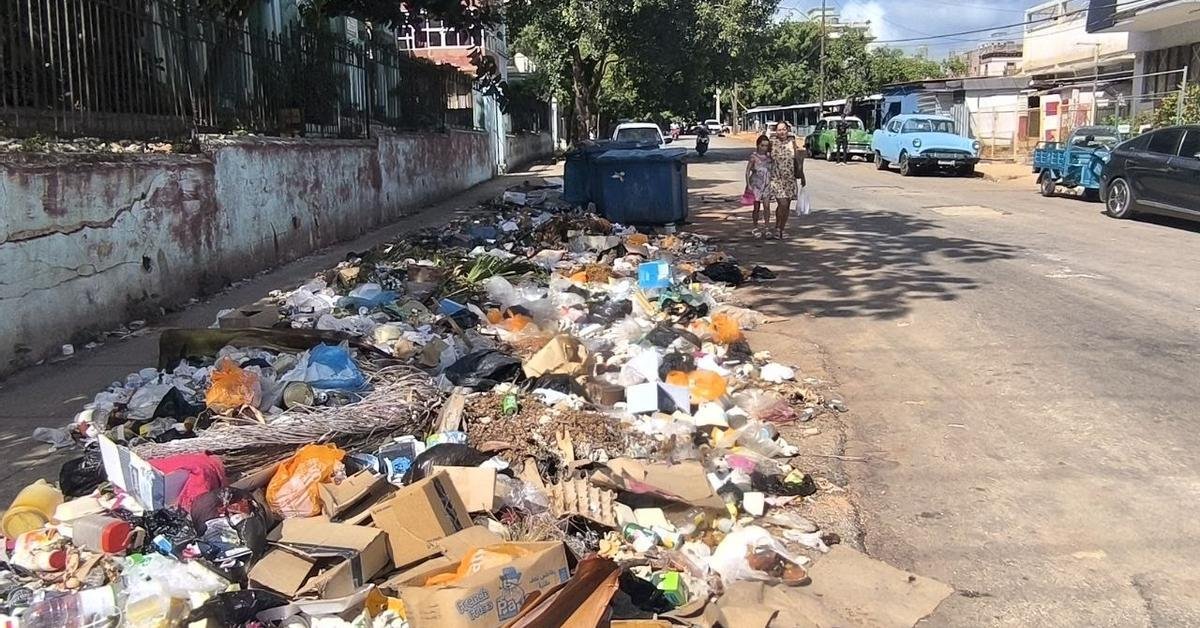
The contrast comes as soon as you turn the corner. At the intersection between 17th and L, where El Rampeño no longer operates, the landfill is the sign. The overflowing buckets and piles of waste return, with the bad smell, to the area, one of the most well-kept in the capital. In the most remote neighborhoods, the situation is repeated even at the doors of health institutions, such as the mountain that accumulates in front of the 14 de Junio polyclinic, on Avierte street, in Luyanó.
The El Rampeño initiative was announced on last June 30one day before boot of the service. The delegate of the popular council and tireless activist Pedro Garcés presented the project to the official press, which is fueled by the state contribution of electric tricycles on the one hand, the municipal contribution – with the 1% local tax -, and the private one. The price is 100 pesos per home, except for those whose residents are classified as vulnerable.
The main fees, the amount of which is unknown, will come from state and private companies in the area and a special price is charged to anyone who requests a night pickup. In addition, El Rampeño will also make profits from the sale of recyclable materials.
/ 14ymedio
With these income, the personnel responsible for collection are being hired. The project stated that it had planned an approximate salary of 15,000 pesos, although it would depend on the function. In a report made by 14ymedio Last December, street sweepers in the capital told this newspaper that their salary was around $10, less than half of what is offered in this service.
The Chinese agency Xinhua This week he reported on the service and interviewed one of its workers, Lile Esperanza Pérez, who applied for the job and claims to be more than satisfied. “It’s the best we can do,” he maintains; and he raises his gaze to the sky when he asks that it be extended to the entire city and the country so that he can once again see “Havana, beautiful and beautiful.”
In the short video, the workers assure that the population is disciplined and are increasingly punctual when it comes to showing up with their bags when they see the tricycle approaching. What does not appear in the Chinese report is what remains on the other side of the street in a Cuba where the differences are increasingly visible.