Monday, May 4, 2026
    The GeoStrategic Consensus
    No Result
    View All Result
    • Login
    • HOME
    • AMERICAS
      • Argentina
      • Brazil
      • Canada
      • Chile
      • Colombia
      • Costa Rica
      • Cuba
      • Dominican Republic
      • Ecuador
      • El Salvador
      • Greenland
      • Guatemala
      • Honduras
      • Mexico
      • Nicaragua
      • Panama
      • Paraguay
      • Peru
      • United States
      • Uruguay
      • Venezuela
    • ASIA-PACIFIC
      • Australia
      • Brunei Darussalam
      • Cambodia
      • China
      • Federated States of Micronesia
      • Fiji
      • Indonesia
      • Japan
      • Kiribati
      • Laos
      • Malaysia
      • Marshall Islands
      • Mongolia
      • Myanmar
      • Nauru
      • New Zealand
      • North Korea
      • Palau
      • Papua New Guinea
      • Philippines
      • Samoa
      • Singapore
      • Solomon Islands
      • South Korea
      • Taiwan
      • Thailand
      • Timor-Leste
      • Tonga
      • Tuvalu
      • Vanuatu
      • Vietnam
    • CARICOM
      • CARICOM – Non-English
        • Haiti
        • Suriname
      • CARICOM Associates
        • Anguilla
        • Bermuda
        • British-Virgin-Islands
        • Cayman-Islands
        • Curacao
        • Turks-and-Caicos
      • CARICOM English
        • Antigua and Barbuda
        • Barbados
        • Belize
        • Dominica
        • Grenada
        • Guyana
        • Jamaica
        • Montserrat
        • Saint Kitts and Nevis
        • Saint Lucia
        • Saint Vincent and the Grenadines
        • The Bahamas
        • Trinidad and Tobago
    • EURASIA
      • Armenia
      • Azerbaijan
      • Balarus
      • Georgia
      • Kazakhstan
      • Kyrgyzstan
      • Moldova
      • Russia
      • Tajikistan
      • Turkmenistan
      • Ukraine
      • Uzbekistan
    • EUROPE
      • Albania
      • Andorra
      • Austria
      • Bosnia and Herzegovina
      • Bulgaria
      • Croatia
      • Cyprus
      • Czech Republic
      • Denmark
      • Estonia
      • Finland
      • France
      • Germany
      • Greece
      • Holy See
      • Hungary
      • Iceland
      • Ireland
      • Italy
      • Kosovo
      • Latvia
      • Liechtenstein
      • Lithuania
      • Luxembourg
      • Malta
      • Monaco
      • Montenegro
      • Netherlands
      • North Macedonia
      • Norway
      • Poland
      • Portugal
      • Romania
      • San Marino
      • Serbia
      • Slovakia
      • Slovenia
      • Spain
      • Sweden
      • Switzerland
      • United Kingdom
    • MIDDLE EAST AND NORTH AFRICA
      • Algeria
      • Bahrain
      • Egypt
      • Iran
      • Iraq
      • Israel
      • Jordan
      • Kuwait
      • Lebanon
      • Lybia
      • Morocco
      • Oman
      • Palestinian Territories
      • Qatar
      • Saudi Arabia
      • Syria
      • Tunisia
      • Turkey
      • United Arab Emirates
      • Western Sahara
      • Yemen
    • SOUTH ASIA
      • Afghanistan
      • Bangladesh
      • Bhutan
      • India
      • Maldives
      • Nepal
      • Pakistan
      • Sri Lanka
    • SUB-SAHARAN AFRICA
      • Angola
      • Benin
      • Botswana
      • Burkina Faso
      • Burundi
      • Cabo Verde
      • Cameroon
      • Central African Republic
      • Chad
      • Comoros
      • Cote d’Ivoire
      • Democratic Republic of the Congo
      • Djibouti
      • Equatorial Guinea
      • Eritrea
      • Eswatini
      • Ethiopia
      • Gabon
      • Gambia
      • Ghana
      • Guinea
      • Guinea Bissau
      • Kenya
      • Lesotho
      • Liberia
      • Madagascar
      • Malawi
      • Mali
      • Mauritania
      • Mauritius
      • Mozambique
      • Namibia
      • Niger
      • Nigeria
      • Republic of the Congo
      • Rwanda
      • Sao Tome and Principe
      • Senegal
      • Seychelles
      • Sierra Leone
      • Somalia
      • South Africa
      • South Sudan
      • Sudan
      • Tanzania
      • Togo
      • Uganda
      • Zambia
      • Zimbabwe
    • HOME
    • AMERICAS
      • Argentina
      • Brazil
      • Canada
      • Chile
      • Colombia
      • Costa Rica
      • Cuba
      • Dominican Republic
      • Ecuador
      • El Salvador
      • Greenland
      • Guatemala
      • Honduras
      • Mexico
      • Nicaragua
      • Panama
      • Paraguay
      • Peru
      • United States
      • Uruguay
      • Venezuela
    • ASIA-PACIFIC
      • Australia
      • Brunei Darussalam
      • Cambodia
      • China
      • Federated States of Micronesia
      • Fiji
      • Indonesia
      • Japan
      • Kiribati
      • Laos
      • Malaysia
      • Marshall Islands
      • Mongolia
      • Myanmar
      • Nauru
      • New Zealand
      • North Korea
      • Palau
      • Papua New Guinea
      • Philippines
      • Samoa
      • Singapore
      • Solomon Islands
      • South Korea
      • Taiwan
      • Thailand
      • Timor-Leste
      • Tonga
      • Tuvalu
      • Vanuatu
      • Vietnam
    • CARICOM
      • CARICOM – Non-English
        • Haiti
        • Suriname
      • CARICOM Associates
        • Anguilla
        • Bermuda
        • British-Virgin-Islands
        • Cayman-Islands
        • Curacao
        • Turks-and-Caicos
      • CARICOM English
        • Antigua and Barbuda
        • Barbados
        • Belize
        • Dominica
        • Grenada
        • Guyana
        • Jamaica
        • Montserrat
        • Saint Kitts and Nevis
        • Saint Lucia
        • Saint Vincent and the Grenadines
        • The Bahamas
        • Trinidad and Tobago
    • EURASIA
      • Armenia
      • Azerbaijan
      • Balarus
      • Georgia
      • Kazakhstan
      • Kyrgyzstan
      • Moldova
      • Russia
      • Tajikistan
      • Turkmenistan
      • Ukraine
      • Uzbekistan
    • EUROPE
      • Albania
      • Andorra
      • Austria
      • Bosnia and Herzegovina
      • Bulgaria
      • Croatia
      • Cyprus
      • Czech Republic
      • Denmark
      • Estonia
      • Finland
      • France
      • Germany
      • Greece
      • Holy See
      • Hungary
      • Iceland
      • Ireland
      • Italy
      • Kosovo
      • Latvia
      • Liechtenstein
      • Lithuania
      • Luxembourg
      • Malta
      • Monaco
      • Montenegro
      • Netherlands
      • North Macedonia
      • Norway
      • Poland
      • Portugal
      • Romania
      • San Marino
      • Serbia
      • Slovakia
      • Slovenia
      • Spain
      • Sweden
      • Switzerland
      • United Kingdom
    • MIDDLE EAST AND NORTH AFRICA
      • Algeria
      • Bahrain
      • Egypt
      • Iran
      • Iraq
      • Israel
      • Jordan
      • Kuwait
      • Lebanon
      • Lybia
      • Morocco
      • Oman
      • Palestinian Territories
      • Qatar
      • Saudi Arabia
      • Syria
      • Tunisia
      • Turkey
      • United Arab Emirates
      • Western Sahara
      • Yemen
    • SOUTH ASIA
      • Afghanistan
      • Bangladesh
      • Bhutan
      • India
      • Maldives
      • Nepal
      • Pakistan
      • Sri Lanka
    • SUB-SAHARAN AFRICA
      • Angola
      • Benin
      • Botswana
      • Burkina Faso
      • Burundi
      • Cabo Verde
      • Cameroon
      • Central African Republic
      • Chad
      • Comoros
      • Cote d’Ivoire
      • Democratic Republic of the Congo
      • Djibouti
      • Equatorial Guinea
      • Eritrea
      • Eswatini
      • Ethiopia
      • Gabon
      • Gambia
      • Ghana
      • Guinea
      • Guinea Bissau
      • Kenya
      • Lesotho
      • Liberia
      • Madagascar
      • Malawi
      • Mali
      • Mauritania
      • Mauritius
      • Mozambique
      • Namibia
      • Niger
      • Nigeria
      • Republic of the Congo
      • Rwanda
      • Sao Tome and Principe
      • Senegal
      • Seychelles
      • Sierra Leone
      • Somalia
      • South Africa
      • South Sudan
      • Sudan
      • Tanzania
      • Togo
      • Uganda
      • Zambia
      • Zimbabwe
    No Result
    View All Result
    Agentially
    No Result
    View All Result
    Home EUROPE Slovakia

    Fines of up to 2,200 euros and no exceptions. Austria is launching a system that will also affect Slovaks – Domestic – News

    The Analyst by The Analyst
    May 1, 2026
    in Slovakia
    Fines of up to 2,200 euros and no exceptions. Austria is launching a system that will also affect Slovaks – Domestic – News


    Video

    Bratislava plans to waive parking fines and make public transport penalties cheaper

    READ ALSO

    Three people died on the cruise ship. What is the hantavirus they seem to have contracted?

    A smile was replaced by fear for his life: Roman Pomajbo admitted a shocking diagnosis that no one knew about – Star cases – Cocktail

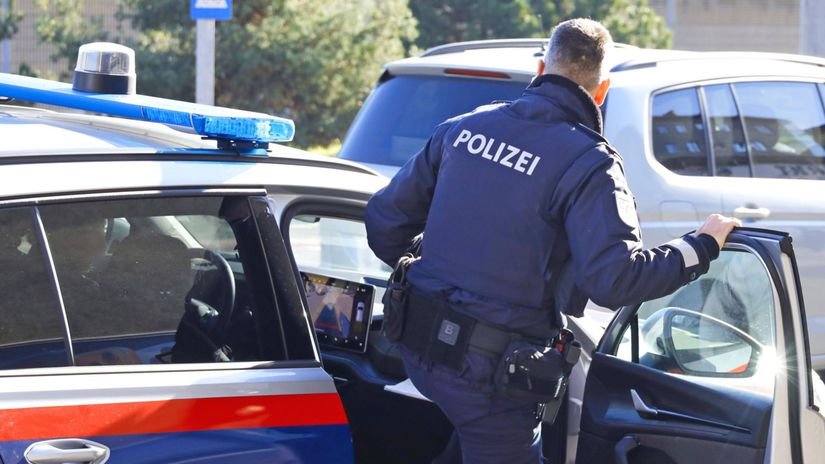
    Domestic motorists are increasingly complaining that they find parking in the center of Bratislava with problems, and even when they find it, it costs two euros per hour. But in the Austrian Vienna and other cities, they do not take into account any excuses or complaints. Since May of this year, Austria has introduced a model in which entry into city centers will be fully monitored and automatically fined. It will apply to all unauthorized cars, especially for transit.

    The goal is to create quiet zones in city centers where the entry of cars will be strictly limited. Cameras will continuously record the movement of vehicles, which will draw consequences in case of unauthorized entry or parking in the wrong zone. For the Slovaks, this means that if they have relied on less vigilant police officers, or overlooking an offence, monitoring will capture their actions without exception.
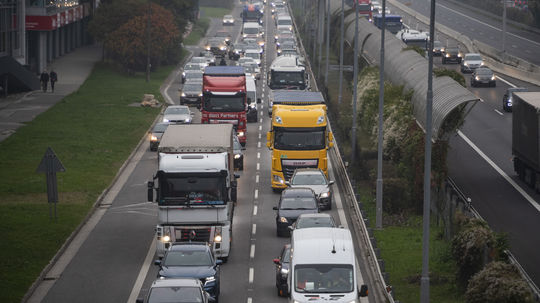
    In the picture, traffic jams on Einsteinova street...

    Illustrative shot

    The system automatically recognizes the vehicle registration number (ECV) and compares them with the database of authorized vehicles. Unauthorized entry, i.e. if you enter a street where parking is intended for residents, you will be automatically fined – the envelope will also come to Slovakia, directly to your home address, and it will not be possible to simply ignore it.

    Austria will use the European directive on facilitating the cross-border exchange of information. It already works, for example, when speeding. Slovaks, accustomed from home to non-compliance with road traffic rules, are already familiar with the Austrian delivery of fines to the mailbox. In addition, by 2027, a common European vehicle database is to be created, thanks to which foreign “espézetky” will be checked automatically.

    The system will be introduced from May, but gradually to 25 cities – depending on how the Austrians are ready for it. Among the first, however, it will start to apply in Vienna and in addition to it in Salzburg, Graz, Linz, St. Pölten and Leoben. Monitored zones and road markings with a camera symbol will be added to the vicinity of Vienna and border areas in general, roads will also be marked. Since these are big cities, the monitoring will mainly affect Slovak commuters traveling for work or school, but also weekend tourists.

    Will the system of fines in Austria affect you?

    “For Slovak commuters, this may mean longer commutes, higher costs and greater frustration, especially if they do not have real alternatives to car transport. They will be forced to combine transport more or change routes. However, a critical view says that such measures may be socially unfair – they will most affect people who cannot afford to live closer to work or do not have high-quality connections by public transport. For them, it is not a choice, but a necessity to drive a car,” added Ľuboš Kasala, expert from Green Wave STVR.

    High fines as education

    It is the enforcement of fines across borders that can become a valuable source of money for the country – foreign tourists who do not know the system can easily find themselves in a restricted zone. In addition to registered residents, only supplies, emergency services or taxis and motorbikes will have access to them. The fines themselves are set so that everyone will think twice about repeating the mistake. They start at almost 730 euros, while with repeated fines it can be up to 2.2 thousand euros.

    Such sums will hurt even from the Austrian wallet, not to mention the Slovak one. The Austrian Ministry of Mobility has therefore promised that those who enter the protected zone by mistake will have 30 minutes to leave it. However, if it is an intention or a repeated violation, the sanction will be uncompromising. And tall.

    “From the point of view of traffic efficiency, it is a relatively effective tool – it allows to regulate the entrance to the centers, reduce congestion and improve the flow of traffic. In cities like Vienna, it fits into a broader strategy of limiting individual car traffic. On the other hand, it can be critically recalled that this is a solution that moves the problem elsewhere – traffic can ‘spill’ into peripheral areas or onto detour routes,” Kasala recalled.

    The cameras will be added at the entrances to specific parts, not throughout the city. The emphasis on moving cars away is mainly in the historic center, residential areas, pedestrian zones and in the vicinity of schools and kindergartens. The Austrian authorities promise that the regulated zones will be properly marked.
    SR D1 truck road accident TTX Read more Congestion on the highway as an advantage: Italy pays drivers for delays, the hell on Slovakian roads could also be dramatically improved

    For Vienna itself, however, it is not a question of new restrictions on heavy traffic and unnecessary driving through narrow historic streets. In Vienna, there is already a two-hour parking limit in the wider center, while its management has managed to get visitors used to parking lots. They are built in several places in the Austrian capital with excellent access to the subway or other public transport.

    In those that are a few metro stops directly from the famous town hall building, the amount for all-day parking starts at five euros. Not only tourists, but also commuters understood that they cannot reach the monuments directly by car, but the city did not feel any negative consequences. It simply set rules that helped the population to have a better quality of life.

    “A counterargument can be the fact that transit traffic often does not arise from convenience, but from a lack of infrastructure – for example, missing bypasses. If alternative routes are not improved, drivers will only look for new shortcuts, which can worsen the situation in other neighborhoods. Moreover, part of the traffic can remain ‘unreduced’, only less visible,” pointed out Kasala.

    Would it hold up even in Bratislava?

    On the model of Vienna, Austria is monitoring the reduction of the number of cars in historical and residential zones, which brings with it lower noise and emissions, but also more parking spaces for residents. In cities such as London or Milan, where this system was introduced, it contributed to quieter and clearer streets due to the fact that they are more difficult to access by car. More people were forced to change to public transport or park on the edge, which naturally increased the proportion of cyclists.

    The Austrian authorities assume that after the introduction of these zones, the volume of traffic in the center (for example in Vienna) will drop by approximately one third. In the mentioned metropolises, there was a 30 percent decrease. While European urban planners are clear that cars cannot prevail in the cities of the future, only in Bratislava the share of new cars between 2019 and 2023 increased by nine percent to 355,000.

    collage interview Cahojova archive and Dano Veselsky tasr Read more Public transport loses to cars. Why, according to rival Valla, is Bratislava ceasing to function

    According to the Statistics Office, more than half of all trips to work in the capital are made by car – almost 53 percent. It is so obvious that the number of cars is growing despite the city’s efforts to reduce this type of transport. At the same time, Bratislava has the most cars per inhabitant in Slovakia and is among the cities with the most “cars” in the country.

    However, this Viennese system would not work very well in the capital, or in Slovakia in general. According to the expert, it is neither completely sustainable nor necessary for our cities. Monitoring and subsequent fines would make sense in the historic and wider center. There, it could lighten traffic by limiting crossings. However, the rush to use public transport, which has its limits and uncovered places, would increase. It would also be necessary to build more parking lots.

    Without a strong background in public transport and P+R parking lots, high fines could anger drivers rather than actually solving the problem of congestion or parking. Bratislava could use such a system, but only as a tool that works only in combination with measures for better transport – including more complex bicycle routes.

    However, according to the expert, in the current state of traffic, it would rather lead to the frustration of drivers. They could see it as a way of collecting fines and punishment, rather than as a service for better mobility.

    “Bratislava could introduce regulated zones with automatic supervision, similar to several Western European cities. Technologically and legislatively, it is feasible today. But Bratislava does not yet have such a robust network of parking lots or such a high capacity of public transport as Vienna, although in principle public transport in Bratislava is at a high level,” Kasala concluded, adding that the introduction of strict controls without alternatives could lead to dissatisfaction rather than to real improvement.




    Source link

    Related Posts

    Three people died on the cruise ship. What is the hantavirus they seem to have contracted?
    Slovakia

    Three people died on the cruise ship. What is the hantavirus they seem to have contracted?

    May 4, 2026
    A smile was replaced by fear for his life: Roman Pomajbo admitted a shocking diagnosis that no one knew about – Star cases – Cocktail
    Slovakia

    A smile was replaced by fear for his life: Roman Pomajbo admitted a shocking diagnosis that no one knew about – Star cases – Cocktail

    May 4, 2026
    He starts to pass the jester. We have our own findings, the prosecutor’s office says about the rescue tender investigation
    Slovakia

    He starts to pass the jester. We have our own findings, the prosecutor’s office says about the rescue tender investigation

    May 4, 2026
    The end of inviolability: eight drones with 100-kilogram charges were buried by the Russian headquarters – dozens of dead – World – News
    Slovakia

    The end of inviolability: eight drones with 100-kilogram charges were buried by the Russian headquarters – dozens of dead – World – News

    May 4, 2026
    QUIZ: A big final awaits the Slovaks. Are you ready for it? If you can’t do even one question, you don’t know much about hockey – Other – Hockey
    Slovakia

    QUIZ: A big final awaits the Slovaks. Are you ready for it? If you can’t do even one question, you don’t know much about hockey – Other – Hockey

    May 4, 2026
    The Višňové tunnel will be closed for two weeks. Transport returns under Strečno – SME
    Slovakia

    The Višňové tunnel will be closed for two weeks. Transport returns under Strečno – SME

    May 3, 2026
    Next Post
    Ukraine Russia Online: Ukraine prepares to export weapons, produces more than it needs

    Ukraine Russia Online: Ukraine prepares to export weapons, produces more than it needs

    POPULAR NEWS

    Justin Bieber fans flood Coachella festival for headlining show – Entertainment

    Justin Bieber fans flood Coachella festival for headlining show – Entertainment

    April 20, 2026

    Over 600 flee homes as Army, NPA clash in Negros Occidental

    April 21, 2026

    Ex-DPWH exec recalls P800-M ‘delivery’ to Zaldy Co 

    April 20, 2026

    Former PM Paluckas suspends party membership, to waive immunity over criminal probe

    April 24, 2026
    Pres. Ali challenges CARICOM to transform into health research powerhouse

    Pres. Ali challenges CARICOM to transform into health research powerhouse

    April 23, 2026

    EDITOR'S PICK

    The workers’ struggle in Paraguay: History and achievements of the most emblematic general strikes – National

    The workers’ struggle in Paraguay: History and achievements of the most emblematic general strikes – National

    May 2, 2026
    Who was José Capillera, the police officer who killed his partner and his in-laws in the La Chancha neighborhood

    Who was José Capillera, the police officer who killed his partner and his in-laws in the La Chancha neighborhood

    April 14, 2026
    In Tuapse, the consequences of fires at the oil refinery and terminal are being eliminated

    In Tuapse, the consequences of fires at the oil refinery and terminal are being eliminated

    May 4, 2026
    Antonio Conte sets a negative personal record, will end the first season in Serie A below 80 points

    Antonio Conte sets a negative personal record, will end the first season in Serie A below 80 points

    May 3, 2026

    Recent Posts

    • NATO Secretary General arrived in Yerevan
    • Schoolchildren have developed a smart garbage disposal program using artificial intelligence
    • Azerbaijan’s SOCAR Trading proposes establishing an energy exchange in Baku
    • Expert: Belarus ranks among world leaders in early-stage cervical cancer detection

      © 2026 Agentially - Navigating shifting sovereignties and global risk .

      Welcome Back!

      Login to your account below

      Forgotten Password?

      Retrieve your password

      Please enter your username or email address to reset your password.

      Log In
      No Result
      View All Result

        © 2026 Agentially - Navigating shifting sovereignties and global risk .

        This website uses cookies. By continuing to use this website you are giving consent to cookies being used. Visit our Privacy and Cookie Policy.