BEST BET:
Taiwan is the best place to establish a center to study and map the activities and networks of such groups, given its familiarity with China’s operations, Geoff Wade said
-
By Sam Garcia / Staff writer, with CNA
China has established a vast global network of organizations to expand its influence abroad, an Australian national security expert said, suggesting that Taiwan develop an international public database to track the network’s activities.
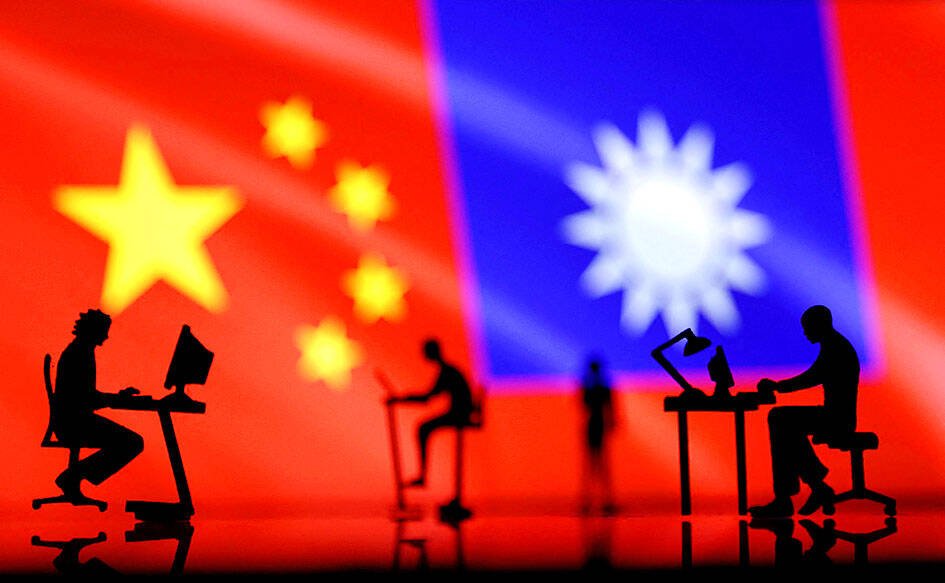
The Chinese Communist Party’s (CCP) United Front Work Department mobilizes Chinese communities around the world through the China Council for the Promotion of Peaceful National Reunification, cultivating groups that promote “peaceful reunification,” Australian Strategic Policy Institute senior analyst Geoff Wade said.
These groups present themselves as grass-roots organizations, but they are actually “a propaganda and manipulation network… whose unrelenting role is to advance the party’s [CCP] influence,” he wrote in an article published on the institute’s Web site on Wednesday last week.
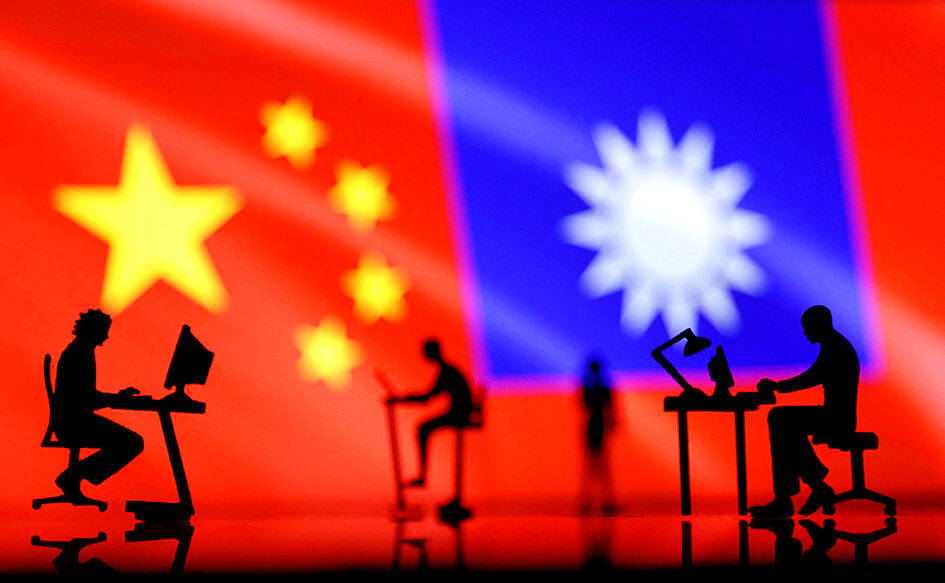
Photo: Reuters
“’Reunification’ in the name means achieving control of Taiwan by Beijing; ‘peaceful’ just makes it sound nicer,” Wade said.
Last month, some of these groups in Niger, Cameroon, Tanzania, Chad and Angola issued “boilerplate statements” against a speech President William Lai (賴清德) made on May 20, he said.
Similar groups in Congo, Guinea and Mozambique also criticized Lai’s planned visit to Eswatini, and a group in Namibia “lambasted a visit to Taiwan by the Paraguayan president,” he added.
These statements, issued only in Chinese, “all reflect CCP messaging from the China Council for the Promotion of Peaceful National Reunification,” Wade said.
These groups spread are only the tip of the iceberg of the CCP’s “united front” network, Wade told CNA in an article published on Saturday.
Over the past half-century, China has built the world’s largest “para-diplomatic influence network,” Wade said.
Groups under this network exert influence in social, political and economic spheres, and collect intelligence for the CCP, at times, they even engage in espionage activities, he said.
Democratic countries should focus on ensuring political transparency and enhance analytical research in response to “united front” organizations and the threats they pose, he added.
There are hundreds of “united front” groups in Australia, the US, Canada, Europe, Japan, South Korea and New Zealand, Wade said, adding that Beijing encourages the establishment of such organizations to control overseas Chinese communities and expand China’s influence abroad.
Considering that these groups operate and report in Chinese, the international community can rely on Taiwan to help understand their activities, he said.
Wade suggested that Taiwan establish a global public database to document the activities of these organizations and map their relationship networks.
Taiwan is more familiar with the CCP and its operations than anywhere else in the world, making it the best place to establish a center to study “united front” organizations and their activities, he said.
Such a center would provide valuable information to the international community and deepen Taiwan’s ties with countries that are concerned about China’s expanding influence and espionage activities, Wade said, adding that it would benefit the whole world.