Wednesday, September 16, 2026
    The GeoStrategic Consensus
    No Result
    View All Result
    • Login
    • HOME
    • AMERICAS
      • Argentina
      • Brazil
      • Canada
      • Chile
      • Colombia
      • Costa Rica
      • Cuba
      • Dominican Republic
      • Ecuador
      • El Salvador
      • Greenland
      • Guatemala
      • Honduras
      • Mexico
      • Nicaragua
      • Panama
      • Paraguay
      • Peru
      • United States
      • Uruguay
      • Venezuela
    • ASIA-PACIFIC
      • Australia
      • Brunei Darussalam
      • Cambodia
      • China
      • Federated States of Micronesia
      • Fiji
      • Indonesia
      • Japan
      • Kiribati
      • Laos
      • Malaysia
      • Marshall Islands
      • Mongolia
      • Myanmar
      • Nauru
      • New Zealand
      • North Korea
      • Palau
      • Papua New Guinea
      • Philippines
      • Samoa
      • Singapore
      • Solomon Islands
      • South Korea
      • Taiwan
      • Thailand
      • Timor-Leste
      • Tonga
      • Tuvalu
      • Vanuatu
      • Vietnam
    • CARICOM
      • CARICOM – Non-English
        • Haiti
        • Suriname
      • CARICOM Associates
        • Anguilla
        • Bermuda
        • British-Virgin-Islands
        • Cayman-Islands
        • Curacao
        • Turks-and-Caicos
      • CARICOM English
        • Antigua and Barbuda
        • Barbados
        • Belize
        • Dominica
        • Grenada
        • Guyana
        • Jamaica
        • Montserrat
        • Saint Kitts and Nevis
        • Saint Lucia
        • Saint Vincent and the Grenadines
        • The Bahamas
        • Trinidad and Tobago
    • EURASIA
      • Armenia
      • Azerbaijan
      • Balarus
      • Georgia
      • Kazakhstan
      • Kyrgyzstan
      • Moldova
      • Russia
      • Tajikistan
      • Turkmenistan
      • Ukraine
      • Uzbekistan
    • EUROPE
      • Albania
      • Andorra
      • Austria
      • Bosnia and Herzegovina
      • Bulgaria
      • Croatia
      • Cyprus
      • Czech Republic
      • Denmark
      • Estonia
      • Finland
      • France
      • Germany
      • Greece
      • Holy See
      • Hungary
      • Iceland
      • Ireland
      • Italy
      • Kosovo
      • Latvia
      • Liechtenstein
      • Lithuania
      • Luxembourg
      • Malta
      • Monaco
      • Montenegro
      • Netherlands
      • North Macedonia
      • Norway
      • Poland
      • Portugal
      • Romania
      • San Marino
      • Serbia
      • Slovakia
      • Slovenia
      • Spain
      • Sweden
      • Switzerland
      • United Kingdom
    • MIDDLE EAST AND NORTH AFRICA
      • Algeria
      • Bahrain
      • Egypt
      • Iran
      • Iraq
      • Israel
      • Jordan
      • Kuwait
      • Lebanon
      • Lybia
      • Morocco
      • Oman
      • Palestinian Territories
      • Qatar
      • Saudi Arabia
      • Syria
      • Tunisia
      • Turkey
      • United Arab Emirates
      • Western Sahara
      • Yemen
    • SOUTH ASIA
      • Afghanistan
      • Bangladesh
      • Bhutan
      • India
      • Maldives
      • Nepal
      • Pakistan
      • Sri Lanka
    • SUB-SAHARAN AFRICA
      • Angola
      • Benin
      • Botswana
      • Burkina Faso
      • Burundi
      • Cabo Verde
      • Cameroon
      • Central African Republic
      • Chad
      • Comoros
      • Cote d’Ivoire
      • Democratic Republic of the Congo
      • Djibouti
      • Equatorial Guinea
      • Eritrea
      • Eswatini
      • Ethiopia
      • Gabon
      • Gambia
      • Ghana
      • Guinea
      • Guinea Bissau
      • Kenya
      • Lesotho
      • Liberia
      • Madagascar
      • Malawi
      • Mali
      • Mauritania
      • Mauritius
      • Mozambique
      • Namibia
      • Niger
      • Nigeria
      • Republic of the Congo
      • Rwanda
      • Sao Tome and Principe
      • Senegal
      • Seychelles
      • Sierra Leone
      • Somalia
      • South Africa
      • South Sudan
      • Sudan
      • Tanzania
      • Togo
      • Uganda
      • Zambia
      • Zimbabwe
    • HOME
    • AMERICAS
      • Argentina
      • Brazil
      • Canada
      • Chile
      • Colombia
      • Costa Rica
      • Cuba
      • Dominican Republic
      • Ecuador
      • El Salvador
      • Greenland
      • Guatemala
      • Honduras
      • Mexico
      • Nicaragua
      • Panama
      • Paraguay
      • Peru
      • United States
      • Uruguay
      • Venezuela
    • ASIA-PACIFIC
      • Australia
      • Brunei Darussalam
      • Cambodia
      • China
      • Federated States of Micronesia
      • Fiji
      • Indonesia
      • Japan
      • Kiribati
      • Laos
      • Malaysia
      • Marshall Islands
      • Mongolia
      • Myanmar
      • Nauru
      • New Zealand
      • North Korea
      • Palau
      • Papua New Guinea
      • Philippines
      • Samoa
      • Singapore
      • Solomon Islands
      • South Korea
      • Taiwan
      • Thailand
      • Timor-Leste
      • Tonga
      • Tuvalu
      • Vanuatu
      • Vietnam
    • CARICOM
      • CARICOM – Non-English
        • Haiti
        • Suriname
      • CARICOM Associates
        • Anguilla
        • Bermuda
        • British-Virgin-Islands
        • Cayman-Islands
        • Curacao
        • Turks-and-Caicos
      • CARICOM English
        • Antigua and Barbuda
        • Barbados
        • Belize
        • Dominica
        • Grenada
        • Guyana
        • Jamaica
        • Montserrat
        • Saint Kitts and Nevis
        • Saint Lucia
        • Saint Vincent and the Grenadines
        • The Bahamas
        • Trinidad and Tobago
    • EURASIA
      • Armenia
      • Azerbaijan
      • Balarus
      • Georgia
      • Kazakhstan
      • Kyrgyzstan
      • Moldova
      • Russia
      • Tajikistan
      • Turkmenistan
      • Ukraine
      • Uzbekistan
    • EUROPE
      • Albania
      • Andorra
      • Austria
      • Bosnia and Herzegovina
      • Bulgaria
      • Croatia
      • Cyprus
      • Czech Republic
      • Denmark
      • Estonia
      • Finland
      • France
      • Germany
      • Greece
      • Holy See
      • Hungary
      • Iceland
      • Ireland
      • Italy
      • Kosovo
      • Latvia
      • Liechtenstein
      • Lithuania
      • Luxembourg
      • Malta
      • Monaco
      • Montenegro
      • Netherlands
      • North Macedonia
      • Norway
      • Poland
      • Portugal
      • Romania
      • San Marino
      • Serbia
      • Slovakia
      • Slovenia
      • Spain
      • Sweden
      • Switzerland
      • United Kingdom
    • MIDDLE EAST AND NORTH AFRICA
      • Algeria
      • Bahrain
      • Egypt
      • Iran
      • Iraq
      • Israel
      • Jordan
      • Kuwait
      • Lebanon
      • Lybia
      • Morocco
      • Oman
      • Palestinian Territories
      • Qatar
      • Saudi Arabia
      • Syria
      • Tunisia
      • Turkey
      • United Arab Emirates
      • Western Sahara
      • Yemen
    • SOUTH ASIA
      • Afghanistan
      • Bangladesh
      • Bhutan
      • India
      • Maldives
      • Nepal
      • Pakistan
      • Sri Lanka
    • SUB-SAHARAN AFRICA
      • Angola
      • Benin
      • Botswana
      • Burkina Faso
      • Burundi
      • Cabo Verde
      • Cameroon
      • Central African Republic
      • Chad
      • Comoros
      • Cote d’Ivoire
      • Democratic Republic of the Congo
      • Djibouti
      • Equatorial Guinea
      • Eritrea
      • Eswatini
      • Ethiopia
      • Gabon
      • Gambia
      • Ghana
      • Guinea
      • Guinea Bissau
      • Kenya
      • Lesotho
      • Liberia
      • Madagascar
      • Malawi
      • Mali
      • Mauritania
      • Mauritius
      • Mozambique
      • Namibia
      • Niger
      • Nigeria
      • Republic of the Congo
      • Rwanda
      • Sao Tome and Principe
      • Senegal
      • Seychelles
      • Sierra Leone
      • Somalia
      • South Africa
      • South Sudan
      • Sudan
      • Tanzania
      • Togo
      • Uganda
      • Zambia
      • Zimbabwe
    No Result
    View All Result
    Agentially
    No Result
    View All Result
    Home AMERICAS Peru

    El Niño: in Education we are also arriving late, by Alfredo Luna Briceño

    The Analyst by The Analyst
    September 15, 2026
    in Peru
    El Niño: in Education we are also arriving late, by Alfredo Luna Briceño


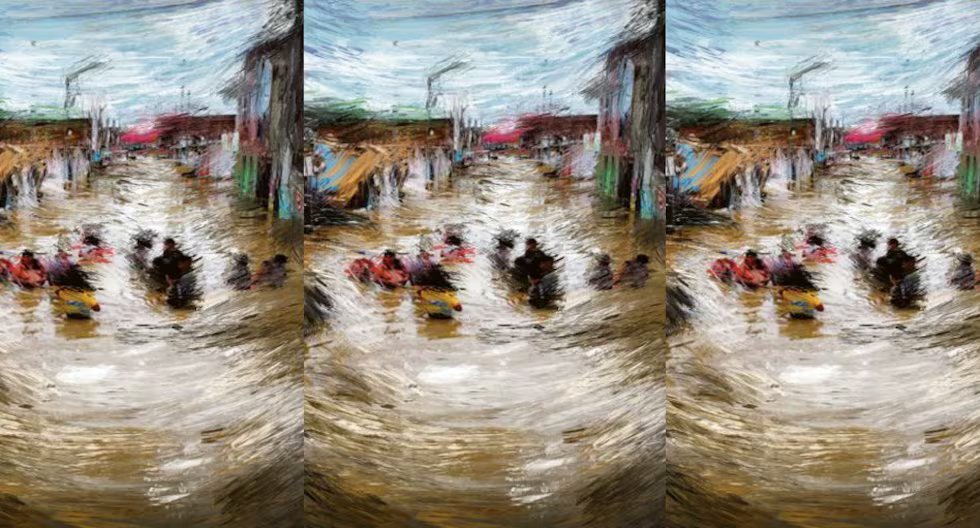
    On August 28, ENFEN raised the probability of a coastal El Niño reaching extraordinary magnitude between September 2026 and January 2027 to 62%. Two weeks earlier, that probability was 41%. The peak is expected between November and December, and warm conditions would last until April 2027.

    READ ALSO

    Los hutíes avanzan sobre Bab el-Mandeb: ¿pueden cerrar otra ruta clave del petróleo mundial? | Arabia Saudita | Estados Unidos | Irán

    Trujillo: young man detained for the kidnapping of Jenss Lara and murder of his four companions is released

    It is advisable to read this projection together with other data: of the more than 55 thousand public educational institutions in the country, about 27 thousand are at risk, according to Pronied himself. And along with a third: on August 27, the Government declared the public educational infrastructure at the national level in an emergency situation through Supreme Decree 013-2026-MINEDU and granted the Ministry of Education a period of thirty business days – which expires in the first half of October – to formulate the standard that will create a functional educational infrastructure system and its governing body.

    That is, the rule that will define how the State will manage the country’s schools over the next decade is being written exactly in the weeks prior to the most severe rainy season anticipated since 2017. That coincidence is not an administrative detail. It is an opportunity that will not be repeated soon and the central argument of this article is that we should not waste it by reducing the new system to a discussion about works.

    When we talk about preparing schools for El Niño, we usually focus on roofs, drainage, electrical installations, accesses and vulnerable structures. It is essential to do so. It is also insufficient.

    The 2017 coastal Niño figures show this clearly. That event left 354 educational institutions destroyed and 3,266 affected. But, in the same period, it destroyed 66,093 homes and affected another 371,370. The phenomenon does not distinguish between educational infrastructure and housing: a flood or a landslide simultaneously compromises the school, the student’s home, the access road, drinking water, electricity and the health facility. A physically operational school does not guarantee that children will be able to attend classes if the environment collapses.

    Therefore, the unit of analysis cannot continue to be the school premises. It must be the educational community and its immediate territory. Seven concrete measures are derived from this premise, all of them executable before the heavy rains begin and none of them dependent on a new extraordinary budget.

    The State should publish the classification of each educational institution by risk level – critical, high, medium or low –, identified by its modular code. Prioritization must consider the structural condition of the premises, its exposure to floods, landslides and landslides, its access and basic services and, additionally, the vulnerability of its students’ homes.

    It is not about each school inspecting the homes of its students. It involves cross-referencing information that the State already produces: danger maps, flood zones and active streams, housing characteristics, accessibility, service coverage and location of the student population. Ingemmet has already deployed brigades to identify more than 2,100 critical points in fourteen departments. Education knows where its students are. Housing has housing and territorial information. Regional and local governments know their roads and their services.

    The challenge is not to create another system. It is making those who already exist converse and assigning someone the responsibility of making them converse.

    Not every preventive action requires an investment project. Waterproofing roofs, repairing and installing gutters, resizing drains, protecting electrical panels and cisterns, stabilizing slopes, clearing evacuation routes or sealing water entry points can mean the difference between keeping a school operational and closing it. Pronied has already announced a preventive maintenance plan for coverage and drainage systems for schools at risk, subject to the corresponding budget allocation.

    It is worth specifying something about that “subject to”: Emergency Decree 008-2026, published in August, already enables entities of the national government, regional governments and local governments to reallocate resources to protect schools, roads and other exposed public infrastructure, with express exceptions to the restrictions of the Budget Law. The country allocated more than S/ 4.2 billion to prevention for 2026 and 2027. The problem, then, is not exclusively one of availability of funds: it is one of prioritization criteria, execution capacity and speed.

    To this can be added a proven and underused mechanism in this field: Works for Taxes. For smaller-scale, standardizable and rapid-execution interventions—precisely the profile of school preventive maintenance—it makes it possible to mobilize private management capacity without waiting for the ordinary cycle of public investment. It is an avenue that the regional governments of the north coast should be activating this month, not in January.

    From infrastructure management, there is an elementary rule: postponing a necessary intervention does not save. It moves the cost forward and multiplies it. Students at risk and missed classes pay first; then, their families; finally, the State again. Three years after the 2017 emergency, only around 6% of the affected schools had been rebuilt. That’s the real price of being late.

    There will be situations in which prevention is not enough. The suspension of classes is no longer a hypothesis: the Ministry of Education brought forward the closing of the school year in Piura to November 27, three weeks earlier than planned, precisely so that the calendar does not coincide with the period of greatest risk.

    That decision is correct, but it came as a specific response to a region. It should become a planned instrument: a flexible school calendar for high-exposure territories, which makes it possible to advance teaching hours and “save” school days before the peak of rain, instead of improvising cuts when the emergency is already upon us. It should also be projected onto the start of the 2027 school year, which will occur with the rainy season still active.

    In parallel, each educational institution in a critical risk area should now have a continuity plan: identified alternative locations, temporary spaces, transfer possibilities and, when appropriate, blended mechanisms. The question is not whether classes will have to be suspended. It’s how we ensure education continues when the building can’t be used.

    A safe school can be, during an emergency, one of the few public buildings capable of protecting the population. In 2023, after Cyclone Yaku, several educational institutions used as shelters started the school year a week later than the rest.

    It is a legitimate function, but it should not be improvised: temporarily protecting families cannot mean indefinitely interrupting the education of students at that location. The territories with the greatest exposure should define in advance which schools could fulfill that function – due to structural safety, capacity, hygienic services, availability of water and location -, with what time limit and under what alternative educational care scheme and, above all, which ones should never be used for that purpose.

    It is worth noting the sequence that follows: the same school premises can be, in just four months, a classroom, a voting station and a shelter.

    Emergency Decree 008-2026 already obliges entities that receive or reallocate resources for El Niño to report monthly the physical and financial progress of their interventions to the National Commission for Risk Management of the El Niño Phenomenon. The obligation exists. What is missing is for this report to be public, understandable and disaggregated by school location.

    A parent should be able to know not only if their child’s school is classified as at risk, but also what intervention was programmed, with what budget, by what entity, with what end date and what percentage of progress is recorded. Publishing what is already reported does not cost an additional sole and turns an administrative intention into a verifiable commitment. What does not have a person responsible, a deadline and an indicator can hardly be evaluated.

    This is probably the least discussed and most urgent point. On October 4, 13,148 regional and municipal authorities are elected. They will take office on January 1, 2027, that is, at the exact moment when the peak of El Niño is projected. The mayors and governors who today know their ravines, their critical points and their vulnerable schools will not, in many cases, be the ones to manage the emergency.

    Two simple measures reduce that risk. The first: incorporate into the transfer minutes of the regional and local governments a mandatory and standardized file of risk and educational continuity – classified schools, ongoing interventions, identified alternative premises, shelter protocol and current contracts -, so that the information does not depend on the will of the person handing over the position. The second: take advantage of the fact that the majority of the voting locations are schools and that on October 4 there will be State personnel in each of them to prepare, on that same day, a basic and homogeneous file on the state of the location. It would be the cheapest and quickest inventory the country can get before the rains.

    After the emergency, there remains a task that we usually avoid: breaking the cycle of damage, repair and new damage. If a school floods repeatedly, repairing its walls and returning it to service in the same conditions is not a solution; It is an advance of the next expense. Rebuilding must mean correcting the vulnerability that allowed the damage and, in some cases, accepting that the correct response is relocation.

    The same goes for housing. A family that has lost their home, their belongings, or their source of income will have enormous difficulty sustaining their children’s attendance and learning. There is no educational continuity that is sustained on a destroyed home.

    Indicators of success against El Niño should not be limited to counting schools repaired after the rains. We should measure how many students were protected, how many vulnerable families were identified before the emergency, how many days of school we avoided losing, how many premises were no longer exposed to the same risk and how many critical schools came into the season with an effectively approved continuity plan.

    Peru knows the effects of El Niño. It knows its most vulnerable territories and has enough information to anticipate. It also has something that it has not always had: a rule in development that can institutionalize all this permanently and a deadline that expires in October.

    A resilient school is not only one whose building resists rain. It is one whose community can go through an emergency without its children losing security, housing and education at the same time.

    We cannot stop the natural phenomenon. We can avoid arriving too late.



    Source link

    Related Posts

    Los hutíes avanzan sobre Bab el-Mandeb: ¿pueden cerrar otra ruta clave del petróleo mundial? | Arabia Saudita | Estados Unidos | Irán
    Peru

    Los hutíes avanzan sobre Bab el-Mandeb: ¿pueden cerrar otra ruta clave del petróleo mundial? | Arabia Saudita | Estados Unidos | Irán

    September 16, 2026
    Trujillo: young man detained for the kidnapping of Jenss Lara and murder of his four companions is released
    Peru

    Trujillo: young man detained for the kidnapping of Jenss Lara and murder of his four companions is released

    September 15, 2026
    Peru tremor today, September 15: earthquake report, epicenter location and magnitude via IGP
    Peru

    Peru tremor today, September 15: earthquake report, epicenter location and magnitude via IGP

    September 15, 2026
    The true alarm of mining employment, by Raúl Benavides Ganoza
    Peru

    The true alarm of mining employment, by Raúl Benavides Ganoza

    September 15, 2026
    Surco: two cars collide at dawn on the South Expressway in a spectacular traffic accident
    Peru

    Surco: two cars collide at dawn on the South Expressway in a spectacular traffic accident

    September 15, 2026
    More than S/ 1.3 million in debts: trusted Minsa official has not paid three banks since 2025
    Peru

    More than S/ 1.3 million in debts: trusted Minsa official has not paid three banks since 2025

    September 15, 2026
    Next Post
    Andorra and Spain strengthen cross-border cooperation with the visit of Minister Albares

    Andorra and Spain strengthen cross-border cooperation with the visit of Minister Albares

    POPULAR NEWS

    2026 Regional and International Conventions of Jehovah’s Witnesses

    2026 Regional and International Conventions of Jehovah’s Witnesses

    July 7, 2026
    Thaksin, Yingluck and Paetongtarn meet Indonesian President Prabowo for investment talks

    Thaksin, Yingluck and Paetongtarn meet Indonesian President Prabowo for investment talks

    July 13, 2026
    This is how Nicolás Maduro and Cilia Flores reappeared in their hearing

    This is how Nicolás Maduro and Cilia Flores reappeared in their hearing

    July 24, 2026
    No deliverance: when gig workers fall prey to road accidents

    No deliverance: when gig workers fall prey to road accidents

    July 25, 2026
    India’s imports from China soar to $80 billion in first half of 2026, exports up 37%

    India’s imports from China soar to $80 billion in first half of 2026, exports up 37%

    July 16, 2026

    EDITOR'S PICK

    Department of Diaspora Affairs launches official diaspora registration QR code

    Department of Diaspora Affairs launches official diaspora registration QR code

    September 11, 2026
    The harvest of wheat in Logar has increased by 12 percent compared to last year

    The harvest of wheat in Logar has increased by 12 percent compared to last year

    July 16, 2026

    16 vessels flagged in crackdown on illegal fishing

    August 19, 2026
    Milove Fontaine to represent Antigua and Barbuda at Caribbean pageant in BVI

    Milove Fontaine to represent Antigua and Barbuda at Caribbean pageant in BVI

    July 9, 2026

    Recent Posts

    • Military Technological College opens new facilities
    • Notice of adjustment of start and end of working hours in the last 6 months of the year
    • The boom and bust of sporting culture in A.P.
    • The trail of crime and drug trafficking that hides a luxurious establishment in the Santa Bárbara Shopping Center

      © 2026 Agentially - Navigating shifting sovereignties and global risk .

      Welcome Back!

      Login to your account below

      Forgotten Password?

      Retrieve your password

      Please enter your username or email address to reset your password.

      Log In
      No Result
      View All Result
      • HOME
      • AMERICAS
        • Argentina
        • Brazil
        • Canada
        • Chile
        • Colombia
        • Costa Rica
        • Cuba
        • Dominican Republic
        • Ecuador
        • El Salvador
        • Greenland
        • Guatemala
        • Honduras
        • Mexico
        • Nicaragua
        • Panama
        • Paraguay
        • Peru
        • United States
        • Uruguay
        • Venezuela
      • ASIA-PACIFIC
        • Australia
        • Brunei Darussalam
        • Cambodia
        • China
        • Federated States of Micronesia
        • Fiji
        • Indonesia
        • Japan
        • Kiribati
        • Laos
        • Malaysia
        • Marshall Islands
        • Mongolia
        • Myanmar
        • Nauru
        • New Zealand
        • North Korea
        • Palau
        • Papua New Guinea
        • Philippines
        • Samoa
        • Singapore
        • Solomon Islands
        • South Korea
        • Taiwan
        • Thailand
        • Timor-Leste
        • Tonga
        • Tuvalu
        • Vanuatu
        • Vietnam
      • CARICOM
        • CARICOM – Non-English
          • Haiti
          • Suriname
        • CARICOM Associates
          • Anguilla
          • Bermuda
          • British-Virgin-Islands
          • Cayman-Islands
          • Curacao
          • Turks-and-Caicos
        • CARICOM English
          • Antigua and Barbuda
          • Barbados
          • Belize
          • Dominica
          • Grenada
          • Guyana
          • Jamaica
          • Montserrat
          • Saint Kitts and Nevis
          • Saint Lucia
          • Saint Vincent and the Grenadines
          • The Bahamas
          • Trinidad and Tobago
      • EURASIA
        • Armenia
        • Azerbaijan
        • Balarus
        • Georgia
        • Kazakhstan
        • Kyrgyzstan
        • Moldova
        • Russia
        • Tajikistan
        • Turkmenistan
        • Ukraine
        • Uzbekistan
      • EUROPE
        • Albania
        • Andorra
        • Austria
        • Bosnia and Herzegovina
        • Bulgaria
        • Croatia
        • Cyprus
        • Czech Republic
        • Denmark
        • Estonia
        • Finland
        • France
        • Germany
        • Greece
        • Holy See
        • Hungary
        • Iceland
        • Ireland
        • Italy
        • Kosovo
        • Latvia
        • Liechtenstein
        • Lithuania
        • Luxembourg
        • Malta
        • Monaco
        • Montenegro
        • Netherlands
        • North Macedonia
        • Norway
        • Poland
        • Portugal
        • Romania
        • San Marino
        • Serbia
        • Slovakia
        • Slovenia
        • Spain
        • Sweden
        • Switzerland
        • United Kingdom
      • MIDDLE EAST AND NORTH AFRICA
        • Algeria
        • Bahrain
        • Egypt
        • Iran
        • Iraq
        • Israel
        • Jordan
        • Kuwait
        • Lebanon
        • Lybia
        • Morocco
        • Oman
        • Palestinian Territories
        • Qatar
        • Saudi Arabia
        • Syria
        • Tunisia
        • Turkey
        • United Arab Emirates
        • Western Sahara
        • Yemen
      • SOUTH ASIA
        • Afghanistan
        • Bangladesh
        • Bhutan
        • India
        • Maldives
        • Nepal
        • Pakistan
        • Sri Lanka
      • SUB-SAHARAN AFRICA
        • Angola
        • Benin
        • Botswana
        • Burkina Faso
        • Burundi
        • Cabo Verde
        • Cameroon
        • Central African Republic
        • Chad
        • Comoros
        • Cote d’Ivoire
        • Democratic Republic of the Congo
        • Djibouti
        • Equatorial Guinea
        • Eritrea
        • Eswatini
        • Ethiopia
        • Gabon
        • Gambia
        • Ghana
        • Guinea
        • Guinea Bissau
        • Kenya
        • Lesotho
        • Liberia
        • Madagascar
        • Malawi
        • Mali
        • Mauritania
        • Mauritius
        • Mozambique
        • Namibia
        • Niger
        • Nigeria
        • Republic of the Congo
        • Rwanda
        • Sao Tome and Principe
        • Senegal
        • Seychelles
        • Sierra Leone
        • Somalia
        • South Africa
        • South Sudan
        • Sudan
        • Tanzania
        • Togo
        • Uganda
        • Zambia
        • Zimbabwe

      © 2026 Agentially - Navigating shifting sovereignties and global risk .

      This website uses cookies. By continuing to use this website you are giving consent to cookies being used. Visit our Privacy and Cookie Policy.