The World Bank Group has released US$11 million to help the Republic of the Marshall Islands respond to El Niño conditions and an ongoing dengue outbreak that are putting pressure on families and public services. The financing follows the government’s declaration of a State of Emergency on October 8, 2026, and its request for access to emergency funds. The support is intended to help communities manage the effects of both emergencies and keep essential services operating.
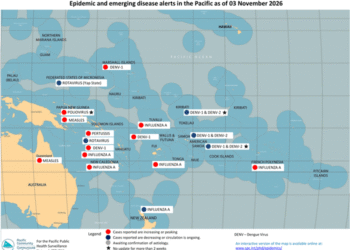
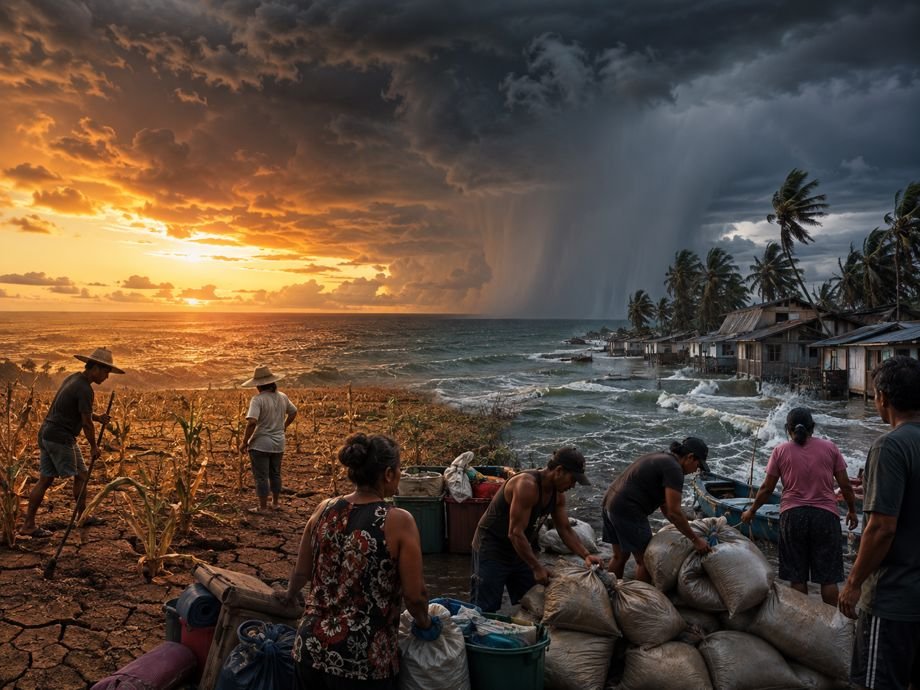
El Niño conditions have brought hazardous winds and ocean swells, creating difficult conditions for communities across the island nation. Increasingly dry conditions are putting pressure on water supplies, food security and the livelihoods that families depend on. The dengue outbreak has affected Majuro and Ebeye, adding to the demands on health services and government resources.
Tatiana Proskuryakova, the World Bank Group’s Director for the South and North Pacific, said the emergencies were adding pressure to daily life and the services families rely on. She described the rapid financing as a way to get support to communities when they need it most.
Emergency financing arranged in advance
The US$11 million comes through the Marshall Islands’ Catastrophe Deferred Drawdown Option, a financing arrangement established before an emergency occurs. It allows the government to access funds when a qualifying emergency arises, providing a prepared source of financial support. The current drawdown follows the government’s request and emergency declaration, building on measures the country has taken to respond more quickly to shocks.
Earlier financing for households facing the fuel crisis
Earlier in 2026, the Marshall Islands became the first country in East Asia and the Pacific to activate the World Bank Group’s Contingent Emergency Response Project. That activation mobilised US$3.6 million from the country’s existing World Bank Group portfolio to help households cope with the fuel crisis. The earlier response reflects the government’s efforts to prepare financing arrangements that can be used when unexpected pressures affect communities.
Stronger preparation for future emergencies
David Paul, the Marshall Islands’ Minister of Finance, said the release demonstrated the value of preparing financially before a crisis occurs. He explained that strengthening financial preparedness in advance allows the country to access resources quickly when emergencies arise. That preparation helps the government respond more effectively to protect communities and maintain essential services during periods of disruption.
The World Bank Group continues to work with the government to strengthen disaster risk management and public financial management. Technical assistance is being provided by the Global Facility for Disaster Reduction and Recovery, known as GFDRR, to support the government’s work. These efforts are intended to help the Marshall Islands withstand future shocks and protect the foundations for growth, jobs and opportunity.