Havana/Authorities of the Cuban Ministry of Public Health denounced this Tuesday the impact on that sector due to the reinforcement of the measures of the embargo and the United States oil blockade on the Island, and indicated that they have adopted preventive and control measures in the epidemiological area.
The vice minister, Carilda Peña García, stated on state television that Washington’s intensified blockade has affected the medical protocols approved for public health on the Island, with the lack of fuel and financial obstacles for the acquisition of supplies for the production of medicines such as diagnostics and vaccines for the prevention of communicable diseases.
He pointed out as an example that currently 95,555 people are awaiting surgeries in the country, of which 5,152 are undergoing interventions for oncological diseases, while 2,888 hemodialysis patients are affected in their systematic treatment due to water and electricity failures.
Peña also stressed that chronic patients with some pathologies requiring prolonged treatments cannot have a better quality of life due to the current situation generated by US sanctions.
Peña also stressed that chronic patients with some pathologies requiring prolonged treatments cannot have a better quality of life due to the current situation generated by US sanctions.
Among the effects, he also mentioned that there are health institutions that do not have an elevator, laundry resources, the construction state of the facilities and that transportation problems affect the transfer of supplies to the offices, and of doctors and nurses.
“The sector has needed a series of reengineering measures to alleviate the situation. The premise is not to close any health unit, try to maintain services as far as possible and make optimal use of the resources that exist,” he stated.
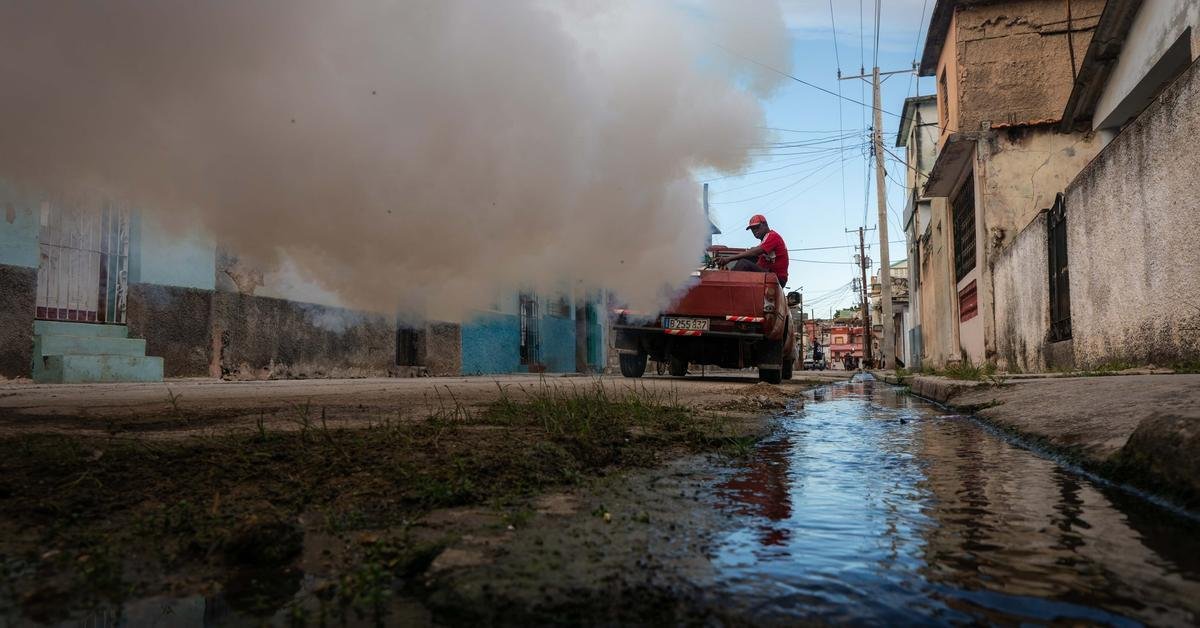
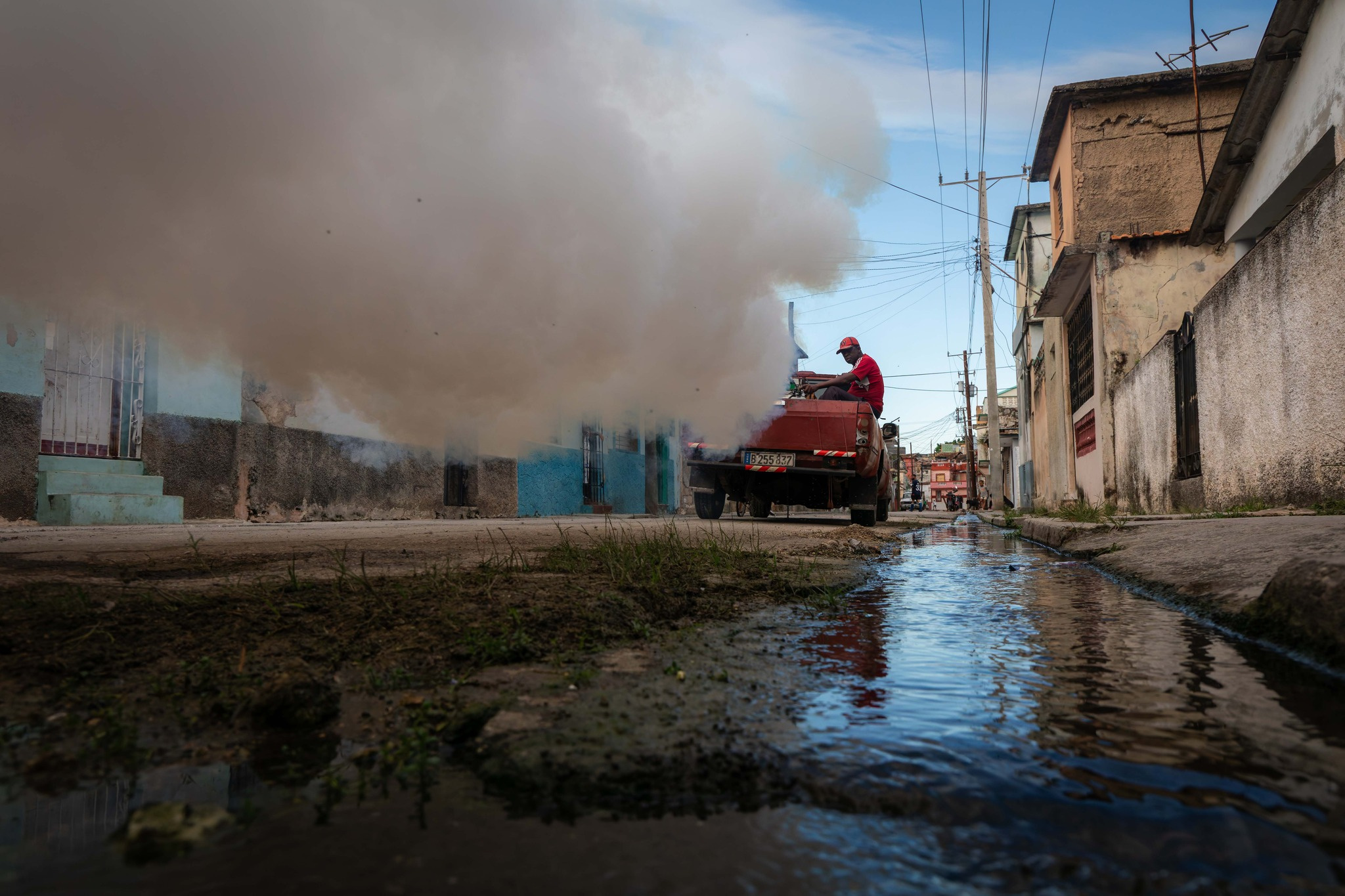
The vice minister emphasized that at this time of year the high temperatures, humidity and also the accumulation of garbage due to the fuel crisis, as well as water leaks affect environmental management, which favors the conditions for the proliferation of mosquitoes. aedes aegypti, transmitters of diseases such as dengue and chikungunya.
In that sense, he recalled the epidemic months ago, pointed out that dengue is an endemic pathology in Cuba, and although he said that currently the rate of suspected cases “is very low,” he warned that localized outbreaks may appear because this arbovirus circulates in the country.
He also warned about acute diarrheal disease, common in the summer season, with the warning to pay special attention to prevent it from affecting children under one year of age and the elderly.
He also warned about acute diarrheal disease, common in the summer season, with the warning to pay special attention to prevent it from affecting children under one year old and the elderly.
For her part, the director of surveillance and vector control, Madeleine Rivera, explained that they are currently applying a plan to confront arboviruses with the use of abate, a product that eliminates mosquito breeding sites and they have a highly effective insecticide, but in addition to the cost – 1,556 dollars per ton of the 900 needed per year – they have limitations with the fuel to operate the fumigation equipment.
The Round Table was broadcast a few minutes before the agreement was announced for a American company exports fuel in large quantities to private ones, facilitated by the governments of the United States and Cuba.
It is unknown with what reserves the health services are currently operating, after only two oil tankers have arrived in Cuba in the last six months, one Mexican in January and another Russian in March.
With what little there is and what it is believed that the State buys from private companies, which until now imported in small quantities, the State barely covers its demands, including what is needed for police operations or large support marches, as denounced by the population.