Estonia has more than 400 churches, and at least 50 of them will need roof repairs in the coming years.
Roof and tower repairs are considered essential because their poor condition can endanger the building’s survival. Anti Toplaan, pastor of the Kuressaare congregation, said current funding is not enough to cover all necessary work.
“The entire [yearly] heritage budget would restore maybe two or three roofs across Estonia,” Toplaan said. At least 50 churches in Estonia need roof repairs. “It is a significant number, and not all potential applicants are even included.”
The National Heritage Board distributes slightly more than €2 million a year for church renovations, but applications exceed €25 million. Because there are far more applicants than available funds, state support must be divided among many churches, and repair work often stretches over several years.
Kais Matteus, head of the advisory department at the National Heritage Board, said the goal is to help as many churches as possible with the available money.
“Support is divided into smaller stages,” she said. “Instead of fully restoring a few buildings at once, it has been important for us that more owners can gradually improve the condition of their buildings, carry out urgent emergency work and prevent further deterioration.”
Matteus said this approach can also have advantages. “Dividing work into stages is not always a bad thing. Sometimes it allows for more thoughtful, long‑term planning.”
State support alone is not enough to fund repairs. To receive grants, congregations must provide at least 10 percent co‑financing, and local governments, businesses or donors often step in to help. For smaller congregations, this is difficult because they have few members and cannot maintain churches solely through member donations.
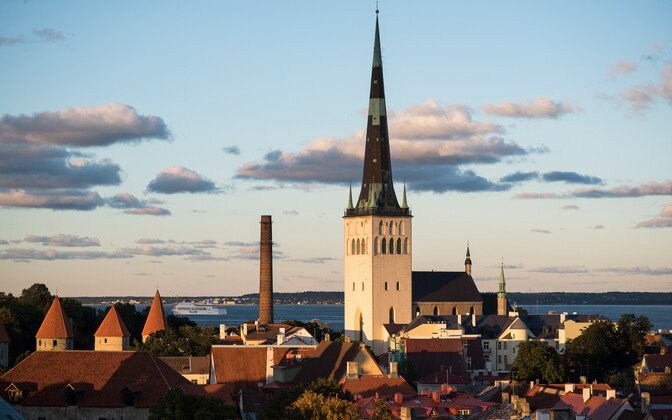
Several Tallinn churches also need roof work, including Jaani Church, Kaarli Church and Oleviste Church. Veljo Kaptein, senior pastor of Oleviste, said the congregation faces one of its largest renovation projects in the coming years, which may cost up to €3 million. Kaptein said the project is beyond the congregation’s means, and like many others, they hope for support from donors and benefactors.
—