SPONSORED CONTENT
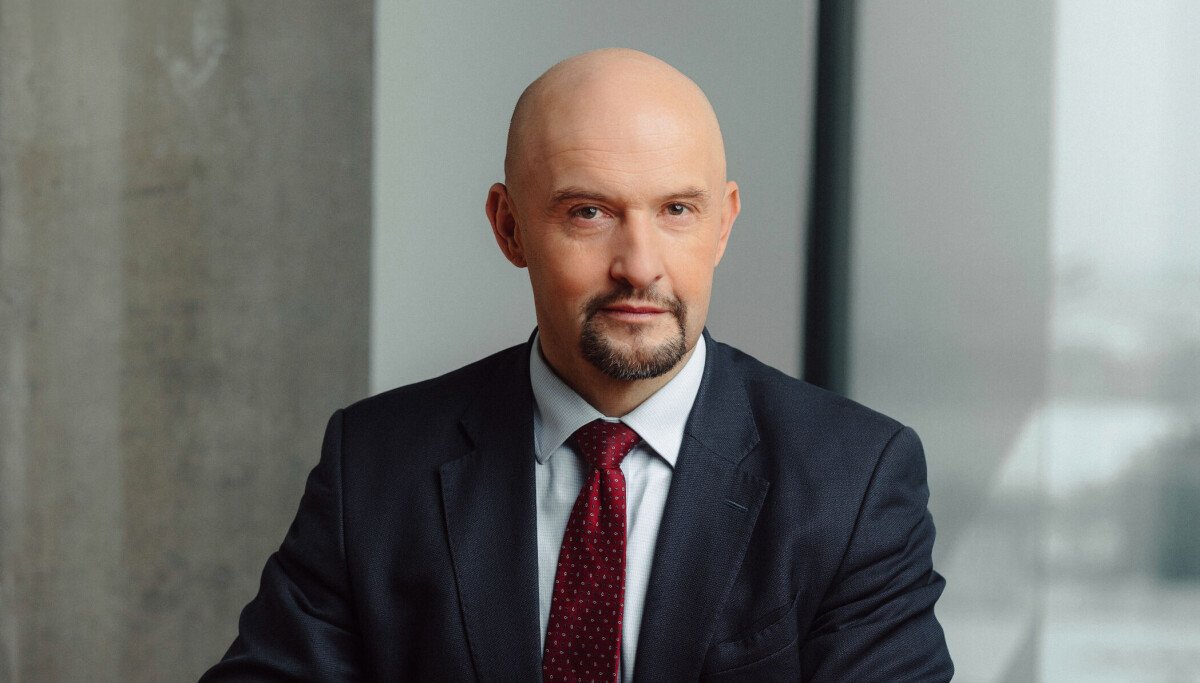
The best remedy against disinformation is to try to make visible the techniques used, so that citizens become more resistant to the false stories. This is according to the director of the NATO Strategic Communications Center of Excellence (NATO StratCom COE), Jānis Sārts, who is visiting the Future Greenland conference in May.
Electoral interference in Romania and Moldova, undermining NATO support for Ukraine and most recently a campaign trying to create the impression that Russia is about to invade the Baltic countries. These are just some of the latest examples of disinformation that the NATO Strategic Communications Center of Excellence (StratCom COE) has looked into.
Since 2015, Jānis Sārts has been the director of the StratCom COE, which researches how new technologies are used by hostile states or organizations to spread false or misleading information with the aim of achieving a specific goal.
In May, he will attend the Future Greenland conference in Nuuk.
– It will be the first time I visit Greenland, so I am looking forward to it, says Jānis Sārts, who has a background in the defense sector and who has also been state secretary in the Ministry of Defense in Latvia for seven years.
Prevention and control
The StratCom COE was established in 2014 almost at the same time as Russia annexed the Crimean peninsula, and in the following years the center’s experts have been busy, because the extent of disinformation from, among others, Russia and China, terrorist groups, economic and political criminals and many others increases year by year. The communication center focuses on analyzing how the false stories arise and trying to prevent it from happening again. According to Jānis Sārts, prevention works better than treating symptoms or fighting once a false story is out in the public domain.
– The most natural thing is to try to correct and correct misinformation. But it’s actually not the most effective. And in some cases you can actually reinforce a false narrative by reacting, says Jānis Sārts, who instead works with so-called “prebunking”, which is about exposing and warning against disinformation and false narratives and the tactics used before they spread to the public.
– The best medicine is to make people more resistant to disinformation. It is, in a way, a form of vaccination, says Jānis Sārts, who adds that one method is also to close special networks, for example Russian networks, as several Baltic countries have done, among other things, which makes it harder for Russia to spread the false stories.
Misinformation and freedom of expression
The big challenge is to locate disinformation and separate it from misinformation, because where disinformation is the spread of information that the sender knows is false, misinformation is the spread of incorrect information that the sender believes to be true.
– Studies show that we humans lie on average four times a day, so lies and false stories are nothing extraordinary. Disinformation differs from misinformation in that it is typically a more coordinated attack by several people or a transnational network with a specific purpose in mind. And this is some of what we monitor and track online, says Jānis Sārts, who also draws attention to the importance of freedom of expression in a democratic society.
– We are trying to create some reaction mechanisms to disinformation that do not stifle freedom of expression, which is very, very important. We always keep in mind whether a person is possibly just lying or saying something for fun, for which there must be room.
The role of social media
According to Jānis Sārts, it is also important that the traditional media are aware of their role in relation to source criticism and fact-checking.
– A population cannot rely solely on what a government says is false or true. There is a need for independent actors, journalists and others who deal with the stories that are spread and the mechanisms that are used. For example, on social media where you can buy 100,000 likes for 300 euros, which makes it even easier to manipulate, and we actually increasingly see social media as the source of many false stories, says Jānis Sārts, who believes that with AI technology just around the corner, we are looking into a future where those who control the artificial intelligence infrastructure will be able to control how we humans think and act in given situations.
– Many AI systems today are better at debating and influencing than most people are. We have to deal with that because it could potentially develop into a bad scenario, says Jānis Sārts.
The article is sponsored by Grønlands Erhverv.