The capabilities of image generation models have expanded bartificial intelligence To include the production of visual documents containing clear, usable text, such as receipts, bank alerts, and ID cards, bringing these technologies into direct contact with everyday financial transactions.
In this context, a report published by The Atlantic magazine reveals a qualitative shift in the use of generated imagesartificial intelligenceso that it is no longer limited to entertainment or misinformation, but has become a potential tool in fraudulent operations. The report cites as an example a fake photo of US President Donald Trump appearing in a satirical clip on TikTok. Despite its unrealistic nature, the image appeared visually convincing and free of obvious errors.
This image was created using the ChatGPT Images 2.0 model developed by OpenAI, which is capable of producing accurate photographic images. According to the report, this model contributed to the spread of highly realistic fake images, including public figures, but it showed greater effectiveness in producing content that does not directly attract attention.
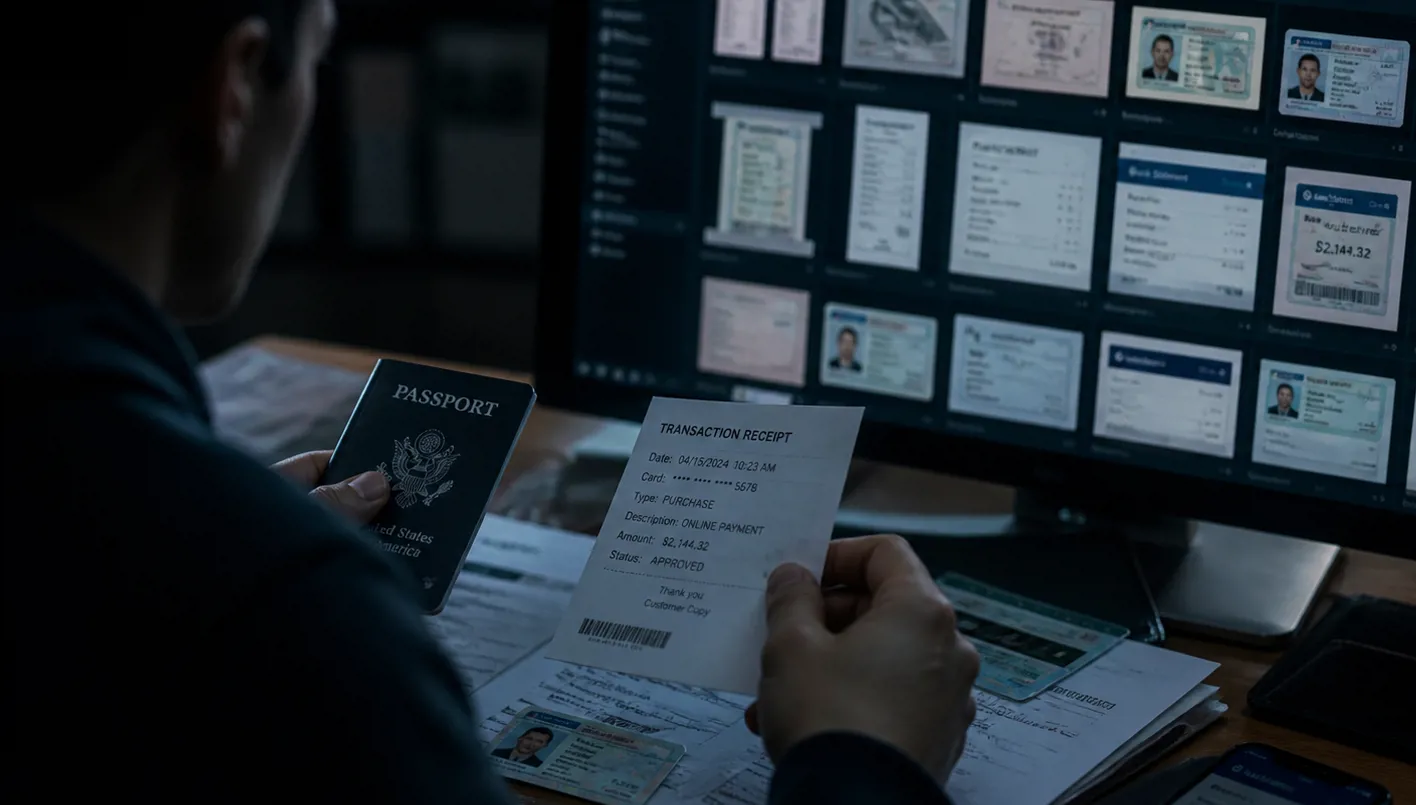
With limited effort, more than 100 fraudulent images were created, including prescriptions, bank alerts, receipts, and identification documents. The importance lies in the model’s ability to insert clear texts into images, a feature that was a weakness in previous models, which makes these materials more convincing in practical use.
The model also allows the production of fake health and financial documents with precise visual details, such as invoices and tax forms, in addition to screenshots that appear to be issued by real parties. This material can be used in known fraudulent tactics, such as sending fake receipts with links that prompt the user to share sensitive data.
OpenAI. (archives)
However, these images are not without flaws. Errors in calculations or inaccurate details may appear on some items, and some documents may not be usable, such as boarding passes containing invalid codes. However, these errors are still not enough to prevent users from being deceived in many cases.
The report indicates that image manipulation is not new, but the current difference is speed of production, low cost, and ease of access. An FBI report stated that Internet-related fraud, including the use of… artificial intelligenceIt cost about a billion dollars in one year.
Although OpenAI and other companies such as Google impose restrictions on the use of these tools, these restrictions do not completely prevent misuse, especially with the possibility of removing image metadata.
Ultimately, this development reflects the transition of fraud to a level that relies on daily visual materials that are difficult to question, which complicates the task of verification and increases the challenges in protecting financial transactions.