“We are currently monitoring the situation in the Middle East. Now the price of oil has fallen. If it continues to have a downward trend, perhaps it is not worth continuing because it is not a cheap measure and its effect is relatively small,” the minister told LRT radio on Tuesday.
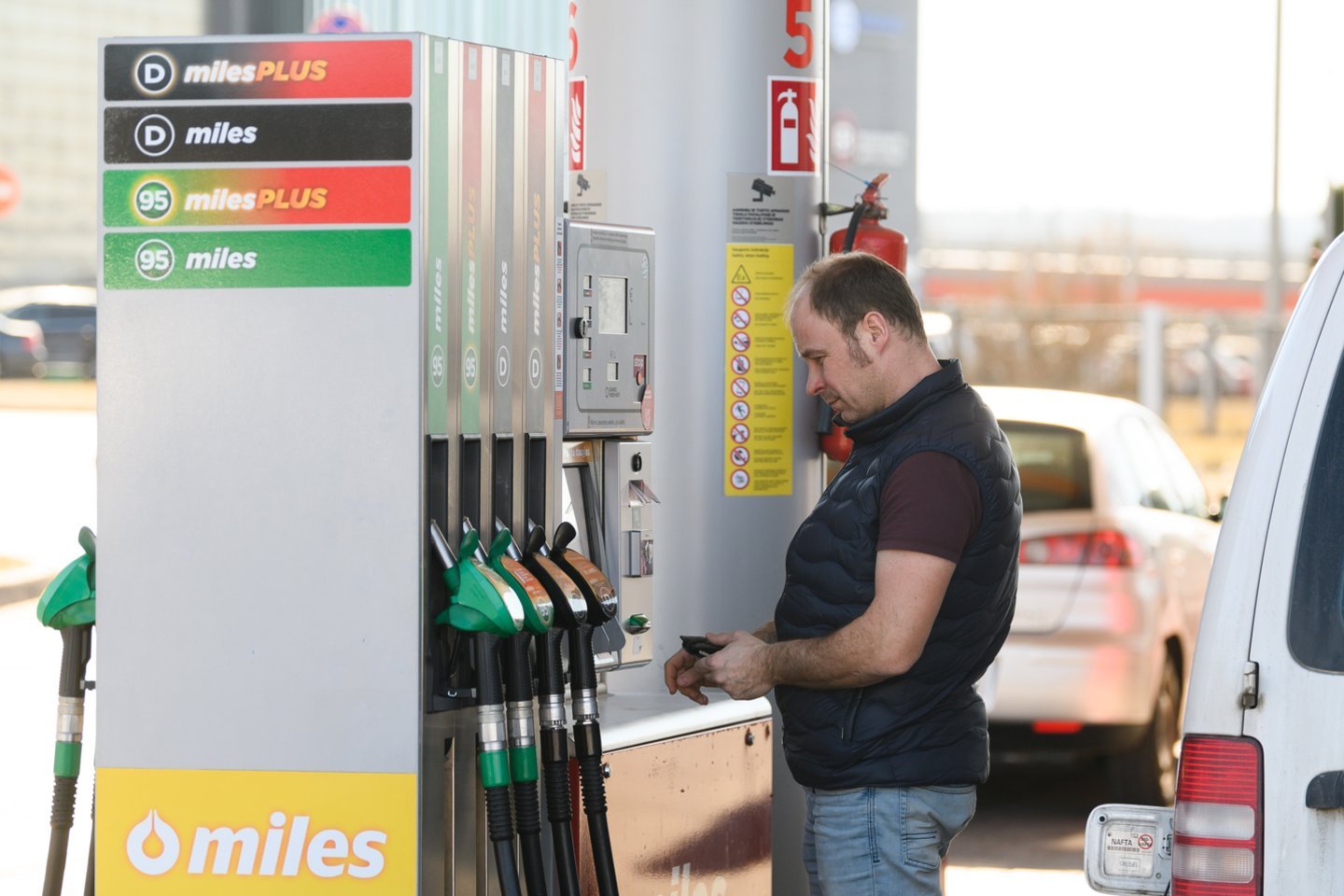
Due to the fuel crisis in the Middle East due to the conflict, in mid-April the Seimas adopted the measure proposed by the Government as a matter of urgency – it reduced the excise duty on diesel by the middle of June, using the above-scheduled value added tax (VAT) revenues.
The Ministry of Finance then calculated that the final price of fuel for residents would decrease by approximately 6 cents per liter (including VAT). True, the measure will expire in 2026. June 16, unless the parliament decides to extend it.
On Tuesday, the chief adviser to the president, Vaidas Augustinavičius, emphasized that if the situation in the oil sales market changes again due to the situation in the Strait of Hormuz or other factors, the Government should restore the measures applied until now, which were supposed to ease the burden on the population.
Lithuania has taken different measures to solve the fuel crisis – for this, the diesel excise duty has been temporarily reduced, and the parliament is urgently considering the president’s proposal to establish a mechanism that would determine the highest possible prices for gasoline and diesel fuel on a daily basis.
From April 8 the order of the Minister of Energy is also in force, according to which gas stations are open until 10 a.m. every day. must provide information on fuel sales prices to the Lithuanian Energy Agency (LEA).
The Seimas should also have a final vote on whether to allow gas stations to increase fuel prices only once a day.
Another measure, created by the initiative of the Minister of Transport Juros Taminskas and the train transport company LTG Link, is 50 percent. discount on all train tickets – expired on Monday 1st June.
In order to help control the consequences of the crisis in the Middle East, the European Commission (EC) has also made it easier to allocate state aid to the most affected business sectors.