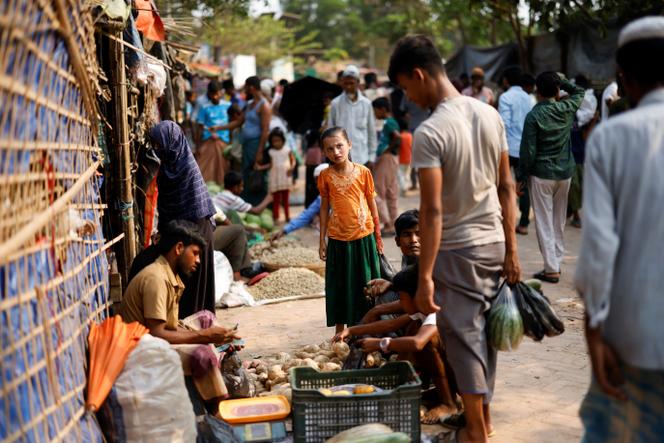
Mohammad Ullah loved to joke and smiled constantly. “Despite our daily lives filled with uncertainty, suffering, and a constant struggle to survive, he remained funny and cheerful. Everyone remembers him,” said his friend Ajas Khan, 22, reached via video call from a grocery store in Kutupalong, the world’s largest refugee camp.
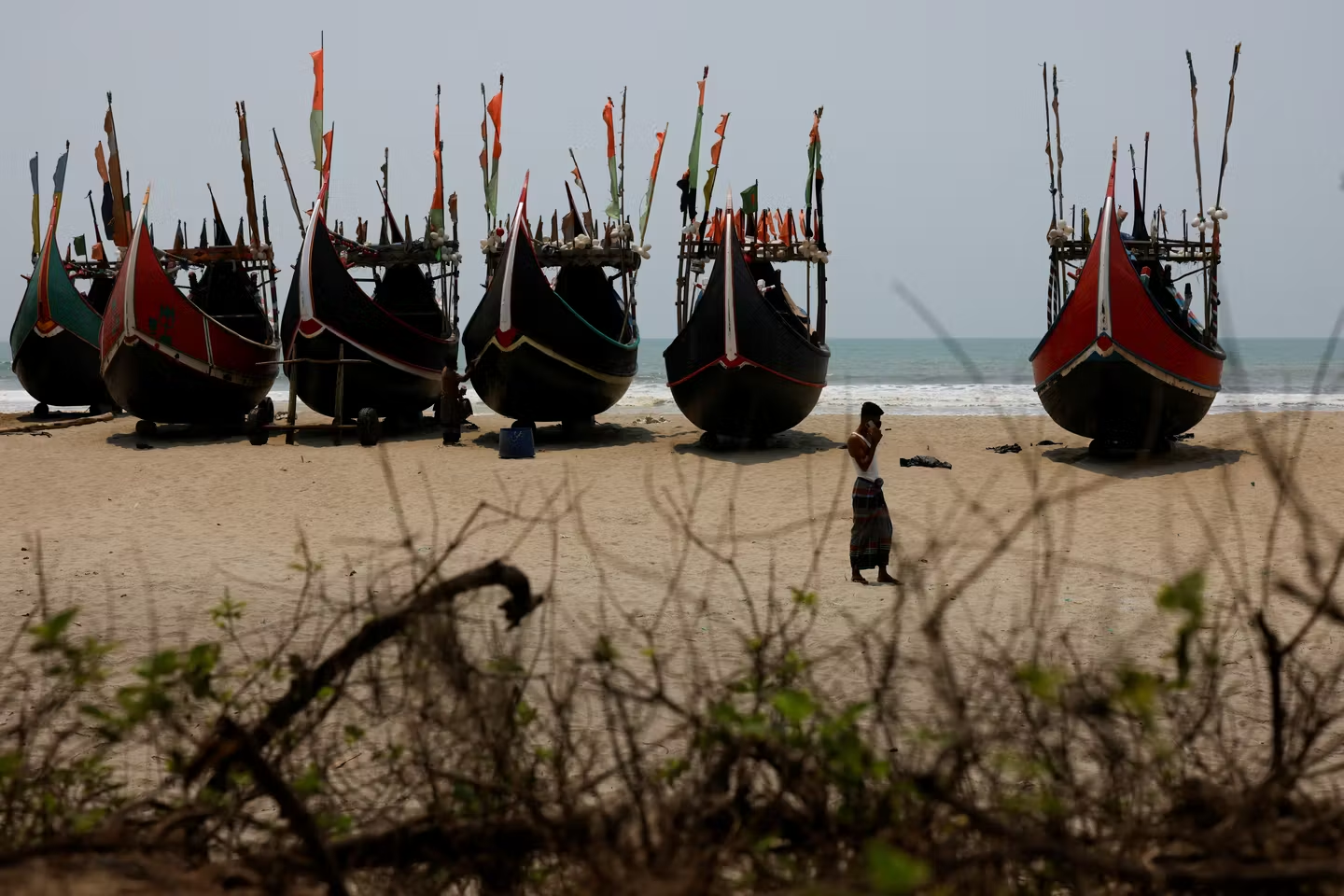
It was there, in Cox’s Bazar, at the southeastern tip of Bangladesh, that the two young Rohingya men met in 2017. Along with their families and some 750,000 members of this Muslim minority from northern Arakan State, now renamed Rakhine State, in western Myanmar, they had fled atrocities committed by the Myanmar military. The United Nations described those actions as “ethnic cleansing,” while the United States called them “genocide.”
“Mohammad was like a big brother,” continued Khan. “He knew how to lift our spirits and bring people together through conversation, listening, and laughter.” The 28-year-old, deeply involved in his community, especially with children, would warn against smugglers and traffickers who promise a better life and every year push thousands of Rohingya to undertake perilous journeys to Thailand, Malaysia or Indonesia.
You have 82.94% of this article left to read. The rest is for subscribers only.