-
By Cheng Chih-fang and Sam Garcia / Staff reporter, with staff writer
The Legislative Yuan’s Finance Committee yesterday approved proposed amendments to the Amusement Tax Act (娛樂稅法) that would abolish taxes on films, cultural activities and competitive sporting events, retaining the fee only for dance halls and golf courses.
The proposed changes would set the maximum tax rate for dance halls and golf courses at 50 and 20 percent respectively, with local governments authorized to suspend the levies.
Article 2 of the act says that “amusement tax shall be levied on tickets sold or fees charged by amusement places, facilities or activities” in six categories: “Cinema; professional singing, story-telling, dancing, circus, magic show, acrobatics show and night club performances; drama and musical performances, and amateur singing, dancing, etc; Skill competitions and contests; dance halls; and golf course and the like that provide facilities for the recreation or entertainment of others.”
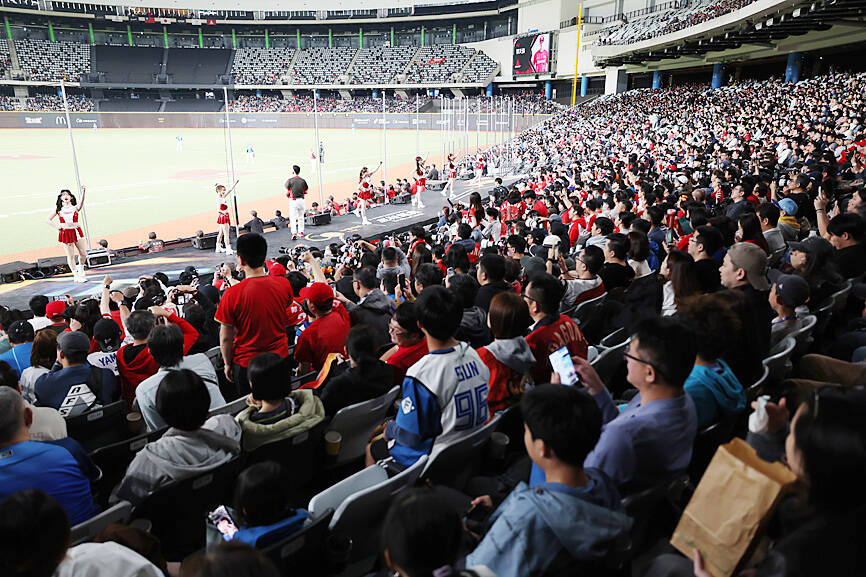
Photo: CNA
Article 4 of the act outlines exemptions from the tax for “amusement activities sponsored by educational, cultural, public interest, charity institutions or organizations deemed a public interest social organization or foundation,” activities where the total proceeds are used for disaster relief or military morale purposes and “cultural or amusement activities provided temporarily and free of charge for employees.”
The Executive Yuan proposed cutting the maximum tax rate by at least half for all of the categories except the one covering golf courses, as well as authorizing local governments to suspend taxes on arts, culture and sporting activities.
In its preliminary review, the Finance Committee yesterday approved abolishing the amusement tax for the first four categories and retaining it for the other two.
In addition, the maximum tax rate should not exceed 25 percent for venues, facilities or activities designated by the Ministry of Finance as providing amusement, the committee said.
It also approved authorizing local governments to suspend the collection of the taxes based on industrial development, policy needs and fiscal conditions.
Such suspensions must be approved by the local representative body, reported to the Ministry of Finance and specify a suspension period, it added.