SAN MARINO – Twenty years after the ratification of the UN Convention on the rights of persons with disabilities, the San Marino Commission for the Implementation of the UN Convention on the Rights of Persons with Disabilities (UN CSD) takes stock of its mandate, characterized by listening, discussion, in-depth analysis and proposal activities.
Over the years the Commission has worked on various areas: work inclusion, family caregiver, independent living and living project, affection and relationships, prevention of violence and abuse, training, social participation and citizenship.
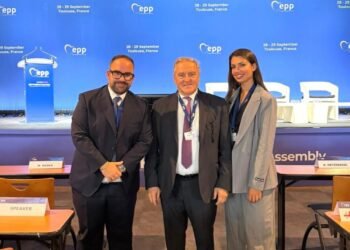
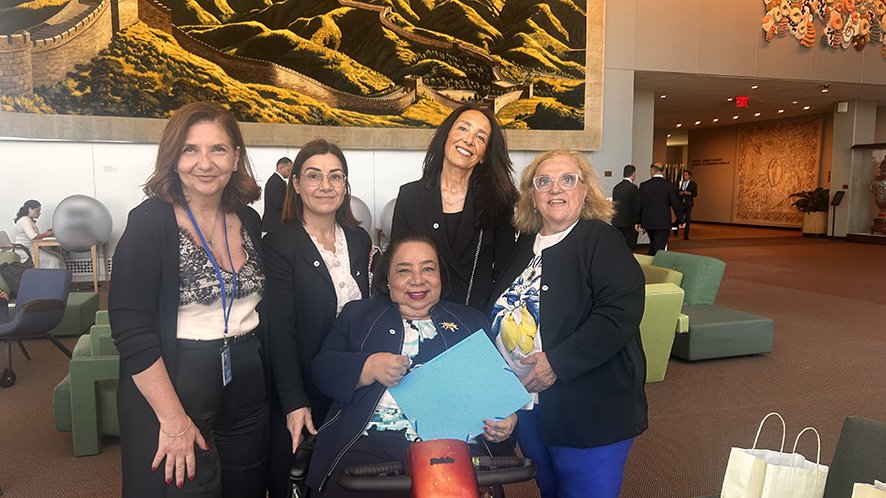
On an international level, the UN CSD participated in the 19th Conference of the States Parties to the UN Convention in New York, also starting a discussion with the UN Special Rapporteur on the rights of people with disabilities and inviting her to get to know the San Marino reality directly.
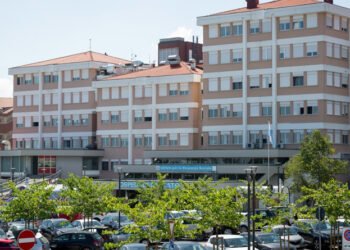
Among the initiatives promoted include the “The Power of Love” path, dedicated to affection and relationships, a weekend aimed at young people with disabilities, families, educators, teachers and volunteers and an awareness campaign on the prevention of violence and abuse, carried out through posters displayed at the State Hospital.
A significant part of the work concerned the examination of legislative provisions. Regarding the family caregiver, the Commission formulated proposals on training, support and moments of relief, while on the legislation for work inclusion it supported the involvement of both the public and private sectors, presenting observations on definitions, criteria and tools which were then accepted in the process of developing the legislation.
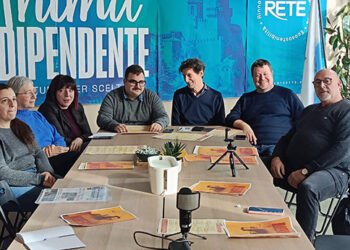
The UN CSD also highlights the role of associations, families and people with disabilities in decision-making processes. “Nothing about us without us” is indicated by the Commission not only as a slogan, but as a method of participation.
Among the future challenges, the life project is particularly indicated, with the aim of building paths based on the person’s abilities, desires and choices. The Commission looks favorably at the willingness of the new Secretariat of State for Health to start a discussion with associations, families and subjects involved and declares itself ready to make the work carried out and the proposals developed available.
Finally, the UN CSD reiterates its autonomy of evaluation, specifying that its role is not to replace politics, services or associations, but to contribute to ensuring that the rights of people with disabilities are considered in decision-making processes. “Being independent does not mean being neutral in the face of discrimination. It means being free to uphold rights”, states the Commission.