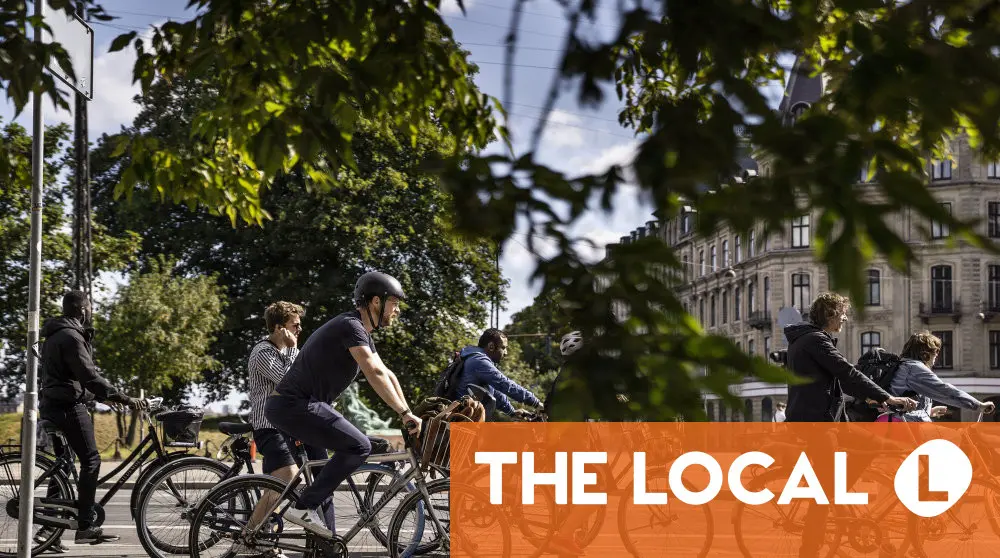
Authorities in Copenhagen have issued new rules and guidance for when visitors get on bikes in the capital as it emerged that eight out of ten Copenhagen cyclists believe tourists pose a safety problem on two wheels.
Many tourists want to experience Copenhagen by bike, but this often leads to problematic and even dangerous situations.
The reality is tourists are often inexperienced on two wheels and do not know the written and unwritten rules of Danish cycle lanes.
According to a study by Epinion for the Danish Road Safety Council in 2025 approximately eight out of ten local Copenhagen cyclists believe tourists pose a road safety problem.
As a result, the Council has now issued new advice to tourists.
“Copenhagen is known as a cycling city in the wider world, and it is also unique to experience the capital on two wheels,” said Jakob Bøving Arendt, CEO of the Danish Road Safety Council.
“Unfortunately, tourists are not used to the Copenhagen cycling culture and do not necessarily know the traffic laws, so we are providing good advice and knowledge about the most important rules at the points where they rent their bicycles,” he said.
Cyclists are encouraged to signal when stopping or turning, keep to the right on the cycle path, and cycle outside of rush hour in the morning and afternoon.
However, the Danish Road Safety Council has also made recommendations to local Copenhagen cyclists, who are no strangers to breaking the rules of the road.
A previous study among 18-40-year-old cyclists in the country’s five largest cities in Denmark revealed that almost half of cyclists break traffic rules one or more times on an average bike ride.
“Too many cyclists bend the rules when cycling in the city, and it is not only dangerous, but it also makes it difficult for tourists to understand the correct behavior if they see cyclists accustomed to breaking the rules at home,” said Jakob Bøving Arendt.
“Therefore, we would like to encourage all Copenhageners to lead by example and at the same time show a little extra consideration during the tourist season.”