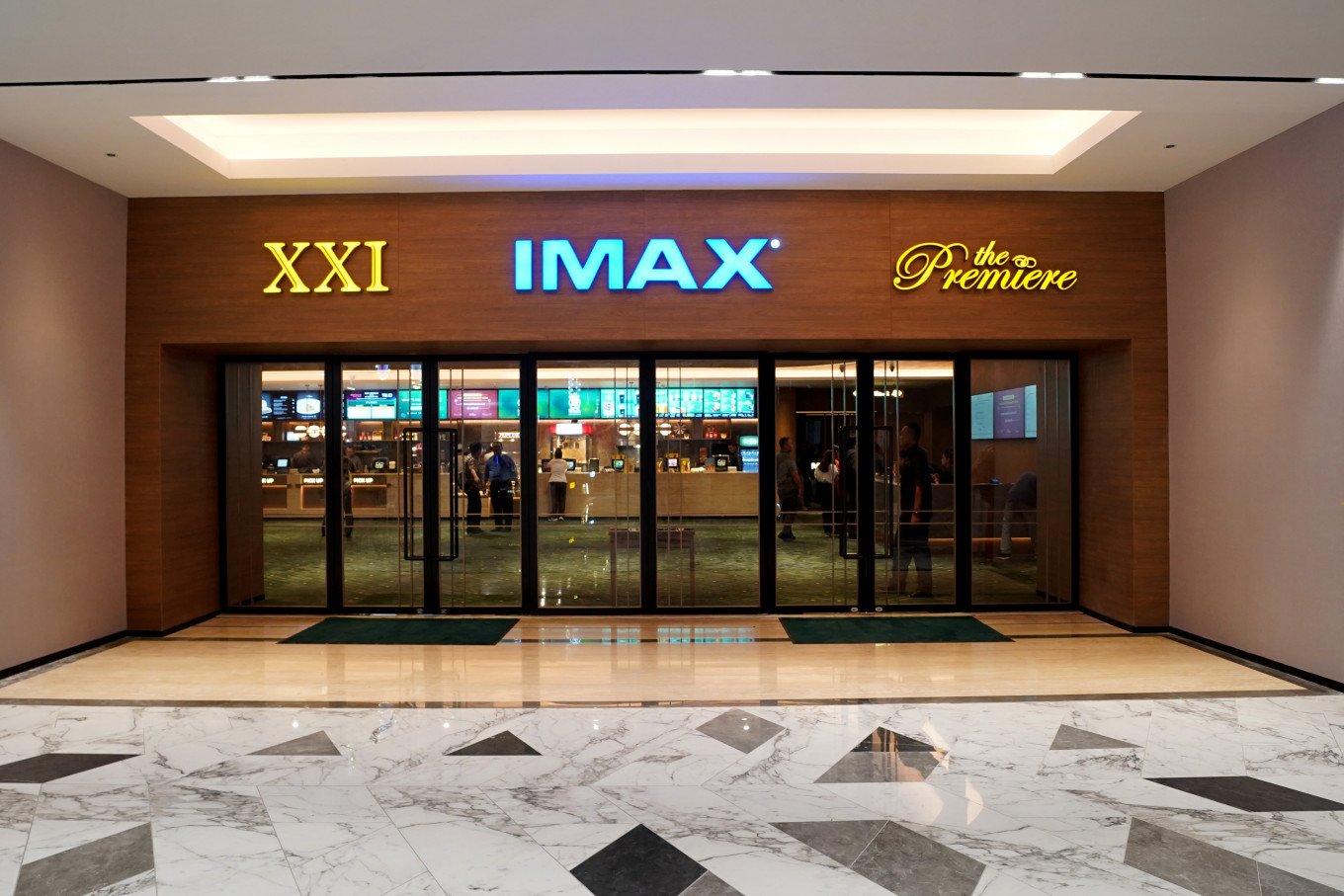
mid growing concerns that a handful of foreign movies and blockbuster genres are crowding out local alternative films, lawmakers have floated the idea of introducing minimum screen quotas to ensure movies get guaranteed time in cinemas.
The proposal, however, has sparked debate within the industry, with players split over whether it would strengthen the sector or distort competition. While some warn it could burden exhibitors, smaller producers argue that a quota system could give high-quality independent films a fairer shot at reaching audiences.
During a hearing with industry players on Wednesday, House of Representatives Commission VII, which oversees industry, the creative economy, tourism and media, raised a plan of mandating screening quotas for local films to make them more competitive against foreign movies.
“Is it possible to set mandatory screening quotas for national films? We as lawmakers want to push for this kind of support to ensure local films are not left behind by market mechanisms alone,” said Samuel Wattimena of the Indonesian Democratic Party of Struggle (PDI-P).
Manoj Punjabi, chairman of major production house MD Entertainment, responded that the current system, largely dictated by market demand, is working just fine, with films that draw audiences remain in cinemas longer and underperforming titles are quickly replaced.
“A screen quota [policy] would end up cannibalizing local players. It is no longer a competition between foreign and local films, since local titles have already won [over audiences],” he told the lawmakers.

Every Monday
He pointed to South Korea, where screen quotas were introduced to protect local films by mandating a minimum number of screening days per year, but now being reconsidered as the industry currently faces a downturn.